 Seattle
 Exterior Work Built for Capitol Hill's Housing Stock
Capitol Hill is one of Seattle's older, denser neighborhoods, and that shows in the exteriors. You'll find early-1900s craftsman and foursquare homes sitting shoulder to shoulder with brick apartment buildings, mid-century infill, and newer townhomes squeezed onto narrow lots. That mix means no two exterior jobs here look the same. A century-old house with original wood trim needs a different approach than a 1980s remodel with vinyl siding that's finally reached the end of its life. Our crew has worked across that range, and we plan every job around what the specific house actually needs, not a one-size-fits-all package.
The neighborhood's density also changes how we work. Narrow setbacks, shared driveways, street parking, and close neighbors mean job site logistics matter as much as the technical work. We plan material staging, dumpster placement, and daily cleanup with those constraints in mind so a project doesn't become a headache for the block.
What Seattle's Climate Does to a Capitol Hill Exterior
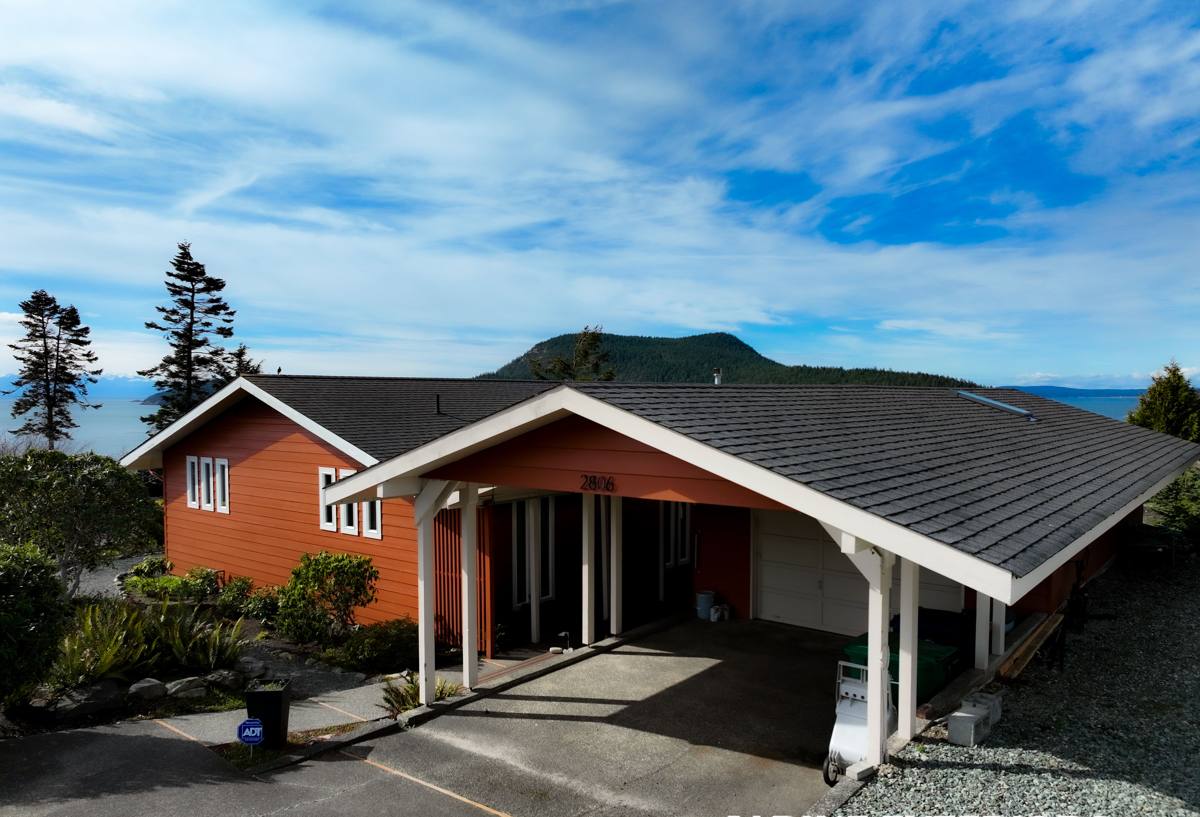
Seattle sits close enough to Puget Sound that homes throughout the city, including Capitol Hill, deal with a low but real amount of salt-laden air moving in off the water, on top of the steady, driving rain King County is known for. It's not coastal-level salt exposure, but combined with months of damp, low-sun conditions, it adds up over the life of a building's exterior.
A few specific issues show up again and again on homes in this part of the city:
- Moss and algae growth on north-facing walls, roof slopes, and anywhere shade and moisture linger for weeks at a time
- Wood siding and trim rot where paint has failed and water has found a way behind the surface, especially on older homes with original wood details
- Window seal failure and fogging from decades of temperature swings and constant moisture cycling
- Deck surface breakdown — cupping, splitting, and slick, moss-covered boards that become a fall hazard in the wet months
- Gutter and roof-edge staining or wear from near-constant runoff during the long rainy season
None of this is dramatic storm damage. It's slow, cumulative wear from a climate that rarely gives an exterior a real chance to dry out. That's why the products and installation details matter more here than they would in a drier climate — a marginal choice today becomes an expensive repair in five or ten years.
Why Moss Season Isn't Just Cosmetic
Moss on a roof or siding looks like a maintenance nuisance, but it's doing real damage while it sits there. Moss holds moisture directly against the surface underneath it, which is exactly the opposite of what you want on wood trim, roofing material, or siding seams. On roofs, moss can lift shingles and create channels for water to work under the roofing system. On siding, it keeps painted or coated surfaces wet far longer than they'd otherwise stay, accelerating whatever breakdown is already happening underneath.
Siding: Why We Only Install James Hardie
We install James Hardie fiber cement siding exclusively. We don't install vinyl, LP SmartSide, Cemplank, Allura, primed spruce, or cedar siding, and that's a deliberate standard, not a limitation in what we're capable of installing. Here's the honest reasoning behind it, specifically as it applies to a climate like Seattle's.
What Those Other Products Get Right
Vinyl is inexpensive and low-maintenance in dry climates. Wood siding, whether cedar or primed spruce, has genuine visual warmth that some homeowners want and that fiber cement mimics but doesn't fully replicate. Engineered wood products like LP SmartSide close some of the durability gap wood has historically had. These aren't bad products in the abstract — they're just not what we've chosen to stand behind.
Why We Don't Install Them Here
| Product | Trade-off in Seattle's climate |
|---|---|
| Vinyl siding | Can warp or become brittle with temperature swings; seams are a moisture entry point in constant rain; limited color depth and no factory-baked finish |
| Cedar / primed spruce | Needs ongoing paint and sealant maintenance to resist rot; the region's moisture and moss exposure shortens the maintenance interval significantly |
| LP SmartSide | An engineered wood product — better than raw wood, but still wood-based and dependent on unbroken caulking and paint to keep moisture out long-term |
| Cemplank / Allura | Fiber cement alternatives to Hardie; differences in finish warranty terms and factory coating process are the main reasons we standardized on one brand |
The common thread is moisture. In a climate with as much sustained rain and shaded, slow-drying wall area as Seattle has, a siding product's long-term performance depends heavily on how it handles water at the seams, behind the surface, and under prolonged damp conditions. That's the exact scenario James Hardie's fiber cement formulation and ColorPlus factory finish are engineered for.
Why James Hardie
Fiber cement doesn't rot, and it doesn't feed moss or mildew growth the way raw or painted wood surfaces can. James Hardie's ColorPlus finish is baked on at the factory under controlled conditions, rather than field-painted, which gives it more consistent coverage and a longer color life than a site-applied paint job. Hardie also engineers regional product lines (HZ5 for this climate zone) specifically for wet, variable-weather regions like the Pacific Northwest. It's non-combustible, which matters for wildfire-adjacent insurance considerations even in an urban neighborhood like Capitol Hill, and it carries a strong transferable warranty when installed to manufacturer spec. That last part is the catch worth being honest about: fiber cement's performance is installation-sensitive. Done right, it holds up for decades. Done wrong — bad flashing, wrong fastener pattern, sealant in the wrong places — any siding product will fail early, Hardie included. That's why correct installation is the actual product we're selling, not just the material.
Roofing for a Wet, Moss-Prone Neighborhood
Roof work in Capitol Hill is shaped by the same moisture and moss pressure as siding. We look at ventilation, underlayment condition, and flashing details around chimneys, skylights, and roof-wall intersections, since those transition points are where slow leaks usually start on older homes in this neighborhood. Moss removal and prevention treatment are part of a healthy maintenance routine here, not a one-time fix — shaded roof sections will keep growing moss as long as the shade and moisture are there.
Windows: Sealing Out Seattle's Rain
Older Capitol Hill homes often still have original or early-replacement windows with seals that have given out over the decades. Fogging between panes, drafts, and soft trim around window openings are the common signs. When we replace windows, proper flashing and sealing at the rough opening matter as much as the window unit itself — a good window installed with poor flashing will still let water into the wall cavity over time in a climate this wet.
Decks: Built to Handle Standing Water and Shade
Decks on shaded, tree-lined Capitol Hill lots deal with two problems at once: they rarely get enough sun to dry out fully between rain events, and falling leaves and debris trap moisture against the deck surface. That combination accelerates rot in wood decking and makes surfaces slippery with algae and moss. We evaluate structural framing, ledger board attachment, and drainage as part of any deck project, since a deck that looks fine on the surface can have moisture damage building underneath it.
Why a Local Crew Matters
A contractor based in and around Seattle understands which wall orientations in a Capitol Hill neighborhood stay damp longest, how the city's older housing stock was typically built, and what permitting and inspection look like in King County. That local knowledge shapes real decisions — where to expect hidden rot on a house of a certain age, which product lines are actually rated for this climate zone, and how to sequence a job around the region's rainy stretches rather than fighting them.
What to Expect From an Estimate
- An in-person walk-around of the exterior, not just a driveway assessment
- An honest read on what's cosmetic versus what's a real moisture or structural concern
- Clear explanation of material options and why we recommend what we recommend
- A written estimate with no pressure to sign on the spot
- A realistic timeline that accounts for Seattle's weather patterns
Get a Local, No-Pressure Estimate
If your Capitol Hill home is showing signs of moss buildup, worn siding, an aging roof, or a deck that's seen better days, we're happy to take a look and give you a straightforward assessment. Use the form below to request a free estimate — no obligation, no high-pressure sales pitch, just an honest read on what your home actually needs.