 Seattle
 Capitol Hill's Climate Is Harder on Siding Than It Looks
Capitol Hill sits close enough to Puget Sound to catch salt-tinged air, and like the rest of Seattle it goes through a long, wet stretch of the year where driving rain comes at siding sideways, not just from above. Add in the mature tree canopy that shades many blocks in the neighborhood, and you get an extended moss and algae season that can run from fall well into spring. None of this is dramatic on its own, but it's relentless, and siding that isn't built or installed for it shows the wear years before it should.
Wood-based products absorb that moisture cycle after cycle. Paint films crack and let water behind them. Caulk joints open up. Over time, moisture finds its way to the wall sheathing underneath, and that's when a cosmetic problem turns into a structural one. In King County's marine climate, siding isn't just an appearance choice — it's the first line of defense for the whole wall assembly, and it has to actually perform, not just look good on install day.
What Capitol Hill's Housing Stock Means for a Siding Job
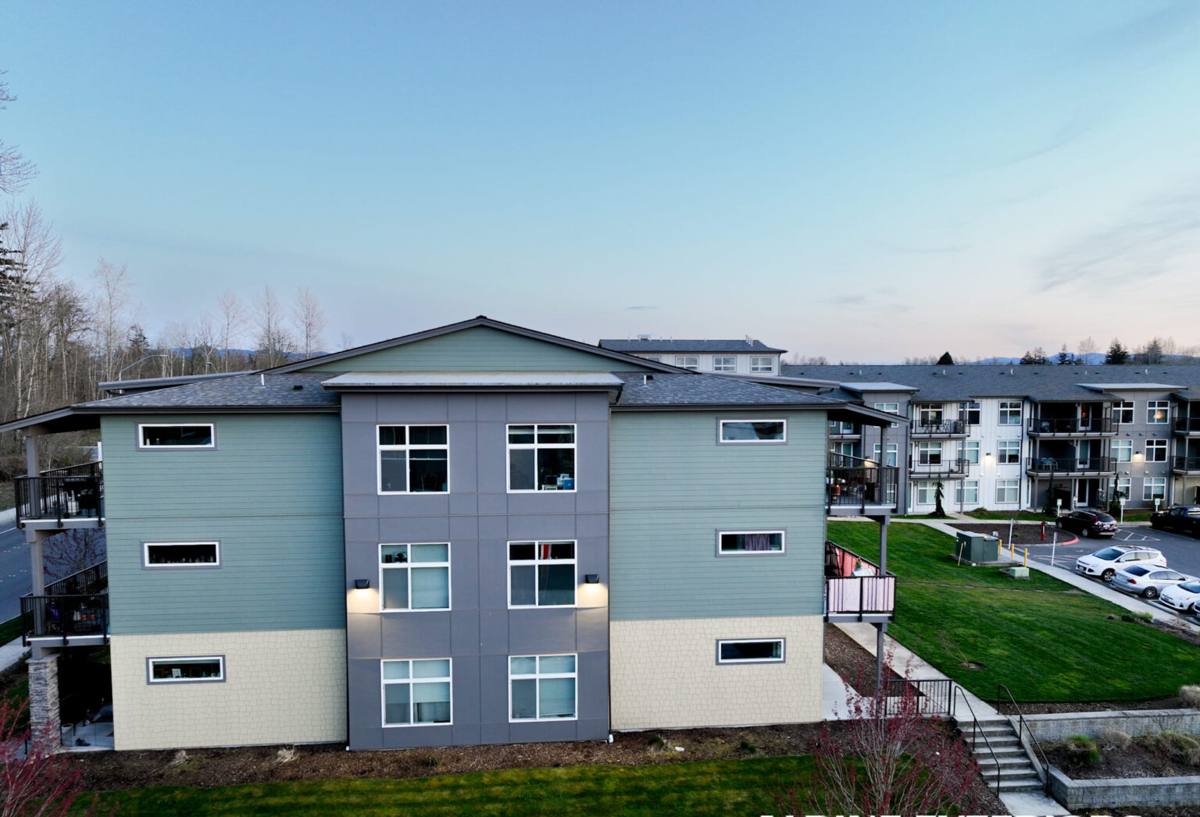
Capitol Hill has one of Seattle's older and more varied housing stocks — a mix of early-1900s Craftsman and Victorian-era homes, multi-story buildings, and additions or remodels layered on over the decades. That variety matters for a siding replacement. Older wall assemblies were often built without the moisture barriers and drainage details modern building science calls for, and additions sometimes tie into original framing in ways that aren't obvious until the old siding comes off.
Lots in this neighborhood also tend to be tighter than in newer, more suburban parts of the city — homes set close to their neighbors, limited driveway or alley access, and less staging room than a crew might have on a larger lot. A siding crew that hasn't worked this kind of density before will underestimate scheduling, material staging, and how much care it takes to keep a job site tidy when there's very little room to spread out.
Signs Your Siding Has Reached the End of Its Life
Not every siding problem means a full replacement, but certain signs mean patching is just delaying the inevitable:
- Boards that are cracked, buckled, or visibly bowing away from the wall
- Soft or spongy spots when you press on the siding, especially near the bottom courses
- Paint that won't hold — chalking, peeling, or bubbling within a year or two of a repaint
- Persistent moss, algae, or dark streaking that comes back no matter how often it's cleaned
- Gaps opening up at trim, corners, or seams that weren't there a few years ago
- Rising heating bills that point to air and moisture getting through the wall, not just the siding surface
If you're seeing more than one or two of these, it's worth having someone look at the sheathing underneath before deciding whether repair or replacement makes sense.
Why We Install Only James Hardie Fiber Cement
We standardized on James Hardie fiber cement siding and don't install vinyl, LP SmartSide, or other engineered wood or fiber cement alternatives. That's a deliberate call, not a default. Fiber cement is non-combustible, which matters increasingly to insurers and homeowners alike. It's factory-finished with Hardie's ColorPlus coating, which holds color and resists the fading and chalking that field-applied paint struggles with in a climate this wet. And Hardie engineers its HZ product lines by climate zone, so what goes on a home here in the Pacific Northwest is built for our rain and humidity pattern specifically, not a one-size-fits-all national spec.
It also comes with a strong, transferable manufacturer warranty — but that warranty is only as good as the installation behind it. Fiber cement is less forgiving of shortcuts than some other materials; get the fastening, clearances, or joint treatment wrong and you create the exact moisture problems the product is designed to prevent. That's why installation quality matters as much as the material choice.
How It Compares to Other Common Options
| Material | Moisture Performance | Maintenance | Typical Lifespan |
|---|---|---|---|
| James Hardie fiber cement | Excellent when installed to spec; non-combustible, dimensionally stable | Low — factory finish, occasional wash | 30+ years with proper install |
| Vinyl | Can warp, crack in cold snaps, and trap moisture behind panels if not vented properly | Low, but color fades and can't be repainted easily | 20–30 years, variable |
| Cedar / wood | Attractive but absorbs moisture; needs a sound finish to hold up in this climate | High — regular refinishing or staining | 15–25 years depending on upkeep |
| Engineered wood (LP-type) | Improved over older wood products, but still moisture-sensitive at cut edges and seams | Moderate — finish maintenance and edge sealing | 20–30 years, install-dependent |
Every one of these materials has homes where it performs fine. Our decision to install only Hardie comes down to wanting one product we can stand behind fully, in a climate that doesn't give bad installs or wrong material choices anywhere to hide.
What a Correct Siding Replacement Actually Involves
A siding replacement done right is mostly about what happens before the new siding ever gets nailed up.
Tear-Off and Inspection
We pull the old siding rather than covering over it. That's the only way to actually see the sheathing and framing underneath — and on a lot of Capitol Hill's older homes, that inspection turns up rot, old moisture damage, or outdated flashing details that need to be corrected before anything new goes on. Covering over a problem wall just hides it for a few more years.
Weather-Resistive Barrier and Flashing
A proper weather-resistive barrier goes over the sheathing, with flashing integrated correctly at every window, door, and penetration. In a climate that gets driving rain as often as ours does, flashing details are where most long-term leaks originate — not the siding field itself.
Installation to Manufacturer Spec
James Hardie publishes specific fastening patterns, clearances from grade, roof lines, and decks, and joint treatment requirements. Following those isn't optional if you want the product to perform — or if you want the warranty to actually mean something if you ever need it.
Our Process for Capitol Hill Siding Projects
- On-site inspection and consultation — we look at the current siding, the sheathing where accessible, and the specific challenges of the lot and structure
- A written estimate covering scope, material, and any sheathing or framing repair we expect to encounter
- Material and color selection from James Hardie's plank, panel, and trim lines
- Scheduling that accounts for the tighter access and parking realities common on Capitol Hill's blocks
- Full tear-off, sheathing repair as needed, and installation of the weather barrier, flashing, and new siding to spec
- Final walkthrough, cleanup, and warranty paperwork
What to Look for When Hiring a Contractor in a Dense Urban Neighborhood
- Licensed and insured to work in Washington, with proof you can verify
- Manufacturer training or certification on the specific siding product being installed
- Willingness to show you the sheathing before it's covered, not just the finished exterior
- A written scope that spells out tear-off, repair allowances, and what happens if rot is found
- A realistic plan for job site access, material staging, and keeping the work area tidy on a tight lot
- Clear, written warranty terms — both the manufacturer's and the installer's own labor warranty
Cost Factors to Expect
Every siding job is priced around a handful of variables, and it's worth understanding them before you get quotes so you can compare them on equal footing:
- Total square footage of siding and the height/complexity of the walls
- How much sheathing or framing repair is needed once the old siding comes off
- Trim complexity — corner boards, window and door casing, and architectural detailing common on older homes
- Site access — narrow lots, limited parking, and proximity to neighboring structures can add time
- Siding profile and finish selected within the Hardie product line
Costs for a full siding replacement can range widely, from the low five figures for a smaller, straightforward home to well beyond that for larger homes or ones needing significant structural repair. The only way to get a real number is a walk-through of your specific home.
Why Local Experience on Capitol Hill Matters
A crew that regularly works this neighborhood already knows what to expect from its older wall assemblies, its tighter lots, and its weather exposure. That translates into fewer surprises mid-project, more accurate quotes up front, and an installation that accounts for the way Seattle's climate actually behaves over a Pacific Northwest winter — not a generic install that happens to have been done in this city.
If your Capitol Hill home's siding is showing its age, we're happy to take a look and give you a straightforward, no-pressure assessment of what it needs. Fill out the form below to schedule a free estimate.