 Seattle
 Exterior Work in Ravenna, Seattle
Ravenna is one of Seattle's older, tree-heavy neighborhoods, and that combination shows up on the outside of its houses. Mature street trees and yard canopy that make the area pleasant to live in also mean shade, dampness, and organic debris sitting against roofs, siding, and trim for most of the year. Add in the long, wet stretch of King County's marine climate — driving rain off the Sound, humidity that lingers under the tree cover, and a moss season that can run eight months or more — and you get exteriors that work harder than they do in drier parts of the country.
We're a Seattle-based exterior contractor, and Ravenna is squarely inside our regular service area. We handle siding, roofing, windows, and decks, and we've built our approach around what actually holds up under this specific weather pattern rather than what looks good on a spec sheet in a different climate.
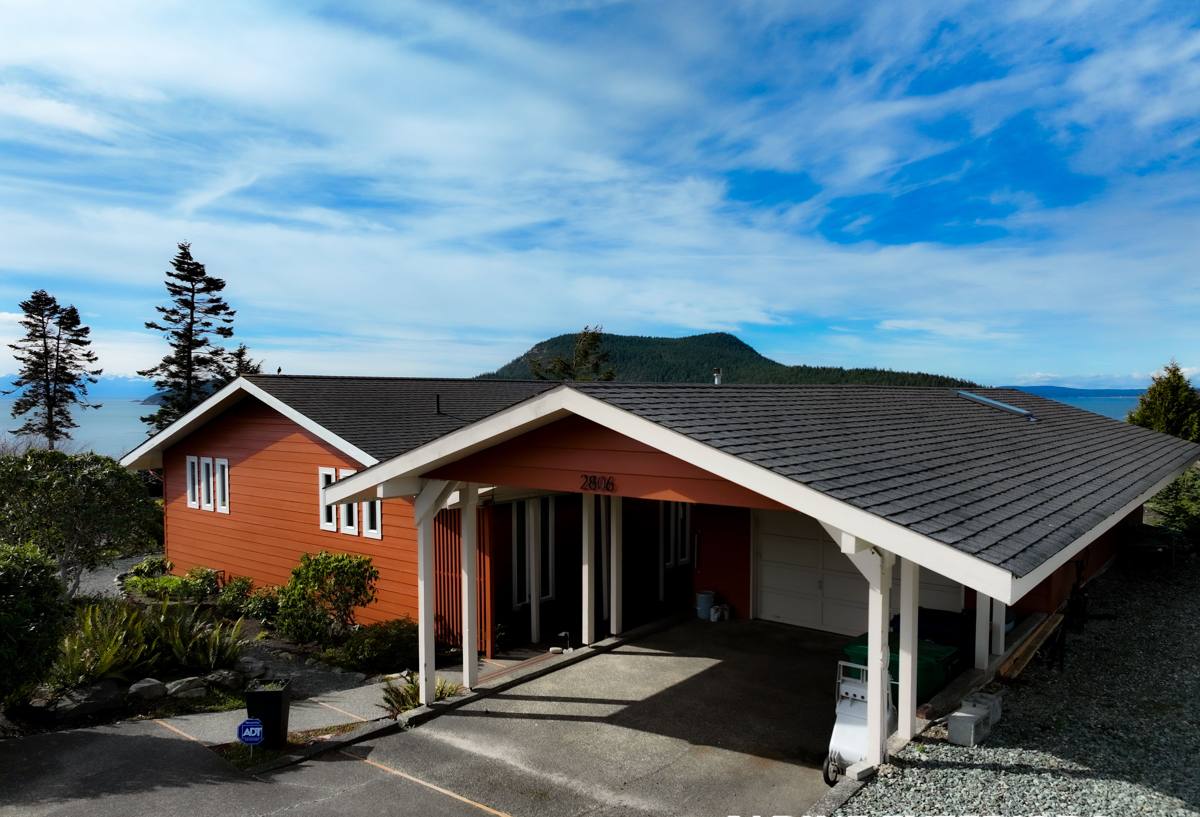
What the Climate Does to Ravenna Homes
The Pacific Northwest doesn't hit houses with extreme heat or hard freezes very often. Instead, it wears them down slowly, through moisture that never fully goes away for months at a time. In a shaded, tree-lined neighborhood like Ravenna, that effect is amplified:
- Shaded roof and siding sections stay damp longer after rain, which is exactly what moss, algae, and mildew need to establish
- Gutters and valleys collect leaves and needles that trap water against roofing material
- North-facing walls and areas under eaves rarely get direct sun to dry out between storms
- Driving rain, common with Puget Sound storm systems, pushes water sideways into seams, joints, and poorly sealed trim
- Constant humidity swells wood-based products, then dries and shrinks them, over and over, season after season
None of this is dramatic on any single day. It's cumulative. A roof or siding system that's marginal in a dry climate can fail years earlier here simply because it never gets a real break from moisture.
Siding in Ravenna: Why We Install Only James Hardie
We install James Hardie fiber cement siding exclusively. We don't install vinyl, LP SmartSide, primed spruce, cedar, or other fiber cement brands like Cemplank or Allura. That's a deliberate standard, not a lack of options.
The problem with the alternatives, in this climate specifically
Vinyl siding is inexpensive and low-maintenance in the sense that it doesn't need painting, but it's a petroleum-based product that expands and contracts with temperature swings, can crack in cold snaps, and doesn't offer much of a moisture barrier at seams — a real issue given how much driving rain this area sees. Wood-based engineered siding like LP SmartSide performs reasonably when detailed and maintained perfectly, but any breach in the factory coating lets moisture into the wood-strand substrate, and in a climate where surfaces stay wet for days at a stretch, that margin for error is thin. Cedar and primed spruce are honest, attractive materials, but they're organic — they're the thing moss, mildew, and rot are adapted to feed on, and they demand a maintenance schedule (painting, sealing, inspecting) that most homeowners don't keep up with for 20+ years straight.
What Hardie gets right for a Ravenna house
James Hardie fiber cement is non-combustible and dimensionally stable — it doesn't swell and shrink with humidity the way wood-based products do, which matters when a house sits under tree cover that keeps moisture around longer. The ColorPlus factory finish is baked on under controlled conditions and backed by its own finish warranty, so you're not relying on a field paint job to hold up against years of Seattle rain. Hardie's HZ5 product line is engineered specifically for climates like ours, with moisture and freeze-thaw performance built into the formulation rather than added after the fact. It's also a proven, long-track-record product at this point — installed correctly, it's not an experiment.
We say "installed correctly" because Hardie's own warranty terms are tied to proper installation — correct clearances, fastening, and caulking. That's the other half of why we standardize on one product: we know its installation requirements cold, rather than juggling install specs across five different brands.
Roofing Under Ravenna's Tree Canopy
Roofs in tree-heavy neighborhoods age differently than roofs on open lots. The material itself often isn't the limiting factor — moss and debris management is. Moss holds moisture against shingles, lifts edges over time, and works its way into valleys and gutters. Left unaddressed, it shortens the life of an otherwise sound roof by years.
When we look at a roof in this area, we're paying attention to:
- Moss and algae growth, especially on north-facing and shaded slopes
- Gutter and valley debris buildup from overhanging trees
- Flashing condition around chimneys, skylights, and roof-wall intersections, where driving rain finds gaps first
- Ventilation, since trapped attic moisture compounds everything else going on outside
Replacement is sometimes the right call, but a lot of roofs in Ravenna just need proper moss treatment, gutter work, and flashing repair to get years of additional life out of them. We'll tell you honestly which situation you're in.
Windows: Comfort and Moisture Control
Older Ravenna homes frequently still have original or early-replacement windows that have outlived their seals. In a climate defined by persistent damp rather than temperature extremes, the practical issues homeowners notice are condensation between panes, drafts around frames, and difficulty keeping a consistent indoor temperature through the wet months. Replacement windows with modern seals and appropriate glazing address both the moisture intrusion risk at the frame and the comfort/efficiency side of things. Window work is also a natural pairing with a siding project, since both involve the same building envelope and flashing details around openings.
Decks in a Wet, Shaded Climate
Decks take a specific kind of abuse in this region: standing water on horizontal surfaces, shaded areas that never fully dry, and moss and algae that make boards slick as much as they make them ugly. Ledger board connections and any spot where a deck meets the house siding are the areas we scrutinize most, since that's where water intrusion does the most hidden damage over time. Whether a deck needs rebuilding or just better drainage detailing and material choices depends on its age and how it was originally built — we'll assess that honestly rather than defaulting to a full rebuild.
Why a Local Crew Matters Here
Exterior work in Seattle isn't generic exterior work. A crew that mostly works in drier climates will make different assumptions about flashing, ventilation, and moisture clearances than a crew that works in King County year-round. We size jobs, sequence work, and detail moisture-prone areas around the fact that this region gets sustained rain, not occasional storms — and around the reality that a shaded, tree-lined neighborhood like Ravenna holds onto moisture longer than an open subdivision would.
There's also the practical side: being local means we can respond quickly if something needs a follow-up look, and we're building a reputation in the same neighborhoods we work in, not moving through on a one-time regional push.
What Affects Your Project Cost
Every house is different, but the cost drivers on most Ravenna exterior projects fall into similar categories:
| Factor | Why It Matters |
|---|---|
| Home size and story count | More surface area and access complexity (ladders, lifts) directly affects labor |
| Existing siding or roofing removal | Tear-off of old material, especially if there's hidden moisture damage, adds time |
| Substrate condition | Rotted sheathing or framing found once old material comes off needs repair before new material goes on |
| Trim and detail complexity | Craftsman-era homes often have more architectural detail than a simple box, which adds labor |
| Tree and access constraints | Mature landscaping can limit staging area and require extra care or protection |
| Material selection | Hardie board profiles, colors, and trim options vary in price |
We give real numbers after we've actually looked at the house — anything else is a guess.
What to Expect When You Call Us
Our process is straightforward and doesn't involve high-pressure sales tactics:
- A walk-around of your home to assess current siding, roofing, windows, or deck condition
- An honest read on what's failing versus what's cosmetic
- A written estimate with real material and labor line items, not a vague lump sum
- A clear explanation of why we're recommending James Hardie where siding is involved, and what it will and won't cost you over time compared to alternatives
- A realistic project timeline that accounts for Seattle's weather windows
If you're in Ravenna and dealing with moss buildup, a tired roof, drafty original windows, or siding that's past its useful life, we'd rather take a look and give you a straight answer than have you guess. Reach out for a free, no-pressure estimate — the form below gets you started.