 Seattle
 A Neighborhood Built on Wind and Water
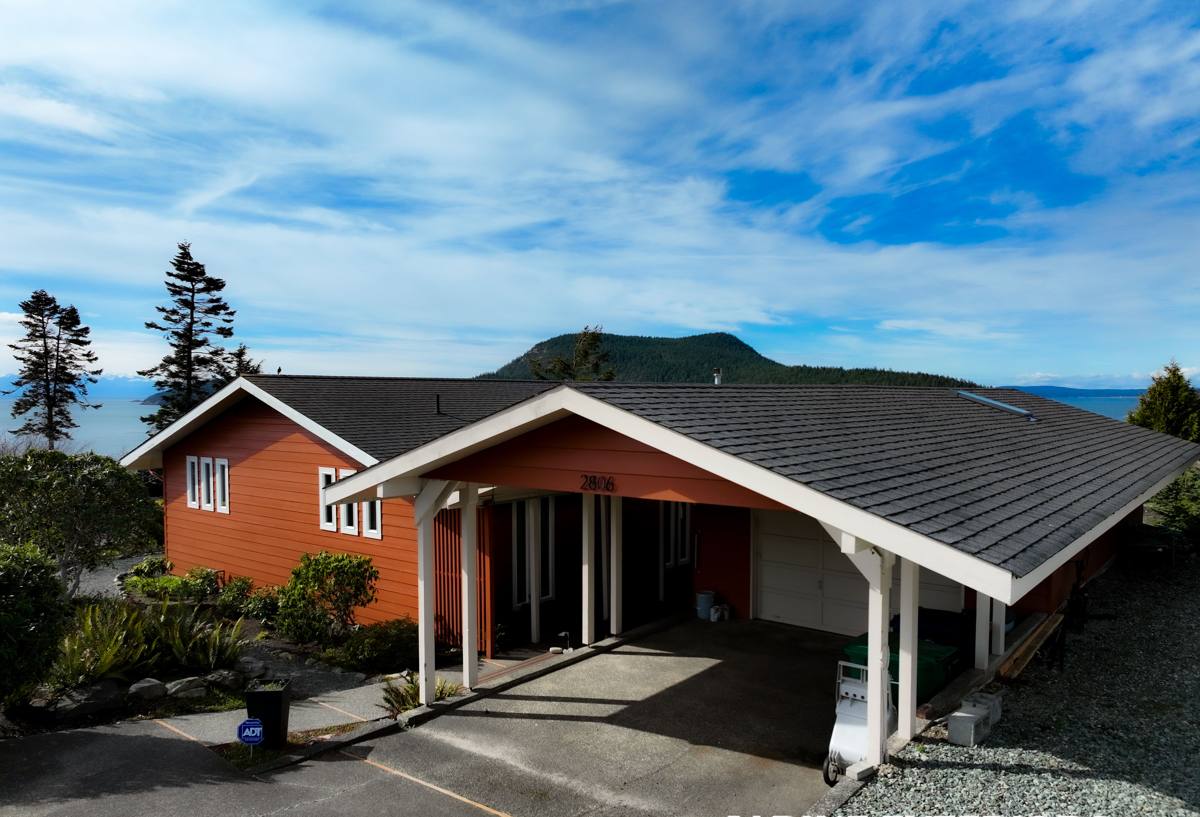
Magnolia sits on a bluff surrounded on three sides by water — Puget Sound to the west, Elliott Bay to the south, Salmon Bay and the Ship Canal to the east. That geography is a big part of why people love living there, and it's also exactly why exteriors in Magnolia take more of a beating than homes just a few miles inland in Seattle. Elevated, exposed lots get wind off the Sound that inland King County neighborhoods rarely see, and that wind carries moisture and salt air onto siding, trim, roofing, and window frames year-round.
Add in mature tree canopy in pockets of the neighborhood near Discovery Park and along the bluffs, and you get the second half of the equation: shade, dampness, and a moss season that runs long even by Seattle standards. Homes here don't fail because owners neglect them — they fail because generic exterior materials and generic installation weren't specified for this particular combination of exposure and shade. We work Magnolia regularly enough to know which sides of a house take the worst of it and which details tend to go first.
What the Local Climate Actually Does to a House
Salt Air and Driving Rain
Salt-laden air accelerates corrosion on fasteners, flashing, and any metal component that isn't rated for a marine-adjacent environment. Combined with wind-driven rain that gets pushed sideways into wall assemblies rather than falling straight down, this is one of the more demanding micro-climates in the greater Seattle area. Materials and installation details that are "good enough" in a sheltered inland yard can underperform on an exposed Magnolia lot.
Long Moss Season
Western Washington's wet season already runs from fall through spring, but shaded lots near tree lines hold moisture longer after every rain. That extended damp window is what lets moss, algae, and lichen establish on roofing, siding, and deck surfaces. Once established, moss holds water against the material underneath it, which is a slow but real threat to anything that isn't inherently moisture-resistant.
Temperature Swings and UV
Seattle doesn't get extreme heat, but exteriors still cycle through freeze-thaw in winter and UV exposure in summer on south- and west-facing walls. Materials that expand, contract, or absorb moisture with these cycles are the ones that crack, cup, or delaminate over a 10-15 year span — long before a well-built exterior should show real wear.
Siding: Why We Only Install James Hardie Fiber Cement
We install James Hardie fiber cement siding exclusively. We don't offer vinyl, LP SmartSide, Cemplank, Allura, primed spruce, or raw cedar as options — not because those products don't have a place in the market, but because we've made a professional decision about what we're willing to put our name behind on a Puget Sound exterior, especially on exposed sites like Magnolia's bluffs.
The reasoning, briefly
- Moisture behavior: Fiber cement doesn't absorb and swell the way wood-based products can, which matters directly on a lot that holds moisture longer under tree cover.
- Non-combustible core: Hardie's cement composition doesn't burn, which is a meaningful difference from wood-based or vinyl products regardless of wildfire risk profile.
- Factory-applied finish: ColorPlus finish is baked on under controlled conditions, rather than site-painted, which holds up better against UV and salt air than field-applied paint typically does.
- Climate-specific engineering: Hardie's HZ5 product line is formulated for the Pacific Northwest's wet, freeze-thaw climate, not a one-size-fits-all national spec.
- Warranty structure: A strong, transferable manufacturer warranty backs the material — an important detail if a Magnolia home changes hands, which happens often in this market.
None of this means other siding products are without merit — vinyl is inexpensive, LP SmartSide is engineered wood with its own strengths, and cedar has real aesthetic appeal. But when we weigh maintenance burden, moisture performance, and long-term cost against a marine-influenced, shaded, wet climate, Hardie fiber cement is what we're comfortable standing behind. If a homeowner wants a different product installed, we're honest that it's simply not something we offer.
Roofing
Roofing in Magnolia deals with the same moss and moisture pressures as siding, plus direct exposure to wind-driven rain at ridges, valleys, and any roof-to-wall transition. Correct roofing work here isn't just about the field material — it's about flashing details, underlayment quality, and ventilation that lets a roof deck dry out between storms instead of staying damp for weeks at a time. We evaluate the whole roof system, not just the shingles or panels on top of it, because a roof that traps moisture underneath will fail from the inside regardless of what's visible from the street.
Windows
Window failure in this climate is almost always a seal and flashing story, not a glass story. Wind-driven rain finds any gap in a window's integration with the wall assembly, and once water gets behind a window frame it can sit there for a long time in a shaded, damp yard. When we replace windows, the flashing and integration with the surrounding siding is where the real work — and the real protection — happens. We also pay attention to how a new window's trim details tie into Hardie siding and trim so the whole assembly sheds water the way it's supposed to.
Decks
A deck on an exposed Magnolia lot deals with the same driving rain and moss pressure as the rest of the exterior, plus standing water risk if drainage and board spacing aren't handled correctly. Ledger board flashing where a deck meets the house is one of the most common failure points we see — it's a small detail that, done wrong, lets water into the wall framing behind it. We build and repair decks with drainage, proper fastener selection for a salt-air environment, and ledger flashing as non-negotiable basics, not upgrades.
Why a Local Crew Matters Here
Magnolia isn't a generic Seattle neighborhood on a spec sheet — it's a specific set of conditions: elevation, water exposure on multiple sides, pockets of heavy tree shade, and an older housing stock that spans many decades of construction practice. A crew that works this area regularly knows which streets sit in a wind tunnel off the Sound, which lots hold moss the longest, and which older homes are more likely to have hidden moisture issues behind the existing siding before a single board comes off.
That local knowledge also means faster, more accurate estimates. We're not guessing at King County permitting requirements or driving in from another part of the region — we know the inspection process, the typical timelines, and how weather windows here affect scheduling for siding, roofing, window, and deck projects.
What Drives Cost on a Magnolia Exterior Project
| Factor | Why It Matters Here |
|---|---|
| Wind and salt exposure of the lot | Bluff-facing and waterfront-adjacent homes need more attention to flashing and fastener detailing than sheltered inland lots |
| Existing moisture damage | Long moss seasons can hide rot behind old siding or trim that isn't visible until removal begins |
| Home age and construction era | Magnolia's housing stock spans many decades; older homes may need additional prep or code-driven upgrades |
| Access and lot slope | Bluff lots and steep driveways can affect staging, scaffolding, and material delivery logistics |
| Scope — siding vs. combined project | Bundling siding with roofing, windows, or a deck can reduce total disruption and some shared costs like staging |
| Tree cover and shade | Heavily shaded lots may warrant extra moisture management detailing regardless of material chosen |
A Homeowner's Exterior Maintenance Checklist for This Climate
- Inspect roofline and siding for moss buildup at least once a year, especially on shaded north- and west-facing sections
- Keep gutters clear so wind-driven rain has a clean path off the roof instead of backing up under shingles or siding
- Check caulking and trim joints around windows annually — this is where hidden water intrusion usually starts
- Look at deck ledger boards and fastener heads for early rust or staining, a sign moisture is getting trapped
- Trim back tree limbs that keep siding or roofing in constant shade, when it's practical to do so
- Have a professional check flashing at roof valleys, wall transitions, and deck ledgers every few years, since these areas fail quietly
How We Approach a Magnolia Project
We start with an honest look at the existing exterior — what's original, what's been patched, and whether there's hidden moisture damage behind current siding or trim. From there we scope the work around what the specific lot actually faces: a bluff-top home exposed to Sound winds gets different flashing and fastener attention than a shaded interior lot near the park. Whether the project is a full siding replacement, a roof, new windows, a deck, or several of these together, the goal is the same — an exterior that's built for this specific climate, not a generic install that happens to be located in Seattle.
If you're weighing a siding, roofing, window, or deck project on a Magnolia home, we're happy to take a look and give you a straightforward, no-pressure estimate — no invented urgency, just an honest read on what your home actually needs.