 Seattle
 Exterior Work in Fremont: What the Climate Actually Does to a House
Fremont sits close to the water, wrapped in mature tree canopy, on streets that see a lot of shade for a lot of the year. That combination — moisture-laden air off the Sound and the ship canal, filtered light through big trees, and a rainy season that can stretch for months — is exactly the environment that wears down exterior building materials fastest. It's not dramatic weather. There's no hail, no hurricane-force wind most years. It's slow, steady, patient damage: moisture that never fully dries out, moss and algae that get a permanent foothold, and paint or caulk lines that fail years before they should.
Homes in this part of King County span a wide range of ages and styles, from older bungalows to newer infill construction, and each generation of building material responds differently to that pressure. Understanding what your home's specific exterior materials are up against is the first step to deciding what to repair, what to replace, and what to leave alone.
Moss, Algae, and the Long Wet Season
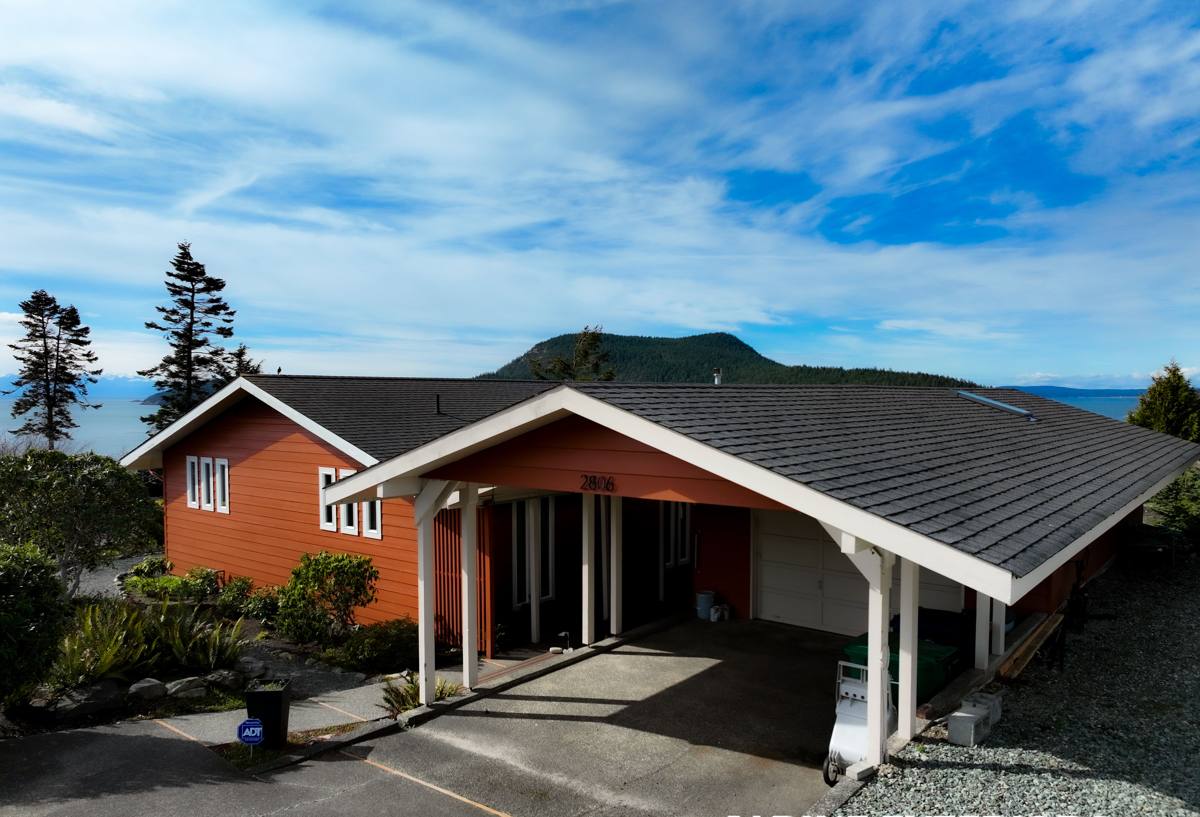
Moss doesn't need much to get started — a little shade, a little standing moisture, and a surface with any texture for spores to grip. Fremont's tree cover and its rainy stretches from fall through spring give moss almost everything it wants. On roofs, moss holds water against shingles and creeps under tabs, which shortens roof life and can contribute to leaks at valleys and flashing. On siding, algae staining and moss growth show up first on north-facing walls and anywhere water sheets down without drying, and on wood-based products it can trap moisture right against the substrate.
None of this means moss is a sign of a bad house. It's a sign of a Pacific Northwest house doing what Pacific Northwest houses do. The real question is whether your roofing and siding materials are built to shed that moisture and resist the growth, or whether they're slowly absorbing it.
Driving Rain and Wind-Driven Moisture
Rain in this area rarely falls straight down. Storms off the water tend to push rain sideways against west- and south-facing walls, which puts real stress on siding seams, window flashing, and trim joints. A siding system that looks fine on a dry day can still be letting moisture in behind the surface if the installation details — flashing, caulking, panel gaps — weren't done correctly. This is where installation quality often matters more than the material itself.
Siding: Why We Only Install James Hardie Fiber Cement
We made a decision a while back to stop installing several common siding products — vinyl, LP SmartSide, and other engineered wood or fiber cement alternatives — and install James Hardie fiber cement exclusively. That's not a marketing position, it's a maintenance and moisture-behavior decision based on what actually happens to siding in a climate like this one over ten, twenty, thirty years.
Vinyl siding is affordable and low-maintenance in the sense that it doesn't need painting, but it's a thin plastic product that can warp in temperature swings, crack in cold snaps, and fade unevenly under UV exposure over time. It also doesn't hold up well to impact, and once it's damaged, matching older, sun-faded panels can be difficult.
Engineered wood products like LP SmartSide use wood strand technology with resin binders and a treated outer layer. They perform reasonably well when installation and maintenance are done exactly to spec, but they're wood-based, which means they're inherently more vulnerable to sustained moisture exposure than a cement-based product. In a climate with a long wet season and heavy tree shade, any lapse in caulking, flashing, or paint maintenance can let moisture into the substrate, and swelling or edge deterioration can follow.
James Hardie fiber cement is a mix of cement, sand, and cellulose fibers — it doesn't absorb moisture the way wood-based products do, it's non-combustible, and it doesn't warp or crack from temperature swings the way vinyl can. Hardie's HZ5 product line is engineered specifically for climates with significant moisture and freeze-thaw cycling, which fits the Puget Sound region well. The ColorPlus factory-applied finish is baked on under controlled conditions rather than field-painted, which means better color consistency, better adhesion, and a longer stretch before repainting is even a conversation. Hardie backs its siding with a strong transferable warranty, which matters if you ever sell the house.
None of this means other products are junk — they're reasonable choices with real trade-offs. We just don't think those trade-offs make sense for homes in this climate, so we don't install them.
Siding Material Comparison
| Material | Moisture Behavior | Maintenance | Fire Resistance | Typical Lifespan |
|---|---|---|---|---|
| James Hardie fiber cement | Does not absorb/swell; engineered HZ lines for wet climates | Low — factory finish, occasional wash | Non-combustible | 30-50+ years |
| Vinyl | Doesn't absorb, but can warp/crack and trap moisture behind panels | Low, but repairs/matching can be hard | Combustible, can melt/deform | 20-30 years |
| LP SmartSide / engineered wood | Wood-based; vulnerable if finish or flashing fails | Moderate — repaint/caulk cycles | Combustible | 20-30 years with upkeep |
| Cedar / primed wood | Absorbs moisture readily; needs consistent sealing | High — regular refinishing | Combustible | 15-25 years with diligent care |
Roofing: Built for the Wet, Shaded Reality of This Neighborhood
Roof failures in this area are rarely one dramatic event — they're usually the slow accumulation of trapped moisture, moss undermining shingle edges, and flashing that's been quietly failing at valleys, chimneys, and vent penetrations. A roofing job here isn't just laying material; it's making sure ventilation is adequate so moisture doesn't get trapped in the attic, valleys and penetrations are properly flashed, and the material chosen can handle sustained damp conditions without becoming a moss farm within a few years. We look at tree cover, roof pitch, and sun exposure on each specific home before recommending a system, because a roof on a shaded, tree-heavy lot needs different moss-resistance strategy than one with more open sky.
Windows: Where Driving Rain Finds the Weak Points
Old, single-pane or poorly flashed windows are one of the most common sources of water intrusion in older homes throughout King County. It's rarely the glass itself — it's the flashing and sealant around the frame failing over years of wind-driven rain hitting west and south exposures. Replacement windows done correctly address two things at once: they cut down on drafts and energy loss, and — just as important in this climate — they re-establish a proper water-management path so rain sheds away from the frame instead of finding its way behind the trim.
Decks: Built for Wet Wood and Shaded Ground
Decks in shaded, damp yards face their own version of the same problem: wood that never fully dries out between rains is wood that rots, and ledger boards and joists tucked against a house are especially vulnerable if flashing wasn't done right when the deck was built. Composite decking has become a popular option here precisely because it doesn't absorb water the way real wood does, which matters when a deck sits under tree cover for much of the year. Whether we're building new or replacing an aging deck, proper ledger flashing, joist protection, and drainage away from the house are non-negotiable details — the kind of thing that's invisible when done right and expensive when it isn't.
Why a Local Crew Matters Here
A contractor who only works occasionally in the Puget Sound region can miss the details that matter most in this specific climate — how much moss-resistance a north-facing wall actually needs, how aggressive the flashing detail should be on a west-facing exposure that catches driving rain, or how tree canopy on a given lot changes the maintenance conversation. Crews who work King County exteriors regularly see the same failure patterns often enough to build installation habits around preventing them, not just meeting a generic spec.
Signs Your Fremont Home's Exterior Needs a Look
- Moss or dark streaking building up on the roof, especially in shaded valleys
- Green or black staining on siding that doesn't wash off easily
- Soft or spongy spots on deck boards, railings, or ledger areas
- Paint or caulk that's cracked, peeling, or pulling away at trim and window edges
- Drafts, fogging between window panes, or difficulty opening/closing sashes
- Warped, bowed, or visibly swollen siding panels
- Water stains on interior ceilings or walls near the roofline
How We Approach a Fremont Project
Every home is different, but the process is consistent: we look at the specific exposures on your lot — which walls take the worst driving rain, how much shade the roof gets, where moisture has already left a mark — and build a plan around that, not a generic package. For siding, that plan starts and ends with James Hardie fiber cement, because we've seen how it performs against this exact climate over time. For roofing, windows, and decks, it means paying close attention to the flashing, ventilation, and drainage details that make the difference between an exterior that lasts decades and one that starts causing problems in year eight.
If you're noticing moss buildup, aging siding, drafty windows, or a deck that's seen better days, we're happy to take a look and give you an honest, no-pressure assessment of what's actually going on and what your options are. Use the form below to request a free estimate — there's no obligation, just a straight answer about your home's exterior.