 Seattle
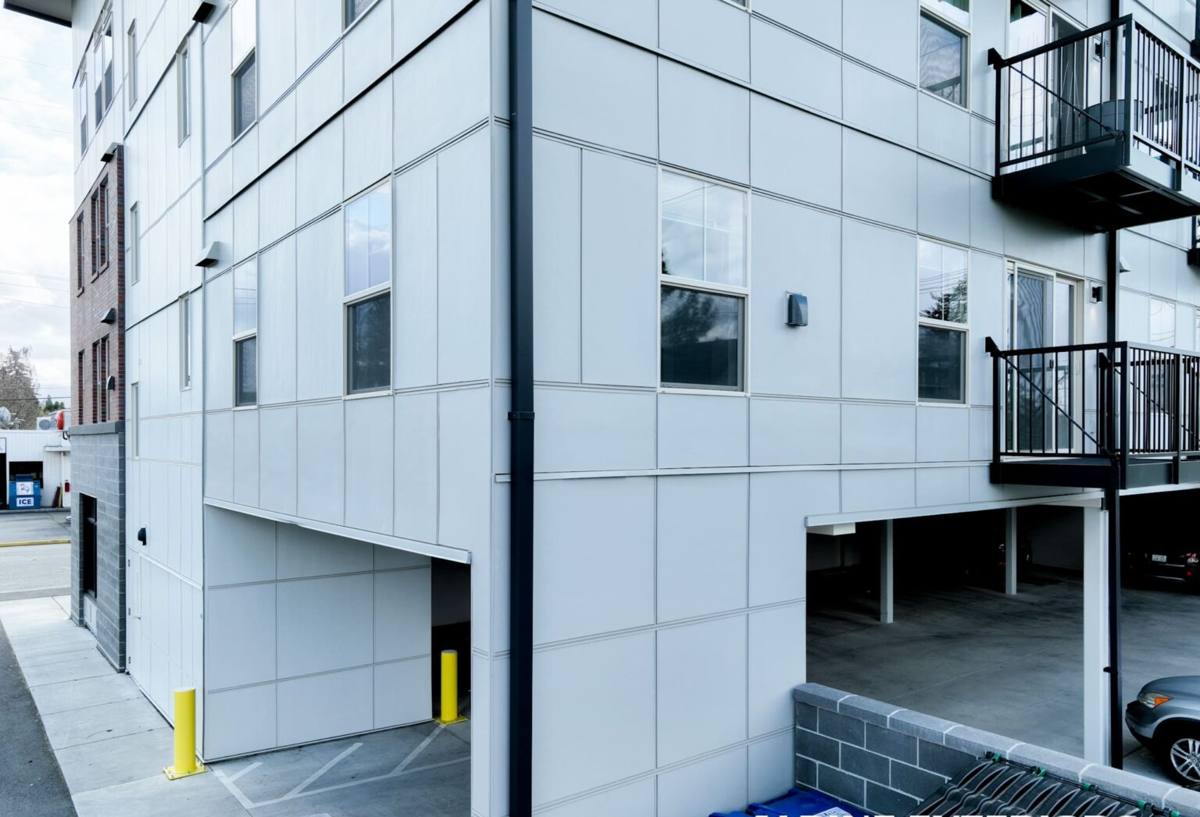
 Board & Batten Siding, Done Right for Fremont Homes
Board and batten siding has become one of the most requested looks in Fremont over the past several years, and it's easy to see why. The vertical lines read as clean and modern on newer builds, but the same profile also sits comfortably on older Seattle homes looking for a refresh that doesn't feel out of place in the neighborhood. What most homeowners don't realize until they're deep into a quote is that board and batten is not a "pick a plank and go" product. It's a system, and in a climate like ours, how that system is built matters more than how it looks on day one.
We install board and batten siding across Seattle and King County, and Fremont is one of the areas we work in regularly. That matters more than it sounds like it should. A crew that's fought with this neighborhood's moisture patterns, tree cover, and mixed housing stock before will make different decisions on your job than a crew seeing it for the first time.
Why Fremont's Climate Is Hard on Vertical Siding
Fremont sits close enough to the water and the ship canal that homes here deal with a steady mix of salt-tinged air and near-constant moisture for a good chunk of the year. Add in Seattle's long, low-intensity rainy season and the shade from mature trees common in older Fremont lots, and you get conditions that are tough on any exterior cladding — but especially tough on vertical siding profiles.
Board and batten relies on battens (the narrow vertical strips) covering the seams between wider boards. Every one of those seams is a potential water entry point if it isn't flashed and fastened correctly. On a horizontal lap siding job, gravity does a lot of the work moving water down and away. On a vertical board and batten job, water runs straight down the face of the boards and can find its way behind battens that weren't installed with the right gap, fastening pattern, or flashing detail.
What driving rain and moss season actually do to a wall
- Driving rain, common with our fall and winter storm systems, pushes moisture sideways into seams that would stay dry in a light straight-down rain.
- Shaded, damp walls — typical on the north and west sides of many Fremont lots — hold moisture longer between dry spells, which is exactly what moss, algae, and mildew need to establish themselves.
- Salt-influenced air accelerates the breakdown of fasteners and finishes that aren't rated for it, which shows up years later as streaking, corrosion spots, or premature paint failure.
- Repeated wet-dry cycling stresses any material that swells and shrinks with moisture, which is a core reason we don't install wood-based or wood-look products that aren't engineered for it.
What a Correct Board & Batten Installation Involves
The visual result of board and batten is simple. The installation is not. A correct job in a climate like Fremont's comes down to a handful of details that either get done right the first time or turn into a callback in two to five years.
The water management layer comes first
Before any siding goes up, the wall needs a properly lapped weather-resistive barrier and correctly integrated flashing at every window, door, and penetration. Board and batten does not forgive shortcuts here, because the vertical seams give water more opportunities to test the wall behind it. We treat this layer as the actual waterproofing system — the siding on top of it is the second line of defense, not the first.
Fastening and gapping
Battens need consistent reveal and a fastening pattern that allows the boards behind them to expand and contract without cracking the finish or working fasteners loose over time. Too tight, and you trap moisture. Too loose, and you invite wind-driven rain behind the board. This is a measure-and-check process, not a guess.
Material selection
This is where we take a firm position: we install James Hardie fiber cement board and batten systems exclusively. We don't offer engineered wood, vinyl board and batten, or primed wood alternatives, and that's a deliberate standard, not a limitation of what we know how to install.
Why We Install James Hardie and Nothing Else
Homeowners in Fremont researching board and batten will run into several product families — engineered wood panels, vinyl board and batten, primed spruce or cedar boards, and fiber cement. Each has a place in the market. We've made the decision to install only James Hardie fiber cement, and we think it's worth explaining plainly rather than just stating it.
| Material | How it handles our wet climate | Long-term consideration |
|---|---|---|
| Primed wood (spruce/cedar) | Absorbs moisture at cut edges and seams; needs vigilant repainting | Highest maintenance burden; rot risk if caulking or paint is neglected |
| Engineered wood panels | Better moisture resistance than raw wood, but still wood-based at the core | Edge and seam sealing must be maintained precisely to avoid swelling |
| Vinyl board and batten | Won't rot, but can warp or fade with UV and temperature swings | Limited color depth; not repaintable in the same way; can look plasticky up close |
| James Hardie fiber cement | Non-combustible, engineered for Pacific Northwest moisture (HZ5 product line) | Factory ColorPlus finish reduces repainting cycles; strong transferable warranty |
Fiber cement isn't magic — it still needs correct installation, proper caulking at seams, and normal exterior maintenance. But it starts from a material that doesn't rot, doesn't feed moss the way wood fiber can, and holds a factory finish far longer than field-applied paint on wood or engineered substrates. For a neighborhood dealing with salt air and a moss season that can stretch from fall through spring, that's the difference between repainting every several years and going a long stretch before the exterior needs real attention.
James Hardie's HZ product lines are specifically engineered for high-moisture climates like ours, which is a meaningful distinction from siding designed primarily for drier regions. Combined with the ColorPlus factory finish and a warranty that's transferable if you sell the home, it's the system we're willing to put our name behind.
Our Process for a Fremont Board & Batten Project
- On-site assessment. We look at your current siding condition, wall assembly, sun and shade exposure, and any existing moisture or moss issues before quoting anything.
- Water management plan. We map out flashing details at every window, door, and roofline intersection specific to your home's layout.
- Material and color selection. We walk through James Hardie's board and batten profiles and ColorPlus finish options suited to Fremont's mix of modern and traditional homes.
- Installation to manufacturer spec. Correct fastening, batten spacing, and seam treatment — not shortcuts that show up as callbacks later.
- Final walkthrough. We go over the finished job with you, including basic care so the siding performs the way it's designed to for the long haul.
What to check before you hire anyone for board and batten in Fremont
- Do they install to the manufacturer's documented fastening and flashing specifications, or their own shortcut version?
- Can they explain how they'll handle water management around your specific windows and rooflines, not just siding installation in general?
- Do they carry proper licensing and insurance for exterior work in Washington State?
- Will they put their material and workmanship commitments in writing?
- Have they worked in Fremont or similar King County neighborhoods with comparable moisture exposure?
Why Local Experience in Fremont Actually Matters
Fremont isn't uniform. Lots close to the ship canal deal with more direct moisture and salt exposure than homes higher up the hill. Mature tree cover on some streets creates shaded, slow-to-dry wall sections that need more attention to ventilation and detailing than a wall that gets full sun. A crew that already understands these micro-conditions across the neighborhood makes better calls on flashing details, batten spacing, and where extra attention is warranted — before problems start, not after.
We work across Seattle and King County, and Fremont's mix of housing ages and styles means every board and batten job here comes with its own set of considerations. That's the job — matching the installation to the house and the site, not applying a one-size-fits-all approach.
What Board & Batten Costs to Do Right
Pricing on any siding project depends on the size of the home, the amount of tear-off and repair needed on the existing wall, window and trim complexity, and the specific James Hardie board and batten profile and finish you choose. Rather than throwing out a number that won't reflect your actual house, we price every project after an on-site assessment. In general, expect board and batten to run somewhat higher than a standard lap siding job of the same square footage, largely due to the additional labor in batten installation and seam detailing — that added labor is exactly what makes the difference between a system that sheds water correctly and one that doesn't.
Get a Straight Answer on Your Fremont Home
If you're weighing board and batten for a home in Fremont, we're happy to come take a look, walk you through what your specific house needs given its exposure and condition, and give you a straightforward, no-pressure estimate. No inflated urgency, no upsell script — just an honest assessment from a crew that installs this siding system in this climate on a regular basis.