 Seattle
 Why Roofing Quotes Vary So Much
If you've called around for roofing quotes in Seattle, you've probably noticed the numbers don't line up. One contractor says one price, another says something twice as high, and it's hard to tell if you're comparing the same job. Most of that spread comes down to a handful of factors: the material you choose, the condition of what's underneath your current roof, the shape and pitch of your house, and how much prep work is needed before a single shingle goes down. Understanding those pieces makes it much easier to read a quote and know whether it's fair.
This page walks through what actually goes into a roof replacement price in King County, without pretending there's one number that applies to every home.
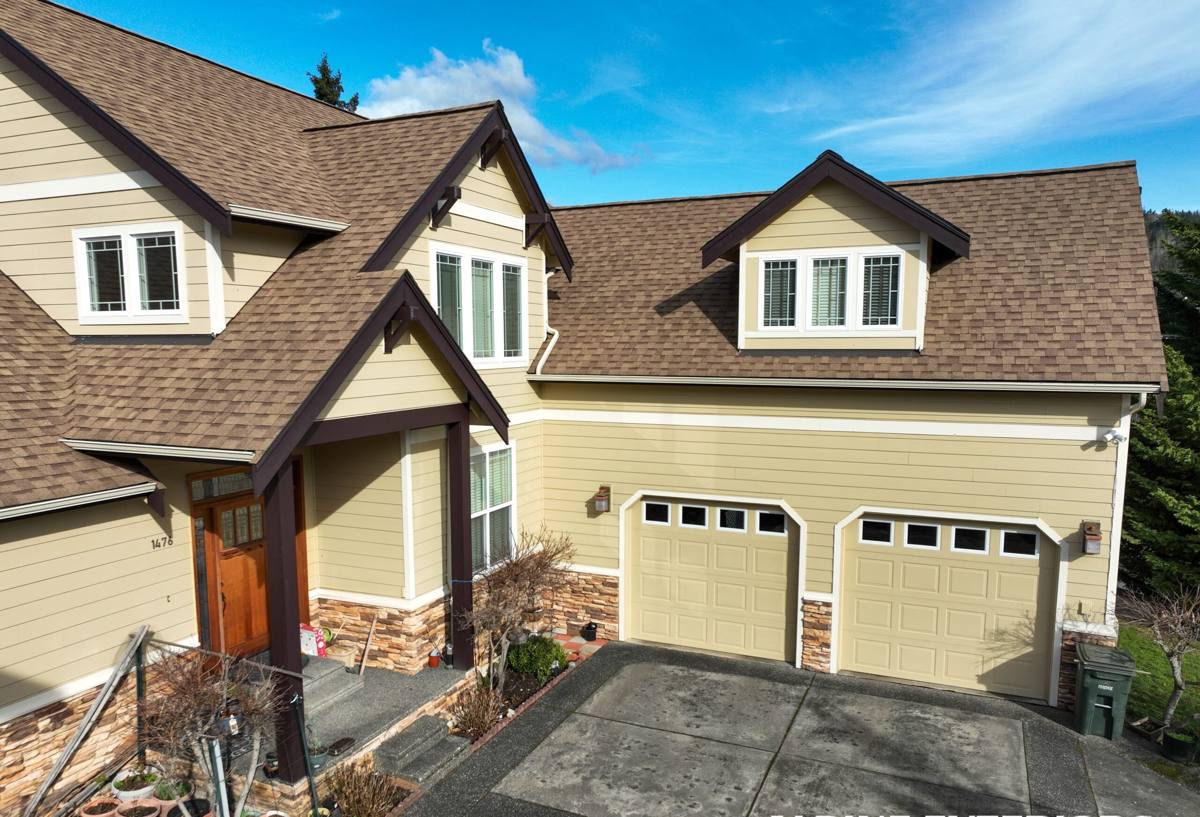
The Big Cost Driver: Material
Material is usually the single biggest swing factor in a roofing quote. Here's how the common options in our area generally compare, in broad terms — exact pricing always depends on your specific roof.
| Material | Typical Lifespan | Relative Cost | Notes for Seattle Homes |
|---|---|---|---|
| 3-tab asphalt shingle | 15-20 years | Lowest | Budget option; moss and moisture shorten lifespan faster than other materials |
| Architectural (dimensional) asphalt shingle | 25-30 years | Moderate | Most common choice locally; good balance of cost and durability |
| Metal (standing seam or panel) | 40-50+ years | Higher | Sheds moss and rain well; strong long-term value despite higher upfront cost |
| Cedar shake | 20-30 years with upkeep | Higher | Traditional look, but needs regular moss and moisture maintenance in our climate |
| Synthetic/composite shingle | 30-50 years | Higher | Designed to resist moisture and moss better than natural materials |
Architectural asphalt shingles remain the most common pick in the Seattle area because they hold up reasonably well against our wet winters at a price most homeowners can work into a budget. Metal and synthetic products cost more up front but ask less of you in maintenance over the years, which matters a lot given how much moss pressure our climate puts on a roof.
Don't Just Compare Material Price Per Square
Roofers price in "squares" (100 square feet), and it's tempting to compare quotes purely on a per-square material cost. But two roofs of the same size can cost very different amounts to install depending on pitch, layers to remove, and how much of the deck underneath needs repair. Material is only one piece of the total.
Labor, Tear-Off, and Disposal
Labor typically makes up close to half of a roofing job's total cost, sometimes more on steep or complicated roofs. This covers:
- Tearing off the old roofing material down to the deck
- Hauling away and disposing of the old material (dump fees add up fast on a full tear-off)
- Inspecting and repairing the roof deck where needed
- Installing underlayment, flashing, and the new roofing material
- Cleanup, including magnetic sweeps for stray nails
A roof with two or three layers of old shingles already on it costs more to tear off than a single-layer roof, and disposal fees for a large tear-off aren't trivial. If a quote seems unusually low, it's worth asking whether tear-off and disposal are actually included, or whether they're a separate line item waiting to appear later.
Roof Size, Pitch, and Complexity
Square footage matters, but pitch and complexity often matter more. A steep roof requires more safety equipment, slows down installation, and can require a labor surcharge because crews simply can't move as fast or safely on it. Roofs with a lot of valleys, dormers, skylights, or chimneys also take longer because each of those features needs careful flashing work to stay watertight — and in a region that gets as much driving rain as ours, flashing details are not the place to cut corners.
A simple, low-pitch roof on a rectangular house will almost always cost less per square foot to replace than a steep roof with multiple intersecting rooflines, even if the total square footage is similar.
What Makes Seattle Roofing Different
Local climate genuinely changes what a roof needs to survive here, and that affects both material choice and long-term cost.
Moss and Moisture
Seattle's long, wet moss season is one of the more distinctive challenges for roofs in our area. Moss holds moisture against roofing material, which accelerates wear on asphalt shingles and wood shakes in particular. Homes under heavy tree cover, which describes a lot of King County neighborhoods, tend to see moss pressure build up faster than homes in open, sunny locations. That's part of why some homeowners choose metal or synthetic materials that shed moss more easily, even at a higher upfront cost — it's a trade-off between initial price and long-term maintenance.
Driving Rain and Wind-Driven Moisture
Salt air and driving rain off the Sound put real stress on flashing, underlayment, and ventilation details. A roof that's correctly flashed and ventilated for our climate will hold up far better over 20-plus years than one installed to a lower standard, even if both used the same shingle. This is one area where paying for correct installation matters as much as the material itself.
Permits and Code
Most roof replacements in Seattle and unincorporated King County require a permit, and code requirements around ventilation, ice and water shield in vulnerable areas, and underlayment have gotten more specific over the years. Permit fees and required inspections are a real cost, and a contractor who skips the permit isn't saving you money — they're shifting risk onto you if there's ever an insurance claim or a home sale inspection.
Hidden Costs Homeowners Often Forget
These are the items that turn a "surprise" invoice into a predictable one, if they're addressed upfront:
- Deck repair: Rotted or damaged plywood/sheathing found once old roofing is removed
- Ventilation upgrades: Adding or correcting attic ventilation, which affects both roof lifespan and energy bills
- Flashing replacement: Around chimneys, skylights, and valleys — reusing old flashing is a common shortcut that causes leaks later
- Gutter and downspout work: Often makes sense to address at the same time as the roof
- Permit and inspection fees: Required for most full roof replacements locally
- Skylight or chimney flashing kits: Sometimes need full replacement, not just resealing
A detailed quote should spell out which of these are included versus which are "if needed" allowances. Vague quotes that don't mention deck repair or flashing at all are the ones most likely to grow after the tear-off starts.
Roof Age and Condition: When to Repair vs. Replace
Not every roofing problem calls for a full replacement. A roof with isolated leaks, a handful of damaged shingles, or moss buildup that hasn't yet caused underlying damage can often be repaired for a fraction of replacement cost. Full replacement generally makes more financial sense when:
- The roof is near or past its expected lifespan for its material
- Multiple layers of old roofing are already present
- Deck damage or widespread moisture intrusion is found
- Repairs are becoming frequent and are no longer cost-effective
An honest contractor should be willing to tell you when a repair is the right call, not just quote a full tear-off by default.
How to Get an Accurate Quote
Because so much of the final price depends on things that aren't visible from the ground, an accurate quote requires an actual roof inspection, not just a drive-by estimate. Before you sign anything, it's worth confirming:
- Whether the quote includes tear-off and disposal, or bills them separately
- What happens if deck repair is needed — is there a per-sheet rate agreed upon in advance?
- Whether flashing is being replaced or reused
- What underlayment and ventilation upgrades are included
- Whether the permit is pulled by the contractor and included in the price
- What warranty covers labor versus what the manufacturer covers on materials
Getting two or three quotes that answer these same questions side by side is the best way to compare apples to apples, rather than just comparing bottom-line numbers.
Getting a Straight Answer for Your Home
Every roof is different, and the honest answer to "what will this cost" depends on an actual look at your roof's size, pitch, current condition, and what's underneath the surface. We're happy to walk your roof, explain what we find, and put together a clear, itemized estimate with no pressure to sign on the spot. If you're weighing a roof replacement alongside other exterior work, we can look at the whole picture at once — reach out any time for a free estimate.