 Seattle
 Exterior Work Built for Queen Anne's Hill
Queen Anne sits on one of Seattle's most distinctive pieces of geography — a steep hill with sweeping views of Puget Sound, downtown, and the Olympics on a clear day. That elevation and exposure is part of what makes the neighborhood desirable, but it's also exactly why exteriors up here take a beating that flatter parts of King County don't see as often. Homes near the top and west-facing slopes catch wind coming straight off the water, while homes tucked into the lower slopes and Lower Queen Anne deal with more shade, more moisture retention, and slower drying times after every storm. Either way, the exterior of a Queen Anne home is doing real work every single day.
We're a Seattle-based exteriors contractor working in siding, roofing, windows, and decks. We don't treat Queen Anne like generic "Seattle" — the wind exposure on the hill, the mix of early-1900s craftsman and Tudor-style homes with newer infill construction, and the proximity to salt water all factor into how we recommend materials and how we install them.
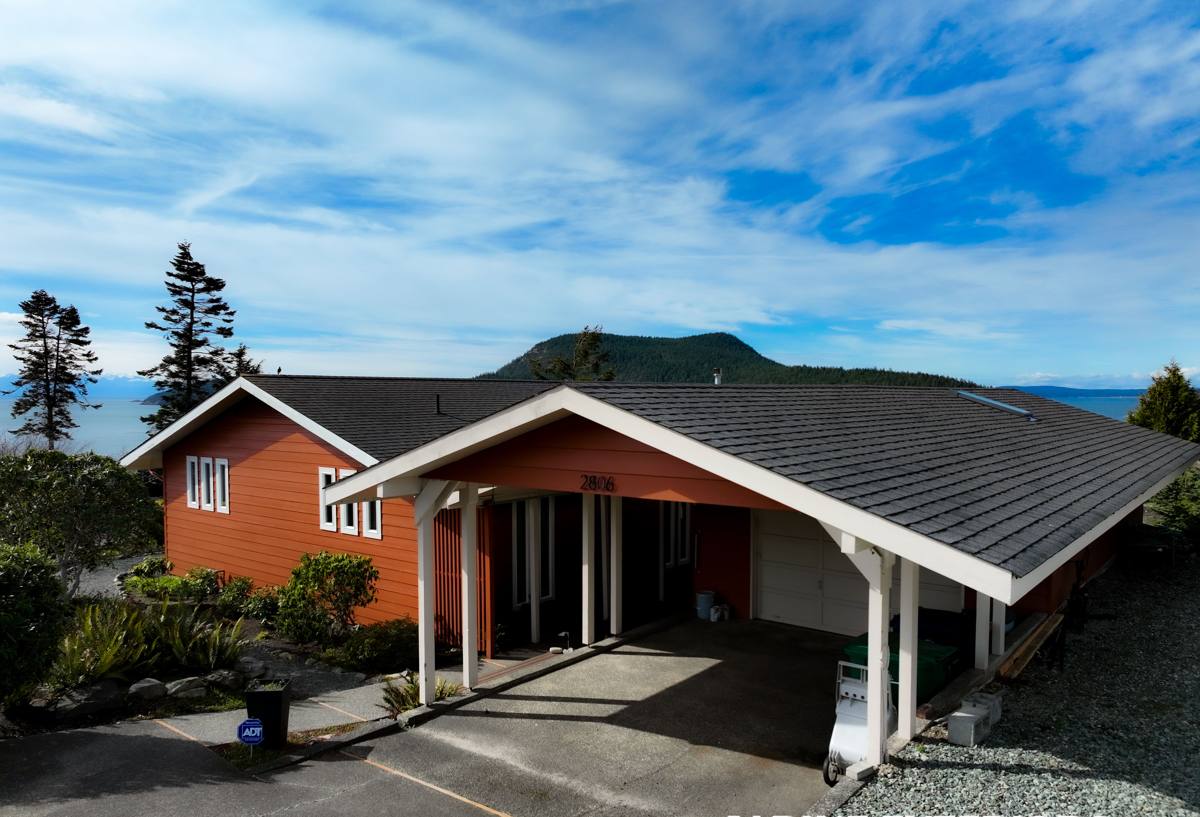
What the Climate Actually Does to a House Here
Three things drive almost every exterior problem we see in this part of Seattle:
- Driving rain. Wind off the Sound doesn't just drop rain straight down — on exposed sides of the hill it pushes moisture sideways into siding seams, window flashing, and anywhere caulking has aged out.
- Salt air. Being close to Puget Sound means airborne salt accelerates corrosion on fasteners, flashing, and any metal trim that isn't properly rated or protected.
- A long moss season. Between the marine layer, shade from mature trees on many Queen Anne lots, and our extended wet months, moss and algae get a real head start on roofs and north-facing siding and don't let go until well into summer.
None of that is unique to Queen Anne, but the hill amplifies it. A house at the crest catches more wind-driven rain than one three blocks downhill; a shaded lot on the north slope holds moisture longer than a sun-exposed one. We factor that into every estimate rather than pricing every job in the city the same way.
Siding: Why We Only Install James Hardie
Siding is the single biggest factor in how well a Queen Anne home holds up to this climate, and it's also where we've made the most deliberate choice as a company: we install James Hardie fiber cement siding exclusively. We don't install vinyl, LP SmartSide, Cemplank, Allura, primed spruce, or cedar. That's not a marketing line — it's a standard we hold to because of what we've seen these materials do (and not do) in wet, wind-driven Pacific Northwest conditions over time.
The Honest Trade-offs
Wood siding — cedar in particular — looks great when it's new and can be a fine choice for homeowners who commit to a real maintenance schedule. But it needs regular refinishing, and in a shaded, damp neighborhood like Queen Anne, that window between "needs attention" and "showing rot" closes faster than most owners expect. Vinyl is low-maintenance and inexpensive, but it can warp under thermal stress, and long-term color stability is a real limitation. Engineered wood products like LP SmartSide use a wood-strand substrate — they perform reasonably in dry climates, but wood-based cores are inherently more moisture-sensitive than a cement-based product, and installation details matter enormously in a place that gets this much sustained rain.
Why Hardie
James Hardie fiber cement is non-combustible, dimensionally stable, and doesn't have a wood or vinyl substrate to swell, rot, or warp. The ColorPlus factory-finish process bakes color onto the board under controlled conditions, which holds up better than field-applied paint against UV and moisture cycling. Hardie's HZ5 product line is engineered specifically for climates like ours — freeze-thaw cycling, sustained moisture exposure, the works. It also carries a strong transferable warranty, which matters on a resale-heavy market like Queen Anne where a lot of these homes change hands.
| Material | Moisture Behavior | Maintenance | Typical Lifespan |
|---|---|---|---|
| James Hardie fiber cement | Non-combustible, dimensionally stable, resists rot | Occasional wash; factory finish holds color | 30+ years with correct install |
| Cedar | Absorbs moisture, prone to rot without upkeep | Refinish every few years | Highly maintenance-dependent |
| Vinyl | Doesn't rot, but can warp with heat/cold cycling | Low, but limited repair options | 20-30 years, fades over time |
| LP SmartSide / engineered wood | Wood-strand core is moisture-sensitive at cut edges and seams | Moderate; installation detail critical | Varies widely with install quality |
Correct installation is what actually determines how any of these materials perform, but fiber cement gives us the widest margin for error in a climate this wet — which is exactly why we standardized on it.
Roofing on a Hill Neighborhood
Queen Anne's mix of pitched craftsman roofs, older Tudor-style rooflines, and newer builds means we see a wide range of roofing conditions in a small geographic area. A few things come up again and again:
Moss and Algae
Shaded, north-facing roof planes — common on the lower slopes and heavily treed lots — hold moisture and grow moss faster than sun-exposed roofs. Left alone, moss lifts shingle edges and traps water where it shouldn't sit. Regular moss treatment and gutter clearing does more for roof lifespan here than almost anything else.
Valleys and Flashing
Older homes on the hill often have roof valleys and step flashing that were installed to a different era's standard. Wind-driven rain finds every gap, so when we're on a roof for repair or replacement, we pay close attention to valley metal, chimney flashing, and any place a newer addition meets an older roofline.
Wind Exposure
Homes at higher elevation or with unobstructed exposure toward the water see stronger sustained wind than sheltered lots. That affects fastening patterns, underlayment choice, and how we detail ridge and edge work.
Windows: Comfort, Condensation, and Character
A lot of Queen Anne housing stock predates modern window standards. Single-pane or early double-pane windows are common, and in a marine climate they show it — drafts, condensation between panes, and higher heating bills in the wet months. Window replacement is one of the more straightforward upgrades for comfort and efficiency, and on older homes we pay attention to matching proportions and trim details so the house doesn't lose its character in the process. Proper flashing and sealing at the window opening also matters as much as the window itself — a great window installed with poor flashing will still leak in a wind-driven storm.
Decks: Built to Survive the Wet Season
Outdoor living is a big part of why people love Queen Anne — the views alone make a deck worth having. But decks here take on standing water, UV exposure in the drier months, and constant wet-dry cycling the rest of the year. Ledger board flashing, proper drainage away from the house, and decking materials that can handle sustained moisture are the difference between a deck that lasts and one that needs early repair. We build and repair decks with an eye toward how water actually moves off a hillside lot, not just how the deck looks on installation day.
Why a Local Crew Matters Here
Queen Anne isn't a neighborhood where a generic, one-size-fits-all approach works well. Steep lots and limited street parking affect how a job gets staged. Some homes fall within design review or have neighborhood character considerations worth respecting even when they're not formally regulated. And City of Seattle permitting requirements apply regardless of which part of town you're in — a crew that pulls permits regularly in Seattle and King County moves through that process without it becoming your problem to manage. We're not commuting in from outside the area to bid a job and disappear; we work across Seattle neighborhoods regularly and know what this hill does to a house.
A Quick Self-Check for Queen Anne Homeowners
- Moss or dark streaking on north-facing roof slopes or siding
- Soft spots, peeling paint, or visible gaps in wood siding or trim
- Condensation or fogging between window panes
- Gutters overflowing or pulling away from the fascia
- Deck boards that stay damp long after rain has stopped, or soft spots near the ledger board
- Rust staining below metal flashing or fasteners
- Drafts near window and door frames during windy weather
None of these mean disaster on their own, but they're worth having a professional look at before the next wet season turns a small issue into a bigger repair.
Get a Free, No-Pressure Estimate
Whether you're dealing with aging siding, a roof that's overdue for attention, drafty windows, or a deck that needs work, we're happy to take a look and give you a straight answer — no pressure, no upsell. Use the form below to request a free estimate for your Queen Anne home.