 Seattle
 Board & Batten in a Neighborhood That Wears Its Weather
Queen Anne sits high above the rest of Seattle, and that elevation cuts both ways. The views over Elliott Bay and Puget Sound are part of why people love living on the hill, but that same exposure means wind, rain, and salt-laden air reach these homes with more force than they reach houses tucked down in a sheltered valley. Board and batten siding — vertical panels with narrow battens covering the seams — has always suited this kind of neighborhood. It reads as clean and traditional on a craftsman bungalow, and it works just as well on the modern farmhouse remodels that have become common on the hill. The style is popular here for good reason. The question homeowners need answered before they commit to it is what material actually holds up under Queen Anne's specific conditions, and what a correctly built board and batten wall looks like once it's finished.
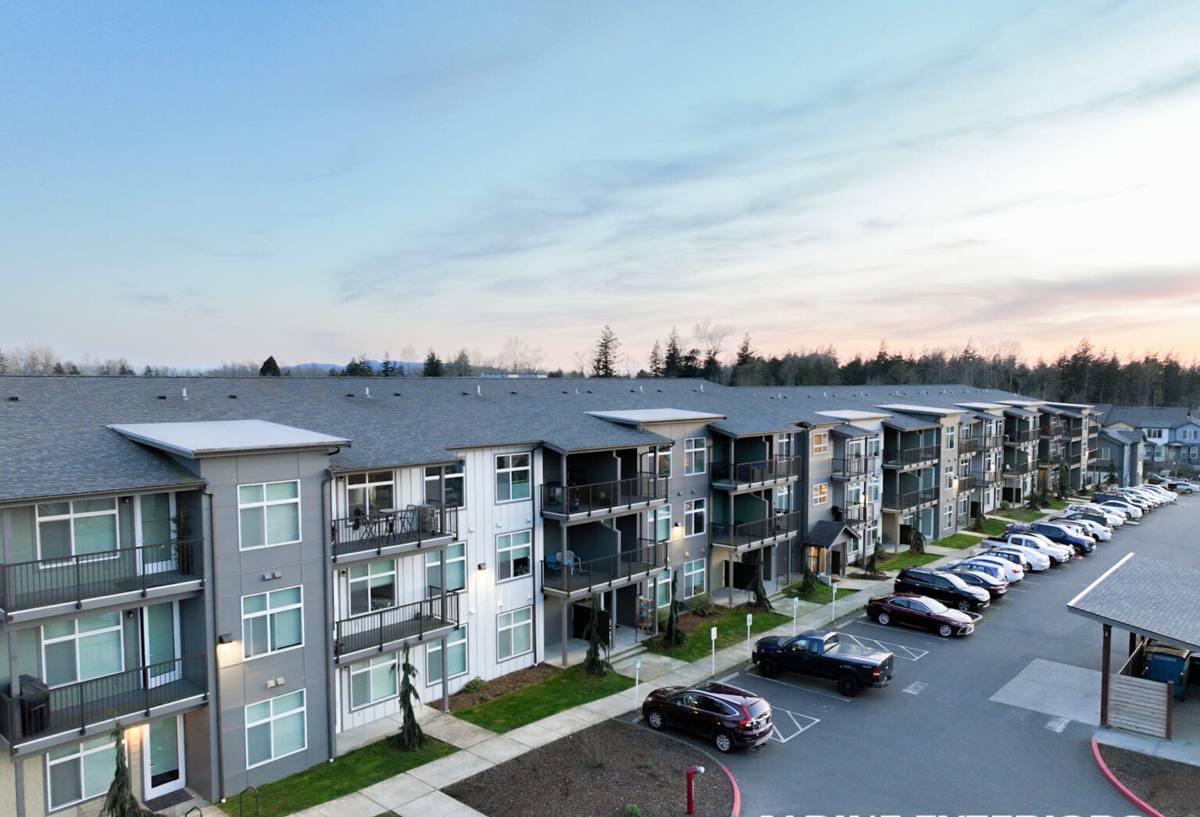
What King County's Climate Does to Vertical Siding
Vertical siding profiles behave differently than horizontal lap siding in wet climates, and that difference matters in a place like this. Board and batten relies on the battens themselves, and the sealant or flashing behind them, to keep water from tracking down the seams. In a marine climate like Seattle's, that detail either works for decades or fails within a few years — there's not much in between.
A few things stack up against vertical siding here specifically:
- Salt air off Puget Sound accelerates corrosion of fasteners, flashing, and any metal trim components if they aren't rated for coastal exposure.
- Driving, wind-driven rain hits west- and south-facing walls on the hill harder than it hits sheltered elevations, pushing water sideways into seams that would stay dry on a calmer site.
- A long moss and algae season — realistically much of the year in this climate — keeps siding surfaces damp longer after every rain event, which matters more for materials that absorb moisture than for ones that don't.
- Elevation-driven wind load on hilltop and upper-slope homes puts more physical stress on fastening patterns than the same siding would see at sea level.
None of this makes board and batten a bad choice for King County. It makes the material and the installation detail the whole decision.
Why We Only Install James Hardie Fiber Cement Board & Batten
We don't install wood board and batten, cedar, primed spruce, or engineered wood siding of any kind. That's not a marketing position — it's a standard we set after weighing how each of those materials performs against Seattle's climate over the long haul.
What Wood and Engineered Wood Get Right
Real wood board and batten looks good and has genuine historic character, which fits some of the older homes on the hill. Engineered wood products close some of solid wood's gaps and are less expensive up front than fiber cement. Both are legitimate products in the right climate.
Why We Don't Install Them Here
The trade-off is moisture behavior. Wood swells, cups, and checks as it takes on and releases water through repeated wet-dry cycles, and Seattle's rain season doesn't give a wall much time to fully dry between events. Cut ends and exposed edges on engineered wood are especially vulnerable to swelling if they're not perfectly sealed and maintained, and vertical seams give water more opportunity to find those weak points than a horizontal lap profile would. Over years of salt air and moss cover, that maintenance burden — recaulking, repainting, replacing damaged boards — adds up in a way most homeowners don't want to sign up for twice.
Why James Hardie
James Hardie's fiber cement is non-combustible, doesn't swell or rot the way wood-based products do, and comes with a factory-applied ColorPlus finish that resists fading and chipping far better than field-applied paint. For board and batten specifically, that means HardiePanel vertical siding paired with HardieTrim battens — a system engineered as a unit rather than two separate materials fastened together and hoped to behave. Hardie's HZ5 product line is formulated for climates like ours, and the warranty is transferable if the home sells, which matters in a neighborhood where properties change hands often.
Material Comparison
| Factor | Wood Board & Batten | Engineered Wood | James Hardie Fiber Cement |
|---|---|---|---|
| Moisture resistance | Low — prone to swelling, cupping, rot | Moderate — vulnerable at cut edges | High — engineered for wet climates |
| Maintenance | Repainting and recaulking every few years | Regular sealant and finish upkeep | Occasional wash; factory finish holds up |
| Fire rating | Combustible | Combustible | Non-combustible |
| Typical lifespan when installed to spec | Shorter, climate-dependent | Moderate | Decades, with strong warranty backing |
What a Correct Board & Batten Installation Actually Involves
Board and batten fails or succeeds on the details most homeowners never see once the wall is closed up. A correct installation in this climate includes:
- A drainage gap (rainscreen) behind the panels so any moisture that gets past the surface has somewhere to go instead of sitting against the sheathing.
- Proper flashing at every window head, door head, and horizontal trim transition, not just caulk alone.
- A fastening pattern that runs through both the batten and the panel into solid framing, not just into the panel face.
- Correctly sized and placed sealant joints at seams and penetrations, matched to a product rated for exterior movement.
- A starter strip and base detail that keeps the bottom edge of the siding off standing water and clear of soil or mulch contact.
Skip any one of these and the wall may look identical on install day but behave completely differently five years into Seattle's rain and moss cycle.
Our Process, Start to Finish
We start with an on-site inspection of the wall assembly, not just the visible siding — on hillside and wind-exposed elevations especially, we check the sheathing underneath for moisture damage before pricing the job, since that changes the scope. From there:
- We assess the existing siding, sheathing condition, and drainage plane, and flag anything that needs repair before new siding goes on.
- We handle the permitting and code requirements that apply within Seattle and King County.
- We remove the old siding and address any sheathing or framing issues found underneath.
- We install the rainscreen, flashing, HardiePanel and HardieTrim battens per manufacturer spec, and finish trim details.
- We walk the finished job with the homeowner and clean the site before we leave.
Maintenance and Longevity on the Hill
James Hardie board and batten is low-maintenance, not no-maintenance. In a climate with a moss season this long, an occasional gentle wash to clear algae and moss buildup keeps the surface looking right and prevents organic growth from holding moisture against the wall longer than it needs to. After major wind events, it's worth a quick visual check of exposed corners and upper-elevation walls, since those take the most direct hit from wind-driven rain. Sealant joints should get a look every few years — they're the one component that ages faster than the siding itself and the easiest thing to refresh before it becomes a bigger problem.
Why Local Experience in Queen Anne Matters
Siding crews that haven't worked this neighborhood tend to learn its quirks the expensive way. Narrow streets and limited staging space on steep lots change how a job gets set up and sequenced. Some homes on the hill have design guidelines or landmark status that affect what can change on the exterior, and that's worth checking before any material decision is finalized. Knowing which elevations on a given block take the worst of the wind and salt exposure — usually the sides facing the water — changes where extra flashing and sealant attention actually matter most on a specific house, rather than applying the same generic approach everywhere.
Before hiring anyone for board and batten work in this neighborhood, it's worth asking:
- Have they installed board and batten specifically, not just lap siding, and can they explain their rainscreen and flashing approach?
- Do they carry a manufacturer-backed warranty that transfers if the home is sold?
- Will they inspect the sheathing before quoting, not just after removing the old siding?
- Do they have experience working on hillside lots with limited access and staging space?
- Can they explain, in plain terms, why they recommend the material they're proposing?
If you're weighing board and batten for a home on Queen Anne hill, we're happy to take a look and give you a straight answer about what your house needs — no pressure, no upsell. Use the form below to request a free estimate.