 Seattle
 Exterior Work in Rainier Valley: What the Climate Actually Does to Your House
Rainier Valley sits in one of the more varied residential stretches of Seattle, running along the east side of the city from the Rainier Valley business corridors down toward the shores of Lake Washington. The housing stock reflects that history — early-1900s bungalows, mid-century ramblers, postwar infill, and a growing number of newer townhomes and multiplexes, all packed onto lots that vary in slope, tree cover, and sun exposure. What ties them together is the exterior environment they all share: a long wet season, persistent low light, and air that carries more moisture than most homeowners realize until they look closely at their own siding, trim, and roof edges.
Seattle's marine climate means Rainier Valley homes deal with driving rain for months at a stretch, not just occasional storms. Add King County's mild but damp winters, tree-shaded lots common in the neighborhood, and the kind of humid stillness that settles into north-facing walls, and you get ideal conditions for moss, algae, and slow moisture intrusion. None of that is unique to any one block — it's the baseline every exterior on this side of the city has to be built to handle.
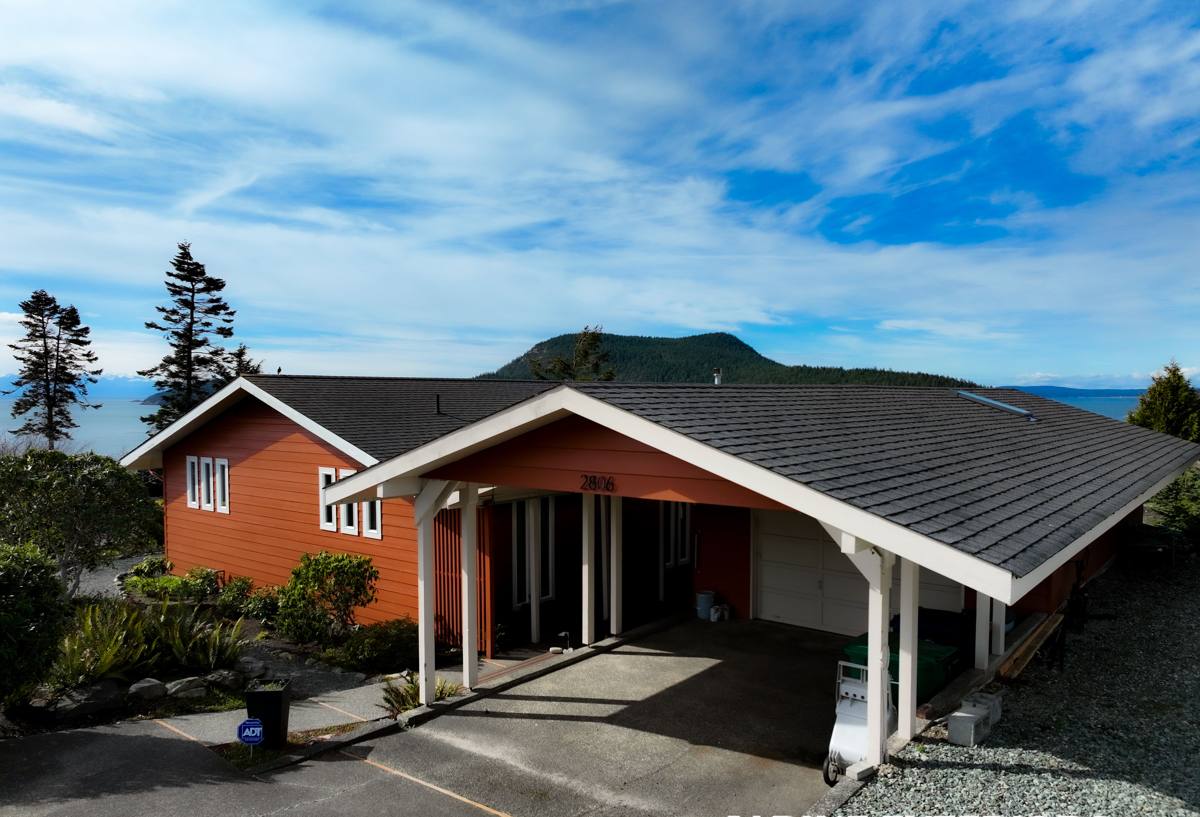
How the Local Climate Shows Up on Your Exterior
Moss and Algae Season Runs Long
In much of Seattle, moss season is really an eight-or-nine-month affair. Roofs with north or east exposure, and siding tucked under mature trees, stay damp far longer than surfaces that get regular sun and wind. Left alone, moss holds moisture against roofing material and can work into seams and under shingle edges. On siding, algae staining is mostly cosmetic, but it's often the first visible sign that a surface isn't drying out between rains the way it should.
Driving Rain and Wind-Driven Moisture
Seattle's rain rarely falls straight down. Wind off Lake Washington and the general weather pattern through the valley pushes rain sideways into walls, especially around windows, corner trim, and anywhere flashing details were rushed during the original build. Over time, wind-driven rain finds every weak seam — that's where paint failure, soft trim, and eventually rot start.
Temperature Swings Are Modest but Constant
Compared to inland climates, our temperature swings are mild, but the freeze-thaw cycles we do get in winter still stress any siding material that's already holding moisture. A product that sheds water well handles this fine. A product that absorbs water and then freezes does not.
What This Means Over a Building's Life
- Painted wood and engineered wood trim need more frequent recoating in shaded, damp locations than in drier parts of the state
- Vinyl siding can warp or gap over time as it expands and contracts through repeated wet-dry cycles
- Roof valleys and north-facing slopes need moss treatment and inspection more often than south-facing ones
- Caulking and sealant joints degrade faster under constant UV-to-rain cycling and need periodic renewal regardless of siding material
Why We Only Install James Hardie Fiber Cement Siding
We get asked fairly often why we don't offer vinyl, LP SmartSide, or the various fiber cement alternatives on the market. The honest answer is that after years of doing exterior work in this climate, we standardized on one product line because it holds up to the specific conditions Rainier Valley and the rest of Seattle throw at a house, and we don't want to sell a homeowner something we know will need premature attention.
Vinyl Siding's Trade-Offs Here
Vinyl is inexpensive and low-maintenance in the sense that it doesn't need painting, but it's a plastic product that expands and contracts with temperature and moisture. In a climate with constant damp-to-dry cycling, seams can loosen over years and panels can warp, especially on walls that get direct afternoon sun after being wet all morning. It also doesn't offer the fire resistance or impact durability that fiber cement does.
LP SmartSide and Other Engineered Wood Products
Engineered wood siding has improved a lot over the decades, but it's still wood-based, which means the cut edges and any breach in the factory coating are vulnerable to moisture absorption. In a climate where a wall can stay damp for days at a time, that's a real long-term maintenance factor — one that shows up as swelling or edge deterioration years down the road, often right where flashing or trim details weren't perfect.
Cemplank, Allura, and Other Fiber Cement Alternatives
These are legitimate fiber cement products, and fiber cement as a category is the right material family for this climate. Our reason for sticking with James Hardie specifically comes down to consistency of the factory finish, the depth of their regional product engineering for wet Pacific Northwest conditions, and a warranty structure we're comfortable standing behind on every job we install.
Why James Hardie
James Hardie fiber cement is non-combustible, dimensionally stable, and doesn't absorb water the way wood-based products do. Its ColorPlus factory finish is baked on under controlled conditions, which gives more even, longer-lasting color than field-applied paint — a real advantage in a climate where repainting is disruptive to schedule around the rain. Hardie also engineers specific product lines (their HZ5 line, for the Pacific Northwest's wetter zones) rather than selling one generic panel everywhere in the country.
Siding Installation and Replacement
Correct installation matters as much as the product choice. Fiber cement performs the way it's designed to only when flashing, clearances, and fastening are done to spec — gaps at grade, tight caulked joints where the material needs to breathe, and rushed trim details are common causes of problems that get blamed on the siding itself. Our crews follow manufacturer installation specs on every job, not shortcuts that save a day of labor and cost the homeowner a repair five years later.
| Siding Material | Typical Lifespan (PNW conditions) | Maintenance Pattern |
|---|---|---|
| Vinyl | 20-30 years, variable | Low upkeep, but can warp/fade; not repaintable |
| Engineered wood (LP SmartSide, etc.) | 20-30 years with diligent upkeep | Needs prompt repair at any coating breach or cut edge |
| Other fiber cement brands | 30-50 years | Periodic repaint or factory-finish care depending on brand |
| James Hardie w/ ColorPlus | 30-50+ years | Occasional wash; factory finish resists fading longer between repaints |
Roofing for Rainier Valley Homes
Roofs in this neighborhood deal with the same long wet season as siding, but with the added factor of moss and organic debris from mature tree canopy common in many of the older residential blocks. A roof replacement or repair here isn't just about shingles — it's about underlayment quality, proper ventilation to keep attic moisture from condensing against the roof deck, and flashing details at every valley, chimney, and penetration. We evaluate ventilation and moisture management as part of any roofing job, not just the surface material, because in this climate the roof deck underneath is often where the real problems start.
Windows
Window replacement in an older Rainier Valley home is often as much about air sealing and flashing integration with the surrounding wall as it is about the glass itself. Old single-pane windows lose heat and let moisture condense on interior surfaces during our damp winters; correct integration between new windows and either existing siding or a full re-side is what actually stops water intrusion at the rough opening, which is one of the more common failure points we find on older homes in this part of the city.
Decks
Outdoor living space matters here as much as anywhere, but a deck in a climate with this much rainfall needs the right ledger flashing, joist protection, and decking material choices to avoid becoming a moisture trap against the house. We build and repair decks with attention to how they tie into the home's siding and roofline, since a poorly flashed ledger board is one of the more common sources of hidden rot we find during other exterior work.
Why a Local Crew Matters
Exterior work in Seattle isn't generic — a crew that mostly works in a drier climate, or one unfamiliar with how wind-driven rain behaves along the Lake Washington side of the city, will make different (and sometimes costly) assumptions about flashing, clearances, and drying time. Knowing which walls in a given King County neighborhood tend to stay shaded and damp longest, and building in the margin for that, comes from doing the work here repeatedly, not from a general specification sheet.
What to Look For in a Contractor Here
- Manufacturer-certified installation for the specific siding line they're proposing
- A clear explanation of flashing and moisture management, not just the finish material
- Willingness to explain trade-offs between products honestly, rather than pushing the cheapest option
- Familiarity with older King County home construction, where original details are often outdated by current best practice
- A written warranty that covers both material and workmanship
Getting Started
Whether you're dealing with moss-stained siding, a roof that's holding water longer than it should, drafty old windows, or a deck that's starting to show soft spots near the house, the starting point is the same: an honest look at what's actually happening on your exterior and what it will take to fix it right for this climate, not just patch it for a season. If you're in Rainier Valley or elsewhere in Seattle and want a straight answer on siding, roofing, windows, or decks, we're happy to take a look and put together a free, no-pressure estimate.