 Seattle
 Roof Replacement Built for Rainier Valley Homes
Rainier Valley has one of the most varied housing stocks in Seattle — mid-century ramblers, older bungalows, newer infill builds, and multi-family properties all sitting on lots with mature tree cover along Rainier Avenue and the surrounding side streets. That tree canopy is part of what makes the neighborhood pleasant to live in, and it's also part of why roofs here wear out the way they do. Shade plus moisture equals moss, algae, and slow-draining valleys, and King County's long wet season gives all three plenty of time to work on a roof that isn't holding up its end of the deal.
A roof replacement here isn't just about swapping old shingles for new ones. It's about correcting whatever let the old roof fail early — usually ventilation, flashing, or underlayment — so the new one doesn't repeat the same problem five or ten years sooner than it should.
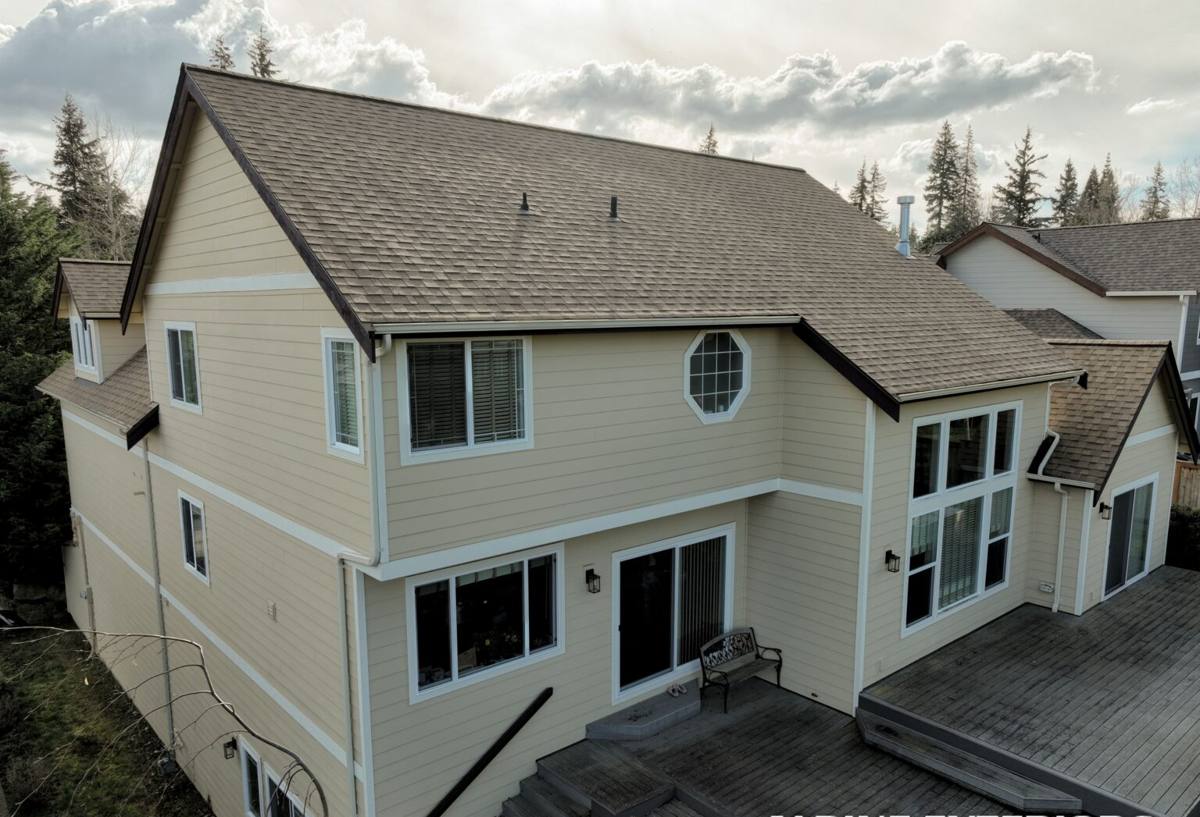
What Seattle's Climate Does to a Rainier Valley Roof
Seattle sits in a marine climate, and the moisture that comes with it doesn't let up for months at a time. On a shaded, tree-covered lot in Rainier Valley, that moisture has extra help staying put.
The main stressors
- Driving rain: Wind-driven rain during winter storms pushes water sideways into laps, seams, and flashing details that a calmer rain would never test.
- Long moss season: Shaded north- and east-facing slopes can stay damp for weeks at a stretch. Moss doesn't just sit on top of shingles — its root structure lifts granules and edges, and moss mats hold water against the roof deck.
- Marine air moisture: The humidity that comes with the Puget Sound region's marine air keeps roofing materials damp longer between rain events, which shortens the working life of anything not built or installed to handle it.
- Debris load: Needles and leaves from the neighborhood's mature trees collect in valleys and behind chimneys, holding moisture against the surface and clogging gutters right when they're needed most.
None of this means a roof is doomed — it means the roofing system needs to be specified and installed with this climate in mind, not just installed to code minimums.
Signs a Rainier Valley Roof Needs Replacing, Not Patching
Not every roof problem calls for a full replacement, and we won't tell you it does. But there's a point where repairs stop making financial sense. Common signs we look for on inspections in this neighborhood:
- Granule loss heavy enough that you can see bare asphalt mat on multiple slopes
- Moss established in the shingle tabs themselves, not just sitting on the surface
- Soft spots or noticeable sag when walking the roof, which usually points to deck damage underneath
- Daylight or water staining visible in the attic near valleys, chimneys, or vent penetrations
- Shingles curling, cupping, or cracking across a broad area rather than one isolated section
- A roof already past 20–25 years old with multiple past repairs
If a roof shows one or two of these in a small area, a targeted repair is often the honest answer. When several show up together, or the roof is old enough that a repair would just be a stall tactic, replacement is the more cost-effective path — you stop paying for repeat service calls on a system that's reached the end of its useful life.
What a Correct Roof Replacement Includes
A roof replacement that's built to hold up in this climate is more than tear-off and new shingles. Here's what should happen on every job, whether the homeowner sees it or not:
Tear-off and deck inspection
Old roofing comes off down to the deck so it can actually be inspected — not covered over. Any soft, delaminated, or water-damaged sheathing gets replaced before anything new goes down. Skipping this step is the single most common shortcut that leads to early failure.
Underlayment suited to a wet climate
Given how much of the year Seattle spends under rain, we use underlayment systems built for sustained wet exposure, with ice-and-water shield style membrane at eaves, valleys, and any low-slope transitions where wind-driven rain is most likely to find a way in.
Flashing detail work
Most roof leaks trace back to flashing, not the field shingles. Chimneys, skylights, sidewalls, and valleys all get new flashing — not old flashing reused under new shingles, which is a common corner-cutting move that shows up as a leak within a year or two.
Ventilation that matches the home
Balanced intake and exhaust ventilation keeps moisture from condensing in the attic during our long damp stretches. A roof deck that stays wet from the inside will fail early no matter how good the shingles above it are.
Material selection for moss and moisture resistance
On shaded lots we'll talk through options like algae-resistant shingles and, where it fits the home and budget, metal roofing — which sheds moisture and resists moss buildup better than asphalt on the shadiest sections.
Roofing Material Comparison for This Climate
| Material | Moss/Moisture Resistance | Typical Lifespan (Seattle climate) | Best Fit |
|---|---|---|---|
| Standard asphalt shingle | Moderate — needs algae-resistant granules on shaded roofs | 18–22 years | Most homes, budget-conscious replacements |
| Architectural/laminate shingle | Good with algae-resistant treatment | 25–30 years | Homes wanting better appearance and durability |
| Standing seam metal | Excellent — sheds water and resists moss growth | 40–50+ years | Heavily shaded lots, steep-slope homes, long-term owners |
| Cedar shake | Poor without diligent maintenance in wet shade | Varies widely; high upkeep | Only where upkeep and cost are acceptable trade-offs |
We're honest about cedar shake in a neighborhood like this: it can look great, but in shaded, damp conditions it demands more maintenance than most homeowners want to keep up with, and moisture retention is a real long-term concern. That's a maintenance and moisture-behavior trade-off, not a knock on the product itself — it just isn't the right fit for every lot.
Our Process for a Rainier Valley Roof Replacement
- Inspection and honest assessment — we walk the roof, check the attic, and tell you plainly whether you need a replacement or a repair.
- Written estimate — clear scope, material options, and pricing before any work starts, so there are no surprises mid-project.
- Tear-off and deck check — old roofing removed, deck inspected and repaired as needed.
- Underlayment, flashing, and ventilation install — the parts of the job that determine how long the roof actually lasts.
- New roofing installed — to manufacturer specification, not shortcuts, so warranty coverage stays intact.
- Cleanup and final walkthrough — site cleared, magnetic sweep for nails, and a walkthrough so you know exactly what was done.
Why Local Experience in Rainier Valley Matters
A roofing crew that regularly works Rainier Valley knows the housing stock — the roof pitches common to its ramblers and bungalows, the way tree cover sits on specific streets, and which slopes tend to hold moss the longest. That familiarity shows up in small but real ways: knowing to check a particular flashing detail common on homes of a certain era, or recommending ventilation upgrades because we've seen what happens without them on similar homes nearby.
It also means faster response. A crew based in the Seattle area and working King County regularly can get out for an inspection or emergency tarp-and-repair without the multi-day wait that comes with an out-of-area contractor spread thin across the region.
Roof Replacement Checklist for Rainier Valley Homeowners
- Get a full attic and deck inspection, not just a look from the ground
- Ask what underlayment system will be used and why, given our rain season
- Confirm flashing will be replaced, not reused
- Discuss ventilation — especially if the current attic has any musty smell or visible condensation
- Talk through material options honestly, including trade-offs for shaded, moss-prone slopes
- Get the scope and pricing in writing before work starts
- Confirm what warranty coverage applies to both materials and labor
What Affects the Cost of a Roof Replacement
Every roof is different, so we won't quote a number without seeing yours, but a few factors consistently move the price:
- Roof size and number of slopes/planes
- Pitch — steeper roofs take longer and require more safety setup
- Number of penetrations (chimneys, skylights, vents) needing new flashing
- Deck condition — hidden rot or soft sheathing adds material and labor
- Material choice — asphalt, architectural shingle, or metal each carry a different cost per square
- Access — tree cover, tight side yards, or multi-story sections can add setup time
We walk through all of this in the estimate so you understand exactly what's driving the number, not just a total with no explanation behind it.
If your roof is showing its age, or you'd just like an honest read on how much life it has left, we're happy to come take a look. The estimate is free, there's no pressure to book on the spot, and you'll get a straight answer either way — fill out the form below to get started.