 Seattle
 Ballard's Exterior Climate: What Homes Are Really Up Against
Ballard sits close enough to Puget Sound and the Ballard Locks that salt-tinged air is a constant, low-grade factor in how exterior materials age here. Add Seattle's long, wet fall-through-spring stretch of driving rain, frequent wind off the water, and shaded lots under mature evergreens, and you get a set of conditions that punishes the wrong exterior choices faster than drier parts of King County. Moss and algae season here isn't a once-a-year nuisance — on north-facing walls and shaded rooflines, it can be a near-permanent condition unless the materials and the installation account for it.
None of this is exotic. It's the same basic Pacific Northwest marine climate that shapes exterior work across greater Seattle. But Ballard's mix of older housing stock, tight lot spacing, tree cover, and proximity to open water means the moisture load and salt exposure show up a little earlier and a little harder than in some inland neighborhoods. That matters when you're deciding what siding, roofing, windows, and decking to put on a house that's going to sit through forty or fifty of these wet seasons.
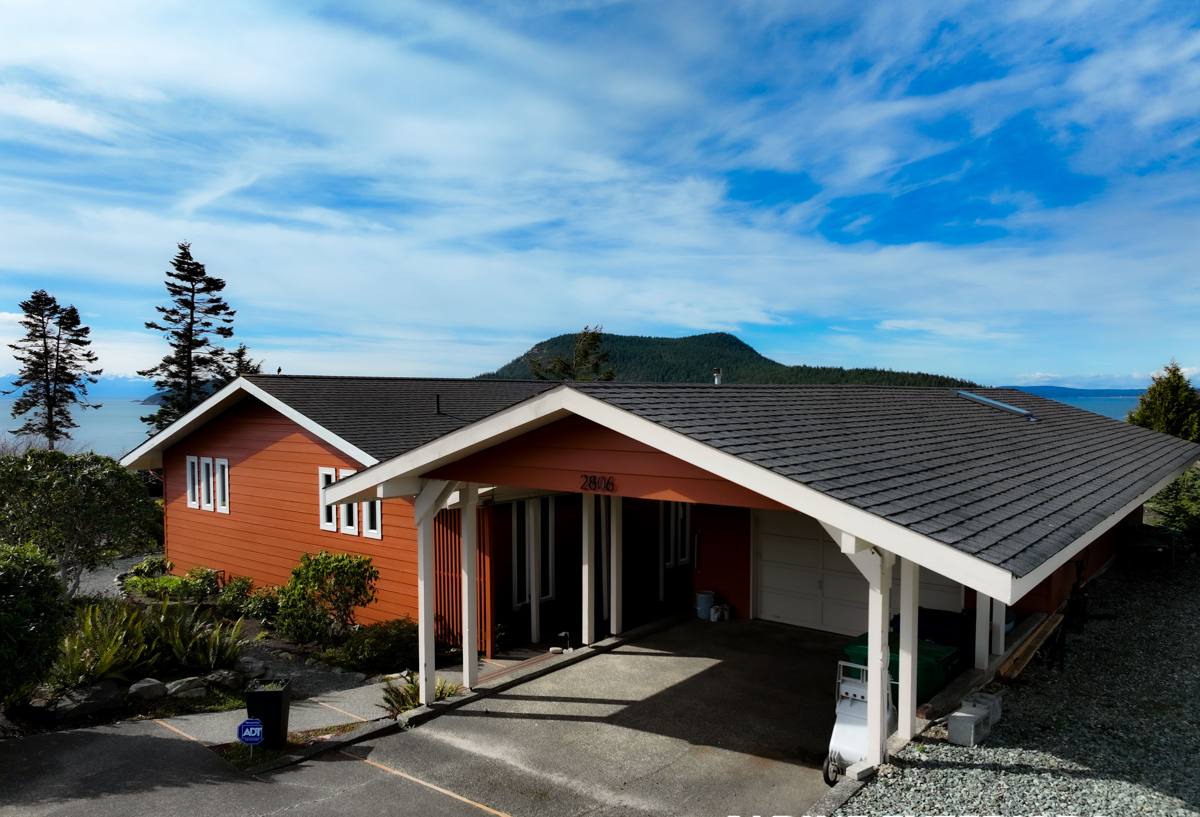
Siding in Ballard: Why Material Choice Is the Whole Ballgame
Constant dampness is the enemy of most siding materials, just in different ways. Wood-based products — including primed spruce and cedar — absorb moisture at cut edges, fastener holes, and any point where the factory coating gets breached during installation or over time. In a climate where surfaces rarely get a long dry stretch to fully release that moisture, this leads to swelling, paint failure, and eventually rot, especially on the shaded, north- and west-facing walls that catch the worst of Ballard's wind-driven rain.
Vinyl siding sheds water well enough on the surface but is a poor match for a climate with big daily temperature swings between damp mornings and any sun exposure — it expands and contracts, and in wind events off the Sound it's more prone to flexing, cracking, or blowing off than a properly fastened fiber cement product. It also doesn't hold color the way a factory-baked finish does, so it tends to look tired well before the house is due for other work.
Why We Only Install James Hardie Fiber Cement
We've made a standing decision not to install LP SmartSide, vinyl, Cemplank, Allura, primed spruce, or cedar. Each of those has legitimate uses somewhere, but for the moisture load and salt air a Ballard home sits in year-round, they carry maintenance burdens or failure modes we're not willing to put our name behind. James Hardie fiber cement is non-combustible, engineered specifically for wet climates through its HZ10 product line, and finished with a factory-applied ColorPlus coating that resists fading and doesn't need repainting on the schedule wood siding does. It also comes with a strong, transferable warranty — useful in a neighborhood where homes change hands regularly.
Fiber cement isn't magic — it still needs to be installed to spec, with correct clearances, flashing, and caulking details, especially around windows and at grade. But the material itself doesn't have the inherent moisture vulnerability that wood and some engineered wood products do, which is the difference that matters most in this climate.
| Material | Moisture Behavior | Maintenance | Our Position |
|---|---|---|---|
| James Hardie fiber cement | Non-combustible, engineered for wet climates (HZ10) | Low — factory finish, no repainting cycle | What we install |
| Cedar / primed spruce | Absorbs moisture at cuts and fasteners | High — regular repainting/sealing | Not installed |
| Vinyl | Expands/contracts, can crack in wind | Low but fades, hard to repair invisibly | Not installed |
| LP SmartSide / Cemplank / Allura | Varies by product; different moisture and warranty tradeoffs than Hardie | Moderate | Not installed |
Roofing: Moss, Shade, and Wind Off the Water
Ballard's tree canopy and proximity to the water combine to create ideal conditions for moss and algae growth on roofs, particularly on north-facing slopes that rarely see direct sun. Left unaddressed, moss holds moisture against roofing material, works its way under shingle edges, and accelerates wear well ahead of a roof's expected lifespan. Regular moss treatment and gutter clearing matter more here than in drier, sunnier parts of the region.
Wind is the other factor. Storms moving in off Puget Sound can produce sustained gusts that test flashing, ridge caps, and shingle fastening. A roof that's properly installed — with attention to underlayment, flashing details at valleys and penetrations, and secure fastening — handles this without drama. A roof with shortcuts in any of those areas tends to show leaks at exactly the points you'd expect: chimneys, skylights, and valleys.
What We Look At on a Ballard Roof Inspection
- Moss and algae buildup, especially on shaded and north-facing slopes
- Gutter and downspout condition — clogged gutters back water up under roofing edges
- Flashing at chimneys, skylights, and roof-to-wall intersections
- Attic ventilation, which affects both moisture buildup and moss growth from the underside
- Overall shingle or roofing material condition relative to age
Windows: Sealing Out a Wet, Windy Climate
Older Ballard homes often carry original or early-replacement windows that were never built to the sealing standards available today. In a climate with sustained damp periods and wind-driven rain, gaps around window frames don't just cost you on heating bills — they're a direct path for moisture intrusion into wall cavities, which is one of the more expensive problems a homeowner can face if it goes unnoticed for years.
Window replacement in this neighborhood is as much about the installation as the product. Correct flashing integration with the surrounding wall assembly — whether that's existing siding or new Hardie siding going on at the same time — is what actually keeps water out. We treat window and siding work as connected problems for exactly this reason: a window installed without proper integration into the siding's water management plan can undermine an otherwise good siding job.
Decks: Built for Rain, Not Just Sun
A deck in Ballard spends most of the year wet, not sunny, which changes the calculus on materials and construction details. Ledger board attachment and flashing where the deck meets the house is the single most common failure point we see — it's a spot where wood-to-house connections trap moisture if not detailed correctly, and it's largely invisible until there's a structural problem. Proper flashing tape, correct fastener spacing, and adequate slope for drainage all matter more here than they would in a dry climate.
Composite decking has become the practical choice for a lot of Ballard homeowners precisely because it doesn't need the sealing and staining cycle that wood decking does in a climate that rarely gives you a long dry window to do that work properly. Wood decking can still be the right call for homeowners who want that specific look and are prepared for the upkeep — but it's an ongoing commitment in this weather, not a one-time install.
Deck Maintenance Checklist for Wet Climates
- Inspect ledger board flashing annually for signs of water staining or soft wood
- Keep deck surfaces clear of wet leaves and debris that trap moisture against boards
- Check that drainage slope is still adequate — decks can settle over time
- Re-seal or re-stain wood decking on the schedule the product actually requires, not when it's convenient
- Look for moss buildup on shaded deck areas, which signals a spot that isn't drying out between rains
Why a Local Crew Matters for Ballard Homes
Exterior work in this neighborhood benefits from a crew that's dealt with the specific combination of salt air, tree-shaded lots, and older housing stock repeatedly — not generic Pacific Northwest experience, but the particular quirks of homes sitting this close to the water. That includes knowing which walls typically take the worst weathering, how much moss pressure to expect on north-facing surfaces, and how older Seattle-area framing tends to respond when siding or windows come off during a project.
It also means being available for the follow-up work — a warranty question, a moss treatment recommendation, a flashing detail that needs a second look — without the homeowner having to explain their whole house and neighborhood from scratch to someone new every time.
How We Approach a Project in Ballard
Every job starts with an honest look at what's actually happening on the house — where moisture is getting in, where past repairs may have missed the real issue, and what the existing siding, roofing, windows, or deck are telling us about how the house handles this climate. From there we scope the work around materials and installation details built for exactly these conditions, not generic specs pulled from a drier region.
For siding specifically, that means James Hardie fiber cement, installed to manufacturer spec with proper flashing and clearances — not because it's the only product on the market, but because it's the one we're confident holding up through Ballard's wet seasons for decades without the maintenance burden or moisture vulnerability of the alternatives.
If you're weighing exterior work on a Ballard home — whether it's a full siding replacement, a roof that's showing its age, aging windows, or a deck with a soft spot near the house — we're happy to take a look and give you a straight, no-pressure assessment. Reach out for a free estimate using the form below.