 Seattle
 Ballard Decks Work Harder Than Decks in Drier Climates
A deck in Ballard doesn't have an easy life. Between the salt air coming off the water, months of steady rain, and a moss season that seems to stretch longer every year, the wood, fasteners, and footings underneath a deck take a beating that homeowners in drier parts of the country never have to think about. That's not a reason to avoid building one — it's a reason to build it correctly the first time, with materials and details chosen for this specific climate rather than a generic build sheet.
We work on decks across Seattle and King County regularly, and Ballard's mix of older homes, tight lots, and marine exposure gives it its own set of demands. This page covers what actually matters for a Ballard deck: the moisture and salt exposure, the structural details that keep a deck sound for decades instead of years, material choices with honest trade-offs, and what our process looks like from first call to final walkthrough.
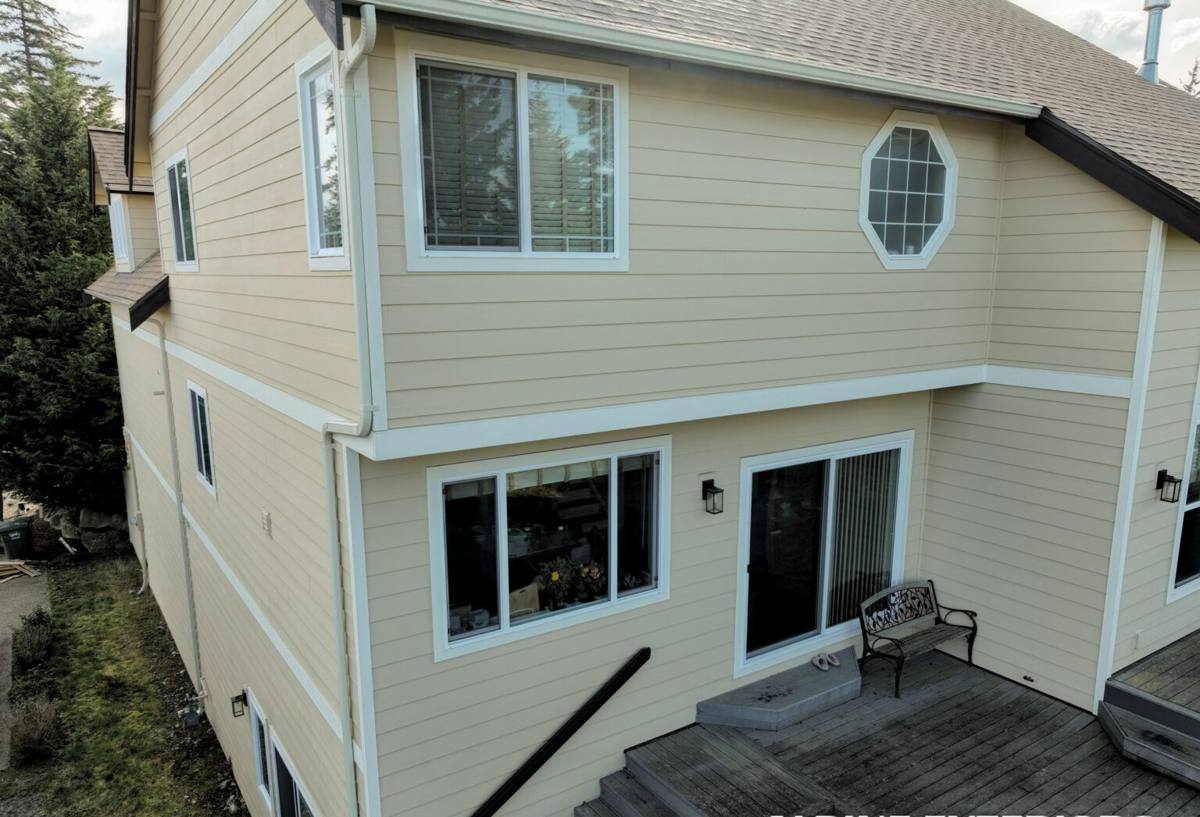
What the Climate Actually Does to a Deck
Salt-laden air accelerates corrosion on any metal it touches — fasteners, brackets, post bases, railing hardware. A deck built with the wrong hardware can look fine for a couple of seasons and then start showing rust streaks, loosening connections, or staining on the decking itself right where a screw head sits. Driving rain, meanwhile, doesn't just fall straight down here — wind-driven rain gets pushed sideways into ledger connections, under railings, and into any gap that wasn't properly flashed or sealed. And moss doesn't just grow on roofs; it takes hold anywhere organic debris sits damp for weeks at a time, which on a deck usually means between boards, in corners, and on the north or shaded side of the structure where sun never really dries things out.
Where This Shows Up First on a Poorly Built Deck
- Rust bleeding from fastener heads or bracket edges within a few years
- Soft or discolored decking near the house where the ledger meets the wall
- Green or black growth in board gaps and shaded corners that never fully dries
- Loose railing posts where connection hardware has corroded
- Standing water or slow drainage under low-clearance decks, feeding rot in the framing above
What a Correctly Built Deck Needs Here
None of the problems above are inevitable — they're the result of shortcuts. A deck built for this climate needs a handful of details done right, every time, not just when it's convenient.
Ledger Flashing and Waterproofing
The ledger board — where the deck attaches to the house — is the single most common source of hidden rot on any deck, and it's the connection most exposed to wind-driven rain. Proper flashing, correctly lapped with the house's water-resistive barrier or siding, keeps water from tracking behind the ledger and into the wall framing. This is a detail that's invisible once the deck is finished, which is exactly why it gets skipped by crews trying to save time.
Fasteners and Hardware Rated for Marine-Adjacent Exposure
Standard galvanized hardware is not enough this close to salt water. Stainless steel or heavy-duty coated fasteners and structural connectors cost more up front and pay for themselves by not corroding, staining, or failing early. This applies to every screw, joist hanger, post base, and railing bracket on the structure.
Joist Tape and Framing Protection
Covering the tops of joists and beams with a self-adhering flashing tape before decking goes down keeps standing water out of the wood fiber where fasteners penetrate — the single biggest point of moisture entry into structural framing. It's inexpensive relative to the total project cost and meaningfully extends the life of the frame underneath.
Drainage and Airflow Underneath
Decks built low to the ground or over patios need real attention to grading, gaps, and airflow so water moves away from the structure instead of pooling under it. Trapped moisture under a deck is a slow, quiet way for framing to rot from below where nobody's looking.
Choosing Decking Material for a Ballard Property
There's no universally "correct" material — it's a trade-off between upfront cost, ongoing maintenance, and how the material handles constant moisture and salt exposure. Here's how the common options actually compare for a home in this climate.
| Material | Upfront Cost | Maintenance | Moisture & Salt Air Performance |
|---|---|---|---|
| Pressure-treated lumber | Lowest | Annual cleaning, periodic sealing/staining | Decent if maintained; neglect leads to graying, splintering, and moss buildup |
| Cedar | Moderate | Regular sealing to hold color and prevent moisture uptake | Naturally rot-resistant but still needs upkeep in constant damp conditions |
| Composite decking | Higher | Occasional washing; no staining or sealing | Strong moisture resistance; quality varies by product line and capping |
| PVC / capped composite | Highest | Lowest — mainly rinsing off debris and moss | Best overall resistance to moisture, staining, and mildew growth |
Composite and PVC products have gotten far better at shedding moisture and resisting mold than older generations of the material, which matters in a climate where boards rarely get a long stretch to fully dry out. Wood is still a legitimate choice for homeowners who want that look and are willing to stay on top of maintenance — the honest trade-off is time and upkeep versus material cost.
A Word on Fastening Methods
Hidden fastener systems (clips that hold boards from the sides rather than screws through the face) give a cleaner look and eliminate the screw-head corrosion staining that shows up over time with face-screwed decking. They're worth discussing regardless of which decking material you choose.
Design Considerations for Ballard Lots
Ballard's residential lots tend to run narrower and closer together than some other Seattle neighborhoods, which shapes deck design in practical ways. Multi-level decks are common on sloped or split-level lots, which means more structural connections, more railing, and more flashing details to get right — every added level is another place for water intrusion if it's not built carefully. Privacy is also a bigger factor on tighter lots, and screening or partial railing solutions need to be planned in a way that doesn't trap moisture or block airflow along the deck's edges.
Wind exposure varies a lot block to block depending on how open a lot is to the water and prevailing weather — something worth walking through on site rather than assuming based on a neighbor's setup.
Our Process, Start to Finish
- On-site consultation — we look at the actual lot, grade, house connection point, and sun/shade exposure before recommending anything.
- Design and material discussion — honest trade-offs on wood versus composite versus PVC based on your budget and maintenance appetite, not a sales pitch toward the highest-margin product.
- Permitting — we handle the permit process for the scope of work that requires it under Seattle and King County requirements.
- Framing and flashing — ledger flashing, joist tape, and corrosion-resistant hardware installed as standard practice, not an upsell.
- Decking and railing installation — built to the manufacturer's specifications for whatever material you've chosen, including proper board spacing for drainage and expansion.
- Final walkthrough — we go over the finished deck with you, including what maintenance it actually needs going forward.
Permits and Code Basics for a Seattle Deck
Most deck projects in Seattle that involve structural framing, are elevated above a certain height, or attach to the house require a building permit, along with guardrail height and spacing requirements once a deck reaches a certain elevation. Requirements can vary depending on the specifics of the lot and structure, which is why we handle the permit review as part of the project rather than leaving it for the homeowner to sort out separately. Skipping required permits can create real problems at resale, so it's not a step worth cutting corners on even when it adds time up front.
Keeping a Ballard Deck in Good Shape Year to Year
Even a well-built deck needs some seasonal attention in this climate. The goal is mostly about not letting moisture and organic debris sit in one place too long.
- Sweep leaves and debris out of board gaps regularly, especially in fall
- Rinse or lightly scrub moss and algae off the surface before it gets established, particularly in shaded areas
- Check railing posts and hardware once a year for looseness or early corrosion
- Reseal or restain wood decking on the manufacturer or product-appropriate schedule — don't wait for visible graying
- Keep gutters and downspouts near the deck clear so runoff isn't dumping extra water onto or under the structure
- Confirm drainage under low-clearance decks isn't blocked by planting beds, mulch, or debris buildup
Why a Crew That Already Works Ballard Matters
A deck built by a crew that hasn't worked in this specific climate often looks fine on completion day and starts showing problems two or three winters in — corroding hardware, a ledger connection that was never properly flashed, decking that traps moss because spacing wasn't set with drainage in mind. Working regularly in Seattle and King County means knowing which hardware and flashing details are worth the extra cost here, understanding how local permitting actually works, and having a real sense of how a specific lot's exposure to wind, rain, and salt air will treat different materials over time. That local pattern-recognition is hard to substitute for.
If you're planning a new deck or replacing one that's showing its age, we're happy to walk the property with you and talk through what makes sense for your home — no pressure, no obligation. Fill out the form below to set up a free estimate.