 Seattle
 Why "Price Per Square Foot" Doesn't Tell You Much
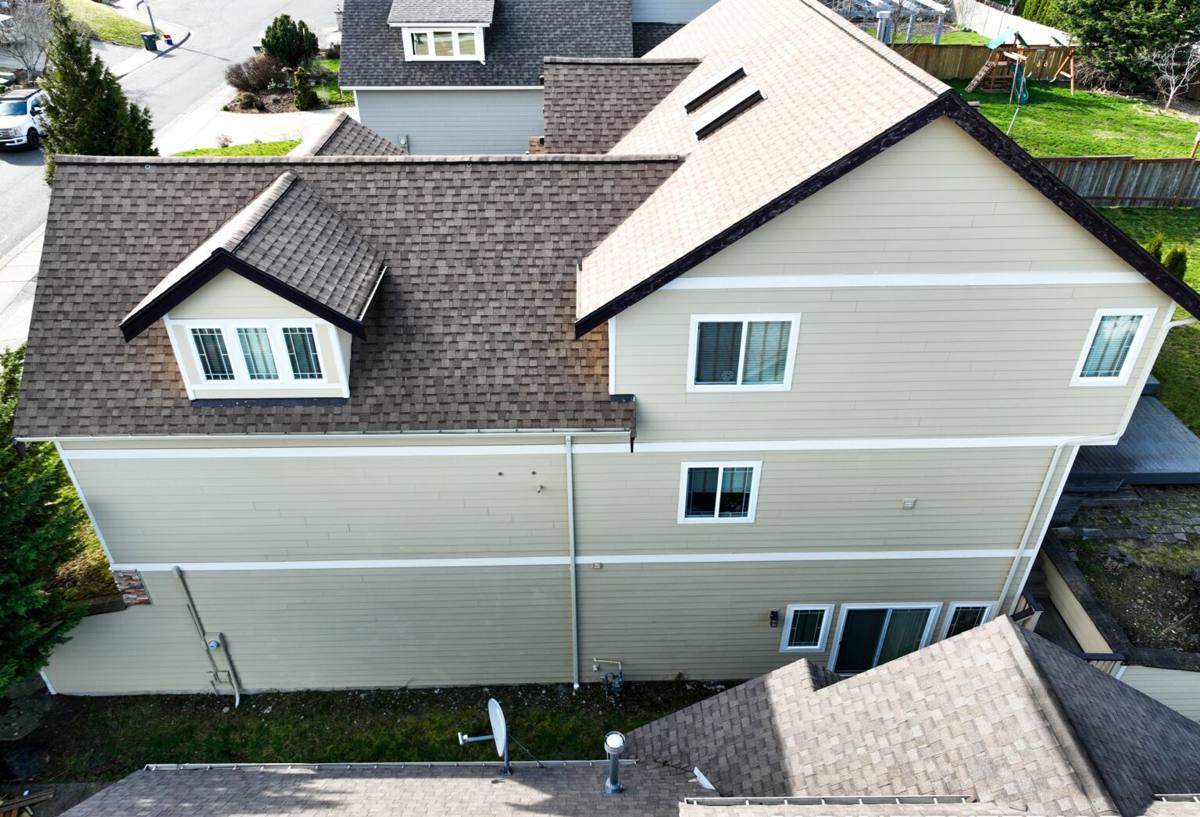
Ask five contractors what siding costs in Seattle and you'll get five different numbers, usually quoted as a price per square foot. The problem is that number hides more than it reveals. A per-square-foot figure assumes a simple, single-story rectangle with no rot, no old siding to remove, and no unusual trim work. Almost no house in King County actually looks like that, especially the older housing stock common in neighborhoods like Ballard, Wallingford, and West Seattle, where additions, dormers, and decades of prior repairs have made every wall a little different from the next.
A more honest way to think about siding replacement is as a bundle of separate cost drivers that stack on top of each other. Some of those drivers are obvious before a contractor ever shows up. Others only surface once the old siding comes off the wall. Understanding both categories is what lets you compare bids apples-to-apples instead of just picking the lowest number on a page.
The Core Cost Drivers
Regardless of which contractor you hire or which material you choose, the same handful of factors move the price up or down on almost every job.
| Cost Driver | Why It Matters |
|---|---|
| Total square footage | The most obvious factor, but gables, dormers, and bump-outs add wall area that doesn't show up in a simple footprint calculation. |
| Tear-off vs. overlay | Removing and disposing of old siding costs more up front but lets the crew inspect and fix the wall underneath — something you can't do if new siding just gets installed over the old. |
| Number of stories and roof lines | Second-story work, steep pitches, and cut-up rooflines require more scaffolding, staging, and time. |
| Trim and architectural detail | Corner boards, window trim, frieze boards, and shadow lines all add labor hours that a plain flat wall doesn't need. |
| Water/moisture damage found underneath | Rotted sheathing or framing has to be repaired before new siding goes on — this is the single biggest source of change orders. |
| Material choice | Vinyl, engineered wood, cedar, and fiber cement all carry different material and installation costs. |
| Finish | Field-painted siding needs paint and labor on top of the material; factory-finished siding builds that cost into the product itself. |
What Material You Choose Changes the Math
Vinyl
Vinyl is usually the cheapest material and the fastest to install, which is why it's still common on production homes. The trade-off is that it's a thin, flexible product that can warp in direct sun, crack in a hard impact, and fade over time — and in a climate with as much driving rain as Seattle's, seams and butt joints are places water likes to find a way in.
Engineered Wood (LP SmartSide and similar)
Engineered wood products install a lot like traditional wood lap siding and give a similar look at a lower material cost than cedar. They're wood-based, which means the long-term performance depends heavily on keeping every cut edge, seam, and fastener properly sealed — a detail that matters even more here given how many wet months King County gets in a row.
Cedar
Real cedar has a genuine appeal and a long history in this region, but it's also the most maintenance-intensive option: regular refinishing, vulnerability to moisture and pests, and a real risk of cupping or splitting if it isn't kept sealed. In a marine climate with salt air and near-constant moisture, that maintenance schedule tends to get more demanding, not less.
Fiber Cement (James Hardie)
This is the only siding material we install, and cost is part of the reason why. Fiber cement sits in the middle of the material-cost range — more than vinyl, generally less than premium cedar once you account for cedar's ongoing upkeep — but it's non-combustible, dimensionally stable, and holds up to sustained wet weather without the swelling, warping, or rot risk that wood-based products carry. James Hardie's ColorPlus factory finish also removes field painting from the cost equation for the life of the warranty period, which matters a lot when the alternative is repainting a house every several years in a climate that doesn't give you many dry stretches to do it in.
Costs That Only Show Up Once the Wall Is Open
This is the category that turns an estimate into a final invoice, and it's the one homeowners are least prepared for.
Rot and water damage
Seattle's combination of driving rain and long wet seasons means moisture has had a lot of time to find any gap in flashing, caulking, or old siding laps. Rotted sheathing, soft framing around windows, and compromised weather barriers are common finds once old siding comes off — and they have to be repaired before anything new goes up.
Older siding materials
Homes built before the 1980s in this area sometimes have older hardboard or cement-asbestos siding underneath more recent layers. If that's present, it changes the removal and disposal process and the cost that comes with it, and a reputable contractor will flag it before work starts rather than after.
Missing or outdated moisture management
Older King County homes were often built without a proper rain screen gap or modern weather-resistive barrier. Bringing the wall assembly up to current best practice — which matters enormously given how much rain this region gets — is additional work that a bare material price doesn't include.
Labor Practices That Affect Both Price and Longevity
Two crews can install the same material for very different prices, and the gap usually comes down to what's happening behind the siding, not just on the surface.
- Proper flashing at windows, doors, and every horizontal trim break
- A continuous weather-resistive barrier with correctly lapped and taped seams
- A rain screen or drainage gap that lets any moisture that does get behind the siding drain and dry out
- Correct fastener type, spacing, and penetration depth for the specific material
- Manufacturer-specified clearances at grade, roof lines, and decks
Cutting corners on any of these lowers the bid but raises the odds of a callback, a warranty denial, or a wall that fails early. Given how much moss, sustained moisture, and salt-tinged coastal air this region deals with over a siding system's lifetime, the installation details underneath the surface matter as much as the material itself.
Permits and Local Code Considerations
Most full siding replacements in Seattle and unincorporated King County require a permit, particularly when work includes sheathing repair, moisture barrier replacement, or changes to the wall assembly. Permit and inspection costs are a small part of the overall budget, but they exist for a reason: they create a record that the work meets current code, which matters both for safety and for resale. A contractor's quote should account for permitting rather than treat it as an optional add-on.
The Long-Term Cost, Not Just the Install Price
The sticker price on a siding job is only part of what a homeowner actually pays over time. Field-painted materials need repainting on a recurring cycle, and in a climate where extended dry stretches are limited, that work is harder to schedule and often more expensive than homeowners expect. Materials prone to moisture absorption or moss growth need more frequent cleaning and closer monitoring, especially through the long stretch of wet months this area sees every year. Factory-finished fiber cement removes most of that recurring cost from the picture, along with a manufacturer warranty that's transferable if the home sells before the coverage period ends — a detail worth asking about with any material, since warranty terms vary widely and not all of them survive a change in ownership.
How to Get a Quote You Can Actually Compare
The biggest mistake homeowners make is comparing bottom-line numbers without knowing what's included in each one. Before signing anything, it's worth getting clarity on the following:
- Is old siding being removed (tear-off) or covered (overlay), and is that spelled out in writing?
- Does the quote include repair of any rot or water damage found once the wall is open, or is that a separate change order?
- What weather-resistive barrier and rain screen approach is included?
- Is the finish factory-applied or field-painted, and who is responsible for future repainting?
- Are permit fees included in the price or listed separately?
- What does the manufacturer's warranty cover, and does it transfer to a future owner?
- Is the crew installing to the manufacturer's published specifications, and will that be documented?
A contractor who can answer all of these clearly, in writing, before work starts is giving you a real estimate. One who can't is giving you a guess.
What This Means for Your Project
Every house in Seattle carries its own combination of age, exposure, and prior repair history, which is exactly why a reliable cost estimate has to start with someone actually looking at your walls — not a generic per-square-foot number pulled from a national average. If you'd like a straightforward, no-pressure look at what your home's siding project would actually involve, we're glad to walk it with you and put together a clear, itemized estimate.