 Seattle
 Metal Roofing Built for Ballard's Marine Climate
Ballard sits close enough to the water that salt-laden air, wind-driven rain, and long stretches of damp shade are just part of owning a home here. Roofs in this neighborhood work harder than roofs ten miles inland. Between the Sound's moisture, the tree cover in the older residential blocks, and King County's wet season that can stretch from October well into spring, a roof that isn't matched to the environment ages faster than it should. Metal roofing, installed correctly, is one of the more durable answers to that problem — but "installed correctly" is doing a lot of work in that sentence, and it's where most of the value (or the disappointment) actually comes from.
This page covers what metal roofing means specifically for Ballard homes: the failure points we see most often, what a proper installation includes, and how to think about the investment.
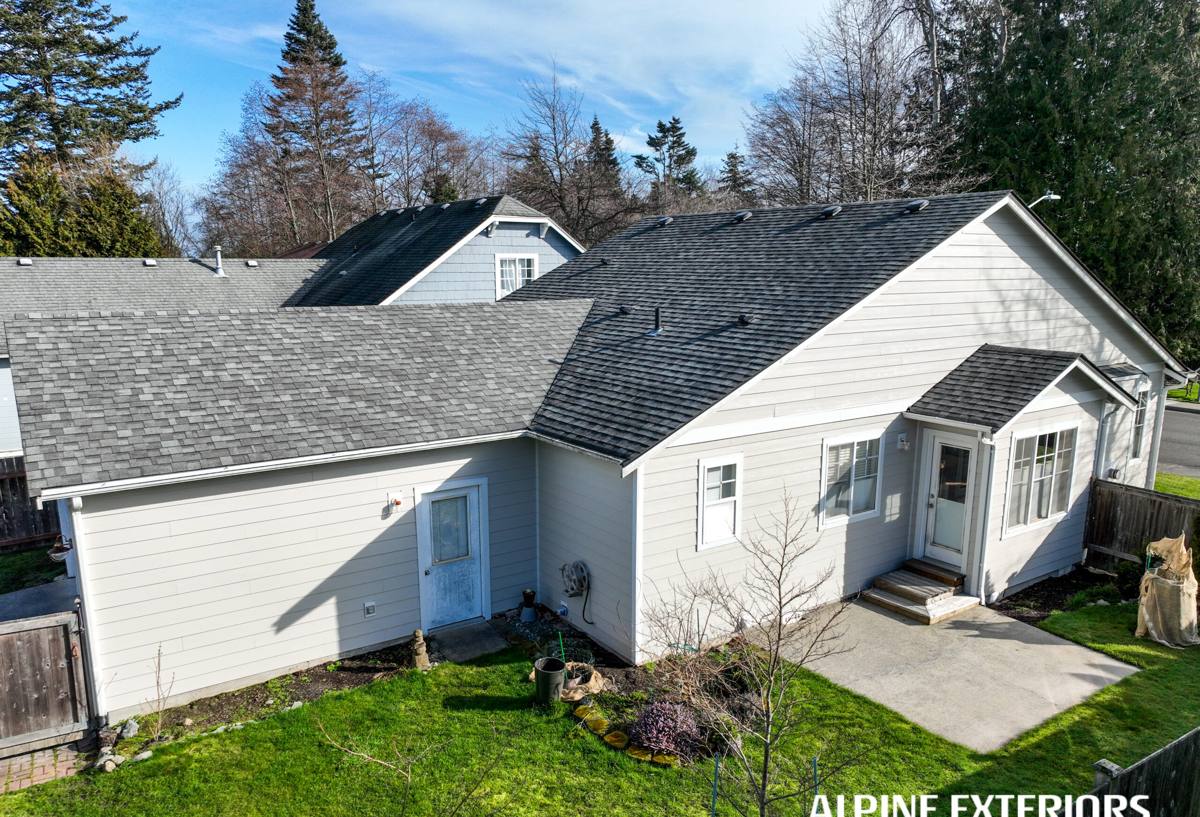
What Ballard's Climate Actually Does to a Roof
Salt Air and Corrosion
Proximity to Puget Sound means airborne salt is a real factor for exterior metal, fasteners, and flashing — even a few miles inland, wind can carry enough moisture to accelerate corrosion on lower-grade materials over the years. This doesn't mean metal roofing is a bad fit; it means material selection and fastener quality matter more here than they would in a drier, inland climate.
Driving Rain and Wind-Driven Water
Seattle's rain doesn't always fall straight down. Storms off the Sound frequently push rain sideways against roof planes, which means underlayment, seam design, and flashing details at penetrations and edges carry more of the waterproofing burden than they would in a calmer climate. A roof that would perform fine in a low-wind region can leak in Ballard if those details were rushed.
Moss and Prolonged Dampness
Tree cover and shaded north-facing slopes in older Ballard blocks keep roof surfaces damp for extended periods, which is exactly what moss needs to establish. On traditional roofing materials, moss holds moisture against the surface and works into seams over time. Metal roofing doesn't stop moss from landing on a roof, but its smooth, non-porous surface and tight seams give moss far less to grip onto and far less organic debris to root in compared to a rougher surface, which meaningfully cuts down on the moss burden over the roof's life.
Why Metal Roofing Fits This Neighborhood
- Long service life relative to traditional roofing, which matters when weighing upfront cost against decades of King County weather
- Smooth surface sheds rain and snow quickly, reducing the standing moisture that feeds moss and algae
- Excellent wind performance when properly fastened — relevant given the exposure some Ballard lots have to Sound-driven gusts
- Non-combustible, which is a meaningful consideration as wildfire smoke seasons have become a more regular part of Pacific Northwest summers
- Low ongoing maintenance compared to materials that need regular moss treatment and granule monitoring
What a Correct Metal Roofing Job Involves
Tear-Off and Deck Inspection
We don't install new roofing over hidden problems. Once the old roofing is off, we inspect the deck for soft spots, rot, or prior water damage — common on homes that have carried moss or trapped moisture for years. Any compromised sheathing gets replaced before anything new goes down. Skipping this step is one of the most common reasons a new roof underperforms.
Underlayment Selection
Given how much wind-driven rain Ballard sees, we use underlayment rated for the exposure rather than defaulting to the cheapest compliant option. In vulnerable areas — eaves, valleys, and low-slope transitions — synthetic or self-adhering ice-and-water-style membranes give an extra layer of protection against wind-pushed moisture that can work under standard felt.
Panel and Fastener Selection
Not all metal roofing is the same, and not all fasteners hold up the same way near salt air. We select panel gauges, coatings, and fastener materials suited to a marine-influenced climate rather than a generic inland spec. This is one of the areas where corners get cut on lower-bid jobs, and it's also the area most likely to cause premature corrosion or fastener back-out down the line.
Seams, Flashing, and Penetrations
Chimneys, vents, skylights, and valleys are where the overwhelming majority of roof leaks originate — on any roofing type. On a metal roof, flashing has to be formed and fastened to allow for thermal movement while staying watertight through wind-driven storms. This is detail work that separates a roof that performs for decades from one that develops slow leaks within a few years.
Ventilation
Proper attic and roof ventilation keeps moisture from condensing under the roof deck — a real risk in a climate as damp as this one. We check existing ventilation as part of the job and correct it where it's inadequate, rather than installing new roofing over an attic that's already trapping moisture.
Comparing Roofing Approaches for a Ballard Home
| Factor | Standard Asphalt Shingle | Metal Roofing |
|---|---|---|
| Typical lifespan | 20–25 years | 40–60+ years, depending on system and maintenance |
| Moss resistance | Lower — porous surface holds moisture and debris | Higher — smooth surface sheds moss growth medium |
| Wind-driven rain performance | Adequate with proper installation | Strong, when seams and flashing are correctly detailed |
| Maintenance needs | Periodic moss treatment, granule loss over time | Occasional inspection, minimal routine maintenance |
| Upfront cost | Lower | Higher, offset by longevity |
| Salt air durability | Moderate | High, when coatings and fasteners are matched to the environment |
Neither option is universally "better" — the right choice depends on the home's exposure, roof pitch, budget horizon, and how long the owner plans to stay in the house. Part of a proper estimate is walking through that trade-off honestly rather than pushing one system regardless of fit.
Cost Factors Specific to This Job
Every metal roofing quote should reflect the specifics of the home, not a flat per-square-foot number pulled from a generic price list. The factors that actually move the number on a Ballard job include:
- Roof pitch and complexity — multiple valleys, dormers, or chimneys mean more flashing labor
- Current deck condition, which isn't fully known until tear-off
- Panel profile and coating grade selected for salt-air durability
- Existing moss or moisture damage requiring deck repair or added ventilation work
- Access — lot size, tree cover, and parking constraints common in denser Ballard blocks
Our Process for Ballard Homeowners
1. On-Site Assessment
We walk the roof and attic, not just the exterior. Moisture issues in this climate often show up in the attic before they're visible from the ground, and we want to see the deck condition and ventilation setup before quoting anything.
2. Honest Scope and Estimate
We explain what the roof actually needs — including if a repair or partial re-roof makes more sense than a full metal replacement for a given budget or timeline. A no-pressure estimate means we're not selling the biggest job available; we're recommending the right one.
3. Installation
Tear-off, deck repair as needed, underlayment matched to exposure, and panel installation with attention to every seam, valley, and penetration — done by a crew that installs this system regularly in this exact climate, not occasionally.
4. Final Walkthrough
Before we consider the job done, we walk the finished roof with the homeowner, review the ventilation and flashing work, and make sure everything performed is visible and understood — not just signed off on paper.
Why Local Experience in Ballard Specifically Matters
A crew that works Ballard regularly already knows which streets sit close enough to the water to warrant upgraded fastener and coating specs, which blocks have heavy tree cover that demands extra attention to moss-prone valleys, and how local permitting and inspection processes actually run in Seattle and King County. That's different from a crew that installs metal roofs occasionally across a wide, varied service area and treats every job the same way. Climate-specific judgment calls — underlayment grade, fastener material, ventilation corrections — come from having actually seen how roofs in this neighborhood age, not from a general specification sheet.
Signs Your Current Roof May Already Be Behind
- Moss buildup returning within a year or two of cleaning
- Visible sagging or soft spots when walking the roof or attic floor
- Water stains on interior ceilings, especially near chimneys or valleys
- Granule accumulation in gutters (a sign of aging asphalt shingles)
- Rusting or loose flashing around vents and chimneys
- Persistent damp or musty smell in the attic
None of these mean a metal roof is automatically the answer, but they're worth having looked at before another wet season goes by.
Get a Straight Answer About Your Roof
If you're weighing metal roofing for a Ballard home — whether it's a full replacement, a comparison against re-roofing with traditional materials, or just a second opinion on a roof that's showing its age — we're happy to take a look. The estimate is free, there's no pressure to commit to anything, and you'll get a straightforward read on what your roof actually needs. Use the form below to get started.