 Seattle
 Deck Building in Ballard: What the Neighborhood Actually Needs
Ballard sits close enough to the water that salt air is part of daily life for anything built outdoors. Add Seattle's long wet season and the moss that comes with it, and a deck here is working harder than the same structure would be almost anywhere inland. A deck that looks fine on installation day can start showing problems within a year or two if it wasn't built with this specific combination of conditions in mind. We build decks for Ballard homes with that reality built into every decision, not bolted on afterward.
This page is about one service, done right, in one part of Seattle: new deck construction and full rebuilds for Ballard properties. We're not going to give you a generic national contractor's take on decks. We're going to walk through what actually matters when you're building a deck that has to survive King County's marine climate year after year.
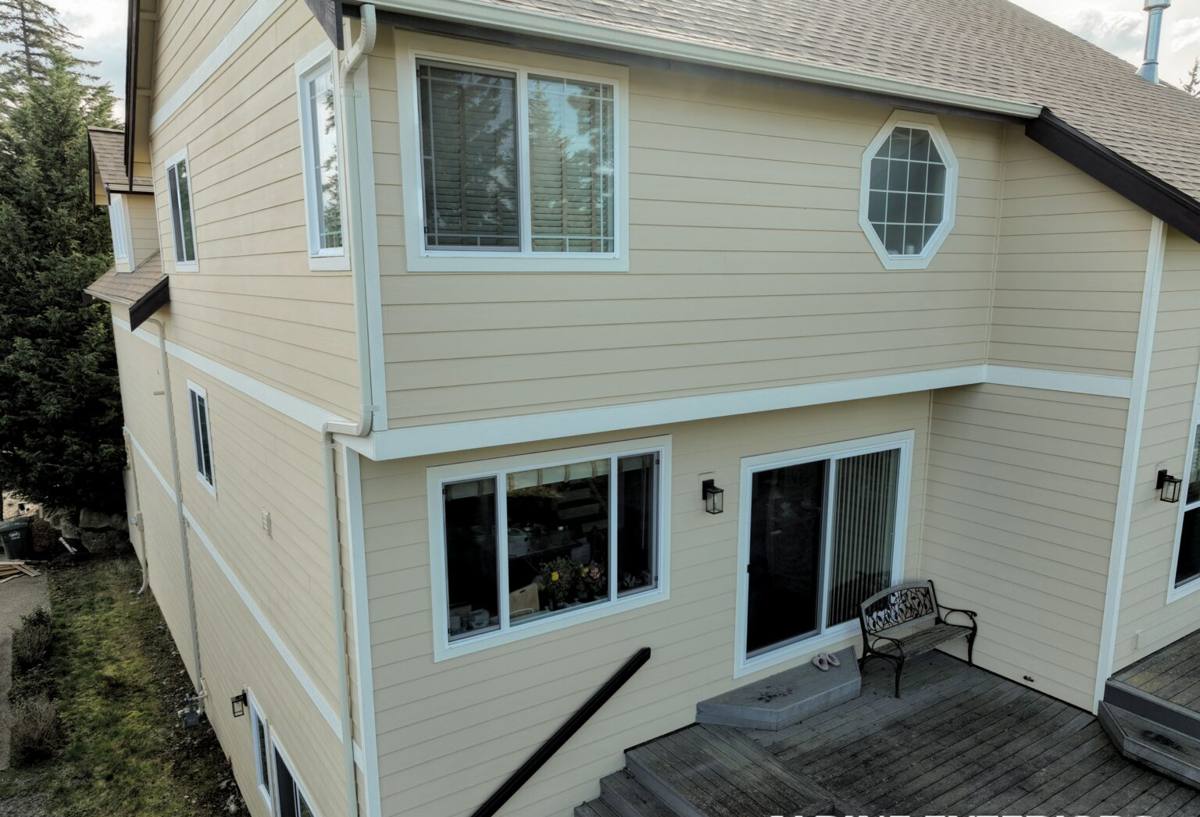
Why Ballard's Climate Is Tougher on Decks Than It Looks
Salt Air and Metal Fasteners
Proximity to Puget Sound means airborne salt settles on everything, including deck hardware. Standard galvanized fasteners can start corroding faster near the water than the same fasteners would inland. Corroding fasteners don't just look bad — they lose holding strength, and a deck ledger board or joist hanger that's quietly failing underneath the boards is a safety issue, not a cosmetic one. This is why fastener spec matters more here than in a lot of the rest of the region.
Driving Rain and Water Intrusion
Seattle rain isn't usually a downpour — it's frequently sideways, low-intensity, and constant for days at a stretch. That kind of rain finds its way into gaps that a heavier, shorter storm never would. Ledger board attachment to the house, flashing details, and board spacing all have to account for water that arrives at an angle and lingers rather than water that falls straight down and runs off quickly.
Moss, Shade, and Slow Drying
Many Ballard lots have mature trees or sit close to neighboring houses, which means partial shade on at least part of the deck for a good chunk of the day. Combined with our long wet season, that shade keeps deck surfaces damp for extended stretches, and damp, shaded wood surfaces are exactly what moss wants. Moss holds moisture against the decking material, and on wood decking specifically, that sustained moisture is a slow path to rot if the structure underneath isn't allowed to dry out between rain events.
What a Correctly Built Ballard Deck Actually Involves
Foundation and Structure
Footings need to be sized and placed for our soil conditions and set below frost depth per King County code. We don't shortcut post spacing or joist sizing to save a little material — undersized framing is one of the most common reasons an older deck starts to feel spongy or uneven within a few years.
Ledger Attachment
Where the deck meets the house is the single most water-vulnerable connection on the whole structure. Correct flashing at the ledger board, proper fastener spacing, and a waterproof barrier between the ledger and the house sheathing are non-negotiable. This is also the detail that's hardest to inspect once the deck is finished, which is exactly why it needs to be done right the first time.
Drainage and Airflow Underneath
A deck that can't dry out underneath is a deck that's slowly rotting from the bottom up. Proper joist spacing, ventilation gaps, and grading underneath the structure let air move and water drain instead of pooling against wood surfaces.
Decking Material Selection
Material choice changes the maintenance conversation more than almost any other decision on the project. We'll walk through the honest trade-offs for your situation rather than push whatever has the best margin.
| Material | Moisture Behavior | Maintenance | Typical Lifespan Here |
|---|---|---|---|
| Pressure-treated wood | Absorbs and releases moisture; needs to dry between rain events | Annual cleaning, periodic sealing | 10–15 years with upkeep |
| Cedar | Naturally moisture-resistant but still organic; can gray or stain in shade | Periodic cleaning and oiling | 15–20 years with upkeep |
| Composite decking | Does not absorb water into the board itself; still needs airflow underneath to prevent mold on the surface | Occasional washing, no sealing needed | 25+ years, warranty-backed |
None of these is automatically "the right answer" — a shaded, moss-prone Ballard yard makes a stronger case for composite or well-ventilated wood than a full-sun lot would. We'll talk through which fits your property and your maintenance appetite honestly.
Our Process for a Ballard Deck Build
1. On-Site Assessment
We look at sun exposure, drainage patterns, existing structure (if it's a rebuild), and how close the site is to the water, since that affects fastener and material recommendations. We measure and photograph what's there before we plan what's next.
2. Design and Material Selection
We talk through layout, decking material, railing style, and any code considerations — height above grade often triggers different railing and guard requirements under King County building code, and we'll flag that early rather than after permitting.
3. Permitting
Most new decks and significant rebuilds in Seattle require a permit. We handle that process rather than leaving it to the homeowner to navigate.
4. Demolition (Rebuilds Only)
For rebuilds, we remove the old structure and inspect the ledger connection and any framing that's being reused, flagging anything that needs replacement before we build on top of it.
5. Framing and Structural Work
Footings, posts, beams, joists, and ledger attachment — the part of the job that never shows once the decking goes down, and the part that matters most for how the deck holds up over the next decade.
6. Decking, Railing, and Finish Work
Board installation, railing, stairs, and any trim or skirting, followed by a final walkthrough with you before we call it done.
Marine-Grade Hardware: Not Optional Here
Given the salt air exposure across most of Ballard, we spec corrosion-resistant fasteners and connectors as our standard for this area rather than treating it as an upgrade. It costs a little more up front and saves the structural integrity of the deck over the years that follow. This is one of those details that's invisible on the day the deck is finished and very visible five or ten years later if it was skipped.
Signs an Existing Ballard Deck Needs Attention
- Soft or spongy spots underfoot, especially near the house or at stair landings
- Visible moss or persistent green staining on the deck surface, particularly in shaded areas
- Rust streaks around fastener heads or connector plates
- Gaps or separation where the deck meets the house siding
- Railings that flex or feel loose when pushed
- Standing water that doesn't drain within an hour or two of rain stopping
- Wood that feels damp to the touch days after the last rain
Any one of these on its own might not mean much. Two or three together, especially the combination of moss and soft spots, usually means moisture has been sitting somewhere it shouldn't for a while.
New Build vs. Rebuild: How We Help You Decide
If your existing deck's framing is sound and the problems are limited to surface decking or railing, a partial rebuild can make sense and costs less than starting over. If the ledger connection has been compromised, footings have shifted, or rot has reached the structural framing, a full rebuild is usually the more honest recommendation, even though it's the bigger job. We'll tell you which situation you're in rather than defaulting to whichever option is more work for us.
Why a Crew That Already Works Ballard Matters
Building decks in this neighborhood means knowing the permitting expectations for Seattle and King County, understanding how close-to-the-water lots behave differently than decks built further inland, and having already seen how moss and moisture play out over years on the deck styles common in this area. A crew that's worked here before isn't guessing at fastener specs or drainage details — they've already seen what fails and why, on decks just like the one on your street.
We also know the practical side of working in an established neighborhood: tighter lots, shared property lines, and coordinating access without disrupting neighbors more than necessary. That's not something you learn from a training manual — it's from doing the work here repeatedly.
What to Expect Cost-Wise
Deck costs vary widely based on size, material, height above grade, and how much structural or drainage work is involved. Composite decking costs more upfront than pressure-treated wood but less over time in maintenance. Rebuilds where the framing is sound cost meaningfully less than full rebuilds or new construction. Rather than throw out a number that won't match your specific property, we'll give you a detailed, honest estimate after we've actually seen the site.
Get an Honest Estimate
If you're planning a new deck or looking at an older one that's showing its age, we're happy to come take a look and give you a straightforward assessment — no pressure, no inflated urgency. Use the form below to request a free estimate for your Ballard property.