 Seattle
 Why New-Construction Windows Are a Different Job Than Replacements
New-construction window installation happens before the siding, house wrap, and trim go on — the window is set into a framed rough opening and becomes part of the building's weather envelope from day one. That's a different job than pulling out an old window and dropping a new one into an existing frame. There's more riding on it, too: get the flashing sequence wrong on a new build and the mistake gets buried behind finished walls, sometimes for years, before it shows up as a stain, a soft spot, or a mold problem.
For builders, general contractors, and homeowners doing additions or full builds in Ballard, this is the stage where the window either becomes a permanent weak point in the wall assembly or a non-issue for the next several decades. We treat it that way.
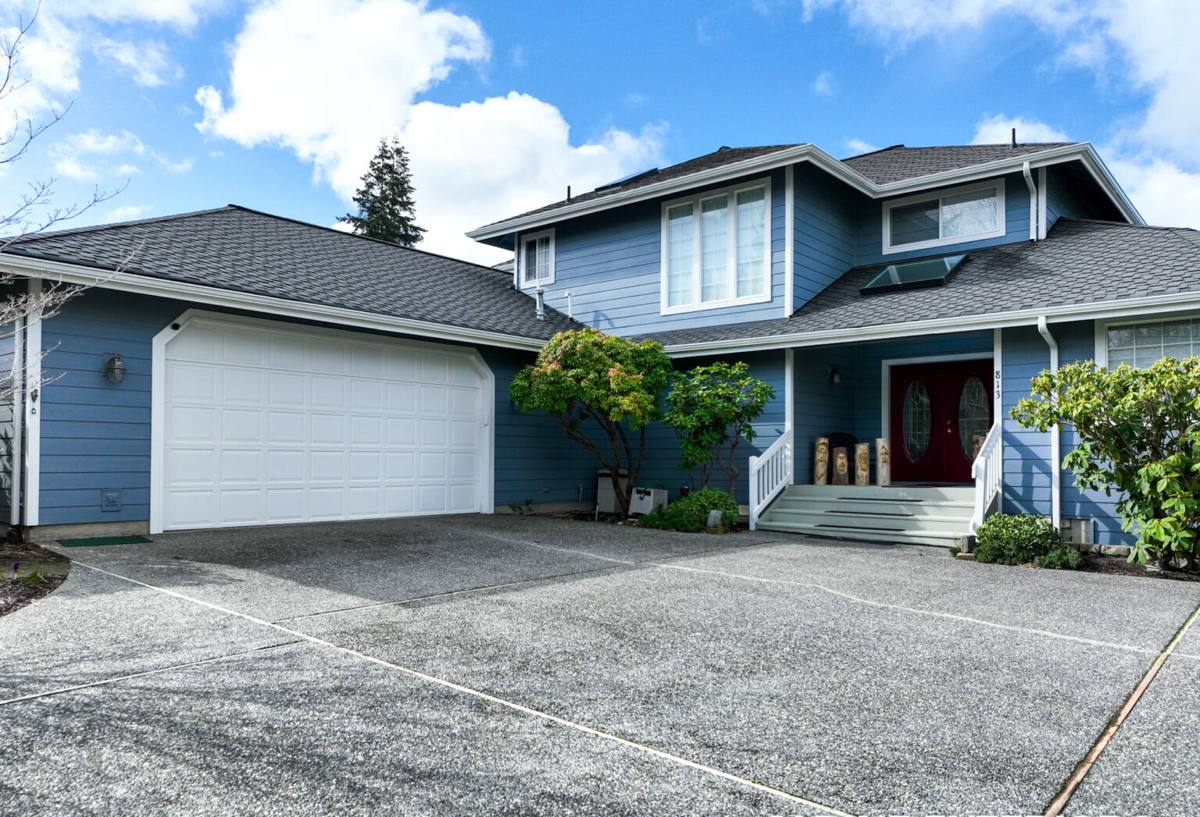
What Ballard's Climate Actually Does to a New Window Assembly
Ballard sits close to Puget Sound and the Ballard Locks, which means salt-laden air moves through the neighborhood more than it does further inland in King County. That air accelerates corrosion on unprotected fasteners, hardware, and lower-grade metal flashing over time. It's not dramatic — it's slow, cumulative wear that shows up as pitting, staining, or hardware that starts sticking a few years earlier than it should.
Add to that the region's driving rain — wind-driven storms that push water sideways into wall assemblies rather than letting it simply run off a vertical surface — and a long moss season that keeps surfaces damp for extended stretches of the year. Moss and algae hold moisture against trim, sills, and cladding, which means any gap or shortcut in the original flashing detail has more opportunity to actually cause a problem. In a new-construction window install, this all points to one conclusion: the water management details matter more here than they do in a drier, calmer climate, and they need to be right the first time.
Getting the Flashing and Weather Barrier Integration Right
This is the part of a new-construction window install that homeowners rarely see and that separates a durable installation from a future leak. The window opening has to be sequenced correctly with the house wrap and flashing so that water is always directed outward and downward, never trapped behind the cladding.
- Sill pan flashing installed first, sloped to drain any incidental water back to the exterior
- Weather-resistive barrier (house wrap) integrated in the correct shingle-lap order — head flashing over the wrap, jamb flashing lapped correctly, sill flashing under the wrap
- Window unit set plumb, level, and square in the rough opening before fastening — a slightly out-of-square window strains hardware and seals for the life of the unit
- Fastening through the nail fin or into the frame per the manufacturer's installation instructions, not a generic method applied to every product
- Backer rod and compatible sealant at the perimeter, sized and installed to allow for expansion and contraction
- Interior air sealing with low-expansion foam or backer rod, separate from the exterior water management layer
Every one of those steps has to happen in order. Skipping the sill pan, reversing a flashing lap, or caulking a gap instead of properly integrating the WRB are the most common causes of hidden water intrusion in new builds — and in a climate that stays damp as long as ours does, a hidden leak has a lot of time to do damage before anyone notices.
Choosing the Right Frame and Glass for This Climate
New construction gives you a real choice of frame material and glass package, since you're not constrained by an existing frame. For a marine climate with salt air and sustained damp periods, some trade-offs matter more than others.
| Frame Material | How It Handles This Climate | Typical Trade-Off |
|---|---|---|
| Vinyl | Won't rust or corrode from salt air; low maintenance | Limited color/finish options; can expand and contract with temperature swings |
| Fiberglass | Very stable dimensionally, holds paint well, resists moisture and corrosion | Higher upfront cost than vinyl |
| Wood-clad | Warm interior look; exterior cladding protects the wood from weather | Any breach in the cladding exposes wood to our damp climate; requires attentive detailing |
| Aluminum | Strong and slim sightlines | Poor insulator unless thermally broken; more prone to condensation in our winters |
Beyond frame material, the glass package matters just as much. For new construction in the Seattle area, we generally recommend a double- or triple-pane unit with a low-E coating tuned for our climate — one that limits heat loss in winter without over-restricting the daylight we already get less of during the wetter months. Argon or krypton gas fill between panes adds a modest but real improvement in insulating performance for very little added cost.
Hardware and Fasteners
In a salt-air environment, hardware quality is worth paying attention to. Stainless steel or corrosion-resistant coated fasteners and hinges hold up noticeably better near the water than standard-grade hardware, and the cost difference at install time is small compared to the cost of replacing corroded hardware down the line.
Code Requirements: Energy Code, Egress, and Permitting
New-construction windows in Seattle and King County have to satisfy more than just "does it fit the opening." The Washington State Energy Code sets minimum thermal performance standards for new-construction glazing, and for our marine climate zone that generally means whole-window U-factors need to land in a fairly efficient range — the exact prescriptive number shifts with each code cycle, so we confirm current requirements against your specific permit before ordering units.
Bedroom windows also have to meet egress requirements — a minimum net clear opening, minimum width and height dimensions, and a maximum sill height above the finished floor — so occupants can get out and first responders can get in during an emergency. This isn't optional on new construction, and it has to be planned into the rough opening size before framing is finalized, not discovered after the fact.
If you're working with a builder or GC, we coordinate directly with them on rough opening sizing, egress compliance, and energy code documentation so nothing gets flagged at inspection. If you're a homeowner managing your own addition, we'll walk you through what the inspector will be checking.
Our Process for a New-Construction Window Install
- Plan review. We review the architectural drawings or framing plan to confirm rough opening sizes, egress compliance, and window schedule before anything is ordered.
- Product selection. We walk through frame material, glass package, and hardware options suited to the home's exposure — a waterfront-adjacent wall gets treated differently than a sheltered interior elevation.
- Coordination with framing and WRB timing. We schedule around the framer and the house wrap installer so the flashing sequence happens in the correct order, not as a patch after the fact.
- Installation. Sill pan, WRB integration, plumb/level/square setting, fastening per manufacturer spec, and perimeter sealing — each window installed and checked individually.
- Interior and exterior sealing. Air sealing on the interior side, weather sealing on the exterior side, kept as separate, distinct layers.
- Final walkthrough. We check operation, seals, and hardware on every unit before we consider the job done, and we're available if anything needs adjustment after the walls are finished and the house has settled.
Why a Crew That Already Works Ballard Matters
Ballard's building stock and lot conditions aren't identical to inland King County. Narrower lots, proximity to the water, and a mix of older homes alongside new infill construction all shape how a job gets planned — from staging materials on a tight site to anticipating how much exposure a given elevation will get to wind-driven rain. A crew that already works this neighborhood knows what the local permitting office expects to see on an inspection, has a feel for how the climate here treats different products over time, and isn't learning those lessons on your project.
We also work directly with builders and general contractors on new construction, which means we're used to fitting into a broader construction schedule — showing up when the framing and WRB are ready, not holding up the next trade, and documenting our work in a way that supports the permit inspection process.
What New-Construction Windows Typically Cost
Pricing depends on the number of openings, frame material, glass package, and site access, but the factors below are the main cost drivers homeowners and builders should plan around.
| Factor | Why It Affects Cost |
|---|---|
| Frame material | Vinyl is generally the most affordable; fiberglass and wood-clad cost more upfront |
| Glass package | Triple-pane and upgraded low-E coatings add cost but reduce long-term energy loss |
| Number and size of openings | Larger units and more openings mean more material and labor |
| Site access and building height | Multi-story installs or tight lots can require additional staging and time |
| Coordination complexity | Jobs scheduled tightly around framing and WRB timing on active builds may carry a coordination premium |
We provide a written estimate broken down by opening so you can see exactly what's driving the number, rather than a single lump-sum figure.
Maintaining New Windows in a Moss-Prone, Salt-Air Environment
A correctly installed new-construction window needs relatively little upkeep, but a few habits will keep it performing well through Seattle's wet season after wet season.
- Rinse salt residue and grime off exterior frames periodically, especially on elevations facing open water or prevailing wind
- Keep gutters and nearby roof valleys clear so runoff isn't dumping extra water onto window heads
- Remove moss or algae buildup on adjacent trim and siding before it holds moisture against the window perimeter
- Check exterior sealant beads annually for cracking or separation, particularly after the first year as the house settles
- Operate hardware periodically through the winter so mechanisms don't stiffen from cold and damp sitting unused
If you're planning new-construction windows for a build or addition in Ballard, we're happy to walk the plans with you and put together a straightforward, no-pressure estimate — just fill out the form below.