 Seattle
 Metal Roofing for a Neighborhood That's Hard on Roofs
Green Lake sits under some of the heaviest tree canopy in Seattle, ringed by big-leaf maples, cedars, and firs that shade roofs for most of the year. Add King County's long wet season and the salt-laden marine air that moves in off Puget Sound, and you have a combination that wears out an ordinary roof faster than homeowners expect. Metal roofing holds up better against all three of those pressures than most other roofing materials, but only when the system, the details, and the installation are matched to this specific climate. A metal roof installed the way it's done in a dry inland state is not the same job as one installed correctly for Green Lake.
This page covers what a metal roof needs to do here, what a correct installation actually involves, and how our process works from first look to finished roof.
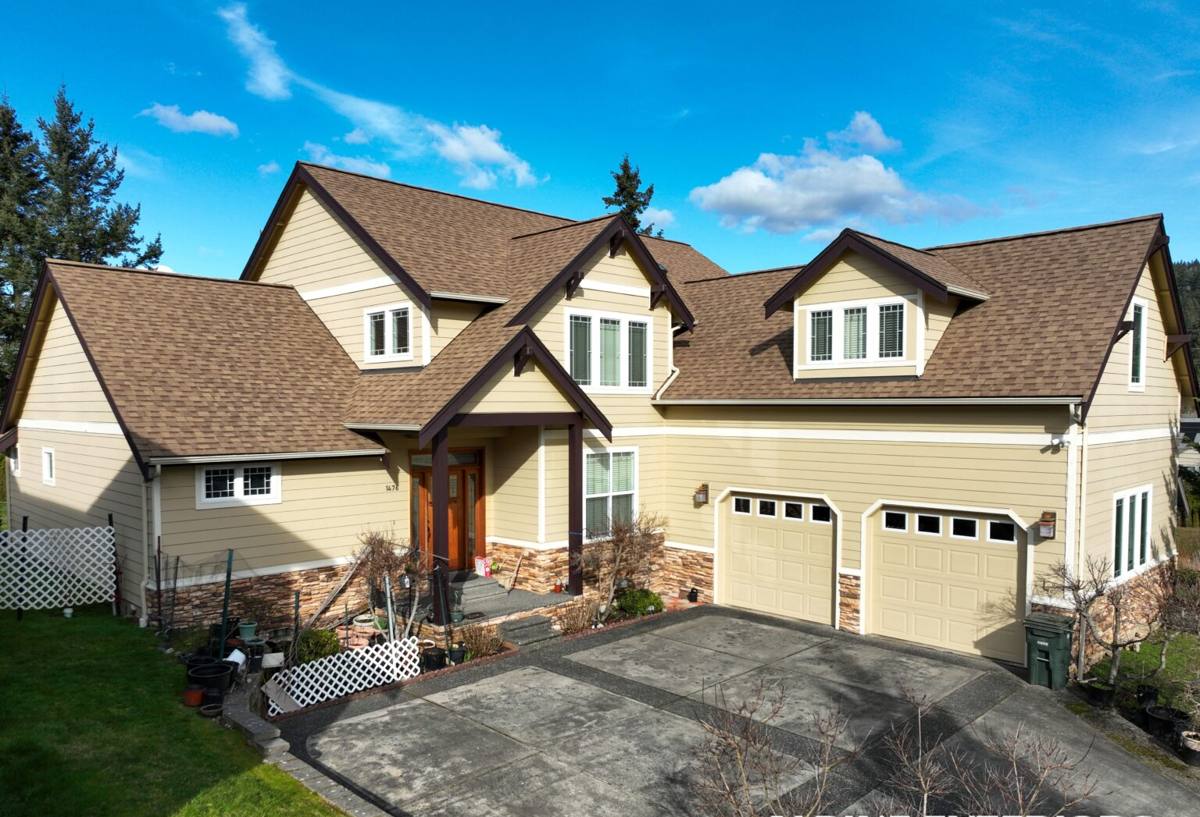
What Seattle's Climate Does to a Roof Over Time
Driving Rain
Seattle doesn't get the heaviest rainfall totals in the country, but it gets a lot of wind-driven rain — storms that push water sideways into laps, seams, and fastener penetrations instead of letting it run straight down. Roofing systems that rely on gravity alone to shed water tend to leak first at valleys, wall intersections, and low-slope sections. Any roof here needs flashing and underlayment details built for water moving at an angle, not just water falling straight.
Salt Air and Corrosion
Green Lake is freshwater, but it's only a few miles from Puget Sound, and the greater Seattle area sits in a marine air pattern that carries salt inland on prevailing winds. Salt exposure accelerates corrosion on fasteners, flashing, and any exposed metal edge. It's a slower, quieter problem than a leak — it shows up as rust streaking and fastener failure years down the line, usually on the cheapest hardware in the assembly.
Moss and Shade
Green Lake's mature tree canopy means many roofs here get partial shade for most of the day, which keeps roof surfaces damp longer after rain and creates ideal conditions for moss and algae growth. Moss holds moisture against a roofing surface, works into laps and fasteners, and on some materials can lift edges over time. A roof in this neighborhood needs a surface and a maintenance plan that account for shade, not just rain totals.
Why Metal Roofing Fits This Environment
Metal roofing is one of the better options for Green Lake's conditions, for a few specific reasons:
- Hard, non-porous surface — metal doesn't absorb water the way wood shakes or asphalt granules do, so it dries out faster after rain and gives moss less to grab onto.
- Fewer horizontal catch points — a standing seam profile in particular has almost no exposed laps for debris and moisture to collect in, compared to shingle or shake roofing.
- Steep and shallow pitch performance — metal panel systems handle both the steep gables common on older Green Lake homes and the lower-slope additions and dormers found on many remodeled houses.
- Long service life — a properly installed and maintained metal roof is typically a decades-long investment, which matters in a climate that's hard on roofing year-round, not just in winter.
None of that means metal roofing is maintenance-free or immune to moss. It means the failure points move from the field of the roof (where asphalt shingles typically fail first) to the details — fasteners, flashing, panel seams, and valleys. That's exactly where installation quality matters most.
Choosing the Right Metal Roofing System
Not every metal roof is built the same way, and the differences matter more in a wet, shaded climate than in a dry one. The table below compares the two main approaches we install.
| Feature | Standing Seam (Concealed Fastener) | Exposed Fastener Panel |
|---|---|---|
| Fasteners | Hidden under seams, not exposed to weather | Screws penetrate the panel face, exposed to rain and UV |
| Long-term weather resistance | Higher — no exposed penetrations to fail or corrode over time | Lower — exposed gaskets and screws are the most common failure point |
| Best suited for | Primary roofs, complex rooflines, long-term ownership | Shops, accessory structures, budget-driven projects |
| Upfront cost | Higher | Lower |
| Maintenance over time | Minimal if installed correctly | Periodic fastener and gasket inspection recommended |
For a primary residence in a shaded, wet neighborhood like Green Lake, we generally recommend standing seam. The concealed fastener design removes the weakest point in the exposed-fastener system — the screw and gasket — which is also the point most affected by driving rain and salt air over time.
Coatings and Finish
The paint finish on a steel or aluminum panel does most of the work of resisting fade, chalking, and coastal corrosion. Premium PVDF-based coatings (often sold under names like Kynar 500) hold color and gloss significantly longer in marine climates than lower-grade polyester coatings. We'll walk through the coating options and warranty terms for whatever panel system fits your roof and budget — this is a place where spending a little more upfront noticeably extends the finish's usable life.
What a Correct Installation Actually Involves
Deck Inspection and Repair
Before any panel goes down, the roof deck gets inspected for soft spots, rot, or prior water damage — common on older Green Lake homes that may have had roof leaks go unnoticed under shade and moss for a while. Metal panels are unforgiving of an uneven or compromised deck, so repairs happen before installation, not after.
Underlayment
We install a synthetic underlayment across the full roof, with self-adhered ice-and-water membrane at the eaves, valleys, and any roof-to-wall intersections — the exact spots where wind-driven rain is most likely to find a way in. This underlayment layer is the roof's real backup defense; it matters even more on a metal roof than on shingles, because it's what protects the deck if wind ever drives water past a seam or flashing detail.
Flashing Details
Valleys, chimneys, skylights, and sidewalls are where the majority of roof leaks originate, on metal or any other material. Flashing has to be formed and layered correctly with the underlayment and panels so water is always directed out and down, never into a seam. This is detail work that separates a roof that performs for decades from one that leaks within a few years.
Fasteners and Metal Compatibility
Mixing incompatible metals — for example, plain steel fasteners on an aluminum panel, or letting copper flashing sit against aluminum — sets up galvanic corrosion that eats away at the less noble metal, often invisibly, until it fails. We match fastener and flashing metals to the panel material and use corrosion-resistant hardware rated for coastal exposure throughout.
Ventilation
A metal roof needs the attic or roof assembly beneath it to breathe properly. Trapped moisture under a non-porous metal surface, especially under a shaded roof that stays cool and damp longer, can lead to condensation issues. We check and correct ventilation as part of the job rather than treating it as a separate service.
Moss, Debris, and Tree Canopy Management
Metal resists moss far better than wood or asphalt, but a shaded roof under Green Lake's tree canopy still needs some ongoing attention. A few things reduce the problem significantly:
- Zinc or zinc-alloy strips installed near the roof ridge, which release trace metal ions that inhibit moss and algae growth as rain washes over the panels
- Wider, unobstructed valleys designed to move debris through rather than trap it
- Gutter guards or regular gutter clearing, since clogged gutters back water up under the roof edge and keep panels wet longer than they should be
- Periodic clearing of needles and leaf litter from valleys and low-slope sections, especially after fall leaf drop
- Trimming overhanging branches where practical, to cut down on both debris load and prolonged shading
None of this is heavy maintenance — a metal roof under tree cover in this neighborhood needs a fraction of the upkeep a wood shake roof would, but "none" isn't realistic in a climate this wet and shaded.
Our Process, Start to Finish
- On-site inspection — we look at your existing roof, deck condition, ventilation, and how the tree canopy and drainage on your specific lot affect the roof.
- Honest estimate — we walk through panel and coating options, what your roof actually needs versus what's optional, and a clear cost breakdown.
- Scheduling around weather — metal roofing needs a dry, workable window; we plan installation timing around Seattle's rain patterns rather than forcing a schedule that risks trapping moisture under new panels.
- Deck prep and underlayment — repairs, synthetic underlayment, and ice-and-water membrane at all critical areas.
- Panel installation and flashing — panels, valleys, and all flashing details installed to shed wind-driven rain, not just vertical rain.
- Final walkthrough — we review the finished roof with you, including what maintenance (if any) it needs going forward.
Cost Factors on a Green Lake Metal Roof
Every roof is different, but the main variables that move price on a project like this are consistent. This isn't a quote — it's what to expect to discuss when we come out for an estimate.
| Factor | Why It Matters |
|---|---|
| Roof pitch and complexity | Steep pitches, multiple valleys, and dormers take more labor and material to flash correctly |
| Panel material and coating | Steel vs. aluminum and coating grade (standard vs. premium PVDF) affect both material cost and long-term performance |
| Deck condition | Rot or soft decking found during tear-off adds repair scope before panels can go on |
| Tear-off vs. new construction | Removing an existing roof (and disposing of the old material) adds labor compared to new construction |
| Access and site conditions | Tree canopy, tight lots, and limited staging space common in Green Lake can affect labor time |
Why Hiring a Crew That Already Works Green Lake Matters
A metal roof is only as good as the details it's installed with, and those details change depending on the climate. A crew that regularly works in Seattle and King County already understands how to sequence a metal roof installation around this region's rain patterns, how much underlayment coverage a roof in this climate actually needs, and how tree canopy and shade affect long-term moss risk on a specific lot. That local experience shows up in fewer callbacks and a roof that performs the way it's supposed to for its full service life, not just for the first few dry seasons.
It also matters for permitting and code compliance — roofing work in Seattle typically requires a permit through the city's building department, and a local contractor who pulls these permits regularly knows the process and inspection expectations without adding delay to your project.
Ready to Talk About Your Roof
If you're weighing a metal roof for a home in or around Green Lake, we're happy to come take a look, answer questions honestly, and give you a straightforward estimate — no pressure, no sales script. Fill out the form below and we'll get in touch to schedule a time.