 Seattle
 Beacon Hill's Exposure Is Different From a Typical Seattle Lot
Beacon Hill sits on a long ridge running through Seattle, and that elevation cuts both ways. Homes up top get sweeping views, but they also catch wind and wind-driven rain that lower, more sheltered blocks in King County never see. Homes tucked closer to the tree canopy on the hill's slopes deal with the opposite problem: shade, damp air, and slow-drying walls that never get a real chance to bake off between storms. Either way, the siding on a Beacon Hill house works harder than siding on a flat, open lot, and it shows in the housing stock here — a lot of older bungalows and mid-century homes with siding that's been patched, repainted, and patched again.
We install fiber cement siding on Beacon Hill homes because it's built to take that kind of punishment without turning into a maintenance project every couple of years. This page covers what the local climate actually does to exterior walls here, what a correct fiber cement job looks like, and why we standardized on one product line instead of offering a menu of siding materials.
What Seattle's Marine Climate Does to Exterior Walls
Seattle sits close to Puget Sound, and that proximity means salt-laden air is a real factor for exterior materials citywide, not just on waterfront lots. Combine that with King County's long, wet fall-through-spring stretch and you get three problems working on your siding at once:
- Driving rain: Wind off the Sound doesn't just fall straight down — it drives rain sideways into wall assemblies, seams, and trim joints. On an elevated, less-sheltered block, this is worse than average.
- Moss and algae growth: Our moss season runs long — realistically most of the year on shaded or north-facing walls. Moss holds moisture against the surface and, on wood-based sidings, feeds rot from the outside in.
- Salt air corrosion: Airborne salt accelerates the breakdown of fasteners, caulk, and paint film, which shortens the service life of anything not specifically engineered to resist it.
None of this is unique to Beacon Hill, but the ridge's exposure and the neighborhood's older housing stock mean a lot of homes here are still wearing siding that was never designed for this combination of stress in the first place.
Why We Install James Hardie Fiber Cement — and Nothing Else
We install James Hardie fiber cement siding exclusively. We don't offer vinyl, LP SmartSide, Cemplank, Allura, or primed wood species as alternatives, and that's a deliberate standard, not a lack of options. Fiber cement is a blend of cement, sand, and cellulose fiber, which makes it non-combustible and dimensionally stable in a way wood-based and polymer sidings aren't. It doesn't feed moss the way wood fiber does, it doesn't warp or soften when it stays wet, and it holds paint and factory finish far longer than bare wood.
James Hardie also engineers specific product formulations for different climate zones through its HardieZone system. Seattle falls in the HZ5 zone, which is formulated for damp, temperate, moss-prone climates rather than a one-size-fits-all national blend. That's the detail that matters most for a hillside neighborhood like Beacon Hill: the siding was designed for exactly the weather pattern it's going to face here.
The ColorPlus Finish Advantage
Most Hardie products are available with a factory-applied ColorPlus finish — baked on in a controlled environment rather than brushed or sprayed on site. That finish resists fading, chipping, and moisture intrusion at the paint layer far better than field-applied paint, which matters a lot in a climate where walls stay wet for extended stretches. It also means touch-up and repainting cycles are longer, which is a real cost difference over the life of the siding.
What a Correct Fiber Cement Installation Actually Involves
Fiber cement performs the way it's supposed to only when it's installed to spec. Cutting corners on any of the following is where most siding failures — on any brand — start.
Weather Barrier and Drainage Plane
Before a single board goes up, the wall needs a continuous weather-resistant barrier with a drainage gap behind the siding. This gives any moisture that gets past the surface a path to drain and dry out instead of sitting against the sheathing. On a rain-exposed hillside site, this layer is not optional — it's the difference between siding that sheds water and a wall assembly that slowly rots from behind.
Flashing and Joint Protection
Every window, door, and roof intersection needs proper flashing, and every horizontal joint needs to be treated to shed water rather than trap it. This is where driving rain finds its way in on a poorly built wall, and it's usually invisible from the street until the damage is already done.
Fastening and Clearances
Fiber cement has specific nailing patterns, fastener types, and minimum clearances from grade, roof lines, and decks. Manufacturer clearance specs exist specifically to keep the bottom edge of the siding out of standing water and splash-back, which is a common failure point on older Beacon Hill homes with grade that slopes toward the foundation.
Caulking and Sealant Joints
Sealant is used at penetrations and select joints, not as a substitute for correct flashing. Over-reliance on caulk is a shortcut that fails within a few years in a climate this wet.
Choosing the Right Hardie Product Line for Your Home
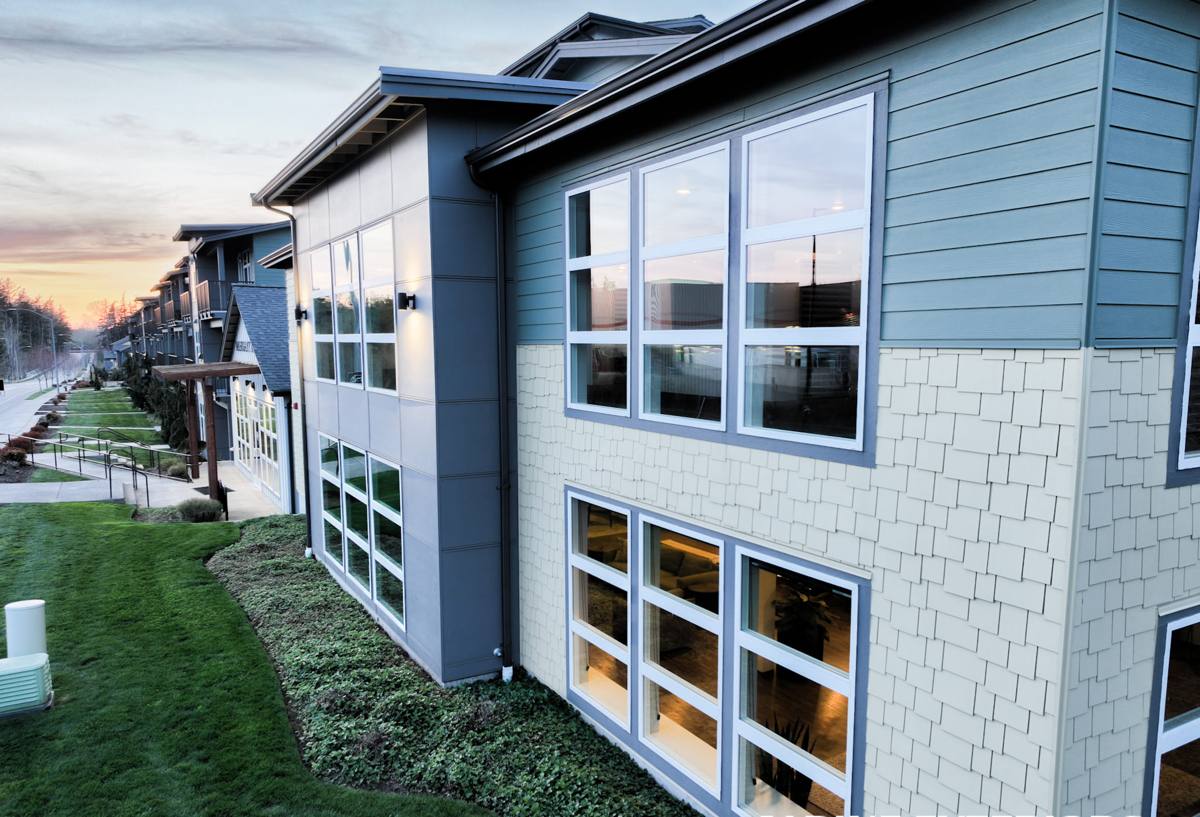
Beacon Hill's housing stock ranges from older bungalows and Craftsman-style homes to mid-century houses and newer infill construction, so the right board profile depends on the home.
| Product | Best Fit | Why |
|---|---|---|
| HardiePlank lap siding | Most single-family homes, including bungalows and Craftsman-style houses | Traditional lap profile matches the look of the original siding on most older Beacon Hill homes |
| HardieShingle | Homes with shingle-style or cottage detailing | Replicates a shingled look without the moisture and moss issues of real wood shingles |
| HardiePanel | Modern or mixed-material exteriors, accent walls | Clean vertical panel look for contemporary infill homes |
| HardieTrim | Window, corner, and fascia trim on any of the above | Matches durability and finish of the field siding instead of mixing in wood trim that ages differently |
How Our Process Works
We start with an on-site assessment of the existing siding, wall condition, and any moisture or rot already present — this is common to find under old siding on a home that's been through several decades of Seattle winters. From there:
- Remove existing siding and inspect sheathing for hidden damage before anything new goes up
- Repair or replace any compromised sheathing or framing found during tear-off
- Install a continuous weather-resistant barrier and drainage plane
- Flash all windows, doors, and penetrations before siding installation begins
- Install Hardie siding, trim, and accessories to manufacturer fastening and clearance specs
- Final walkthrough and inspection before cleanup and job close-out
We don't skip the tear-off step to save time. Covering existing damage with new siding just hides a problem that gets worse behind the wall.
Cost Factors on a Beacon Hill Project
Every home is different, but the line items that move the price on a fiber cement job here are fairly consistent:
| Factor | Why It Matters |
|---|---|
| Condition of existing sheathing | Rot or moisture damage found during tear-off adds repair work before new siding can go up |
| Home access and site slope | Hillside lots and narrow access can affect staging, scaffolding, and material handling |
| Board profile and trim complexity | Shingle-style profiles and detailed trim take more labor than a straightforward lap job |
| Number of stories and roof lines | Height and cut-up rooflines add flashing detail and labor time |
| Window and door count | Each opening needs its own flashing and trim work |
We give a firm, itemized quote after the on-site assessment rather than a rough number over the phone, since the condition behind the old siding is usually the biggest variable.
Living With Fiber Cement in a Moss-Prone Climate
Fiber cement doesn't feed moss and mildew the way wood-based siding does, but nothing is maintenance-free in this climate. A simple annual routine keeps a Hardie exterior performing the way it's designed to:
- Rinse the exterior once a year to clear pollen, dust, and early moss growth, especially on shaded or north-facing walls
- Keep gutters clear so overflow doesn't run down the face of the siding
- Trim back tree branches and shrubs that keep siding shaded and damp longer than it needs to be
- Check caulking at trim and penetration points every year or two and re-seal if it's cracking
- Watch for paint film chalking or fading at the 15+ year mark and plan a repaint before bare substrate is exposed
Why a Crew That Already Works Beacon Hill Matters
Hillside streets, tighter lot access, and older framing methods are all things you learn by doing the work here repeatedly, not by reading a spec sheet. A crew that regularly works Beacon Hill knows what to expect when tear-off starts on a decades-old bungalow, how to stage material and equipment on sloped or narrow lots, and how Seattle's permitting and inspection process runs for exterior work. That local familiarity shows up in fewer surprises mid-project and a tighter, more accurate quote up front — which matters more on a hillside home than it does on a flat, easy-access lot.
If you're weighing a siding replacement on a Beacon Hill home, we're happy to walk the exterior with you, point out what we find, and put together a straightforward, no-pressure estimate. There's no obligation — just a clear look at what your home actually needs.