 Seattle
 Roofing Queen Anne's Hillside Homes
Queen Anne sits high above the rest of Seattle, and that elevation cuts both ways. The views are part of why people live here, but the same exposure that gives you a look at Puget Sound and the skyline also means your roof takes wind and weather that homes down in the valleys don't see nearly as much of. Add in a housing stock that ranges from early 1900s Craftsman and Victorian-era homes to newer infill construction, and "new roof" means something different on almost every block.
We install new roofs across King County, but Queen Anne specifically gets a lot of our attention because the neighborhood's mix of steep pitches, older framing, and hilltop exposure calls for judgment calls that a crew unfamiliar with the area might not think to make.
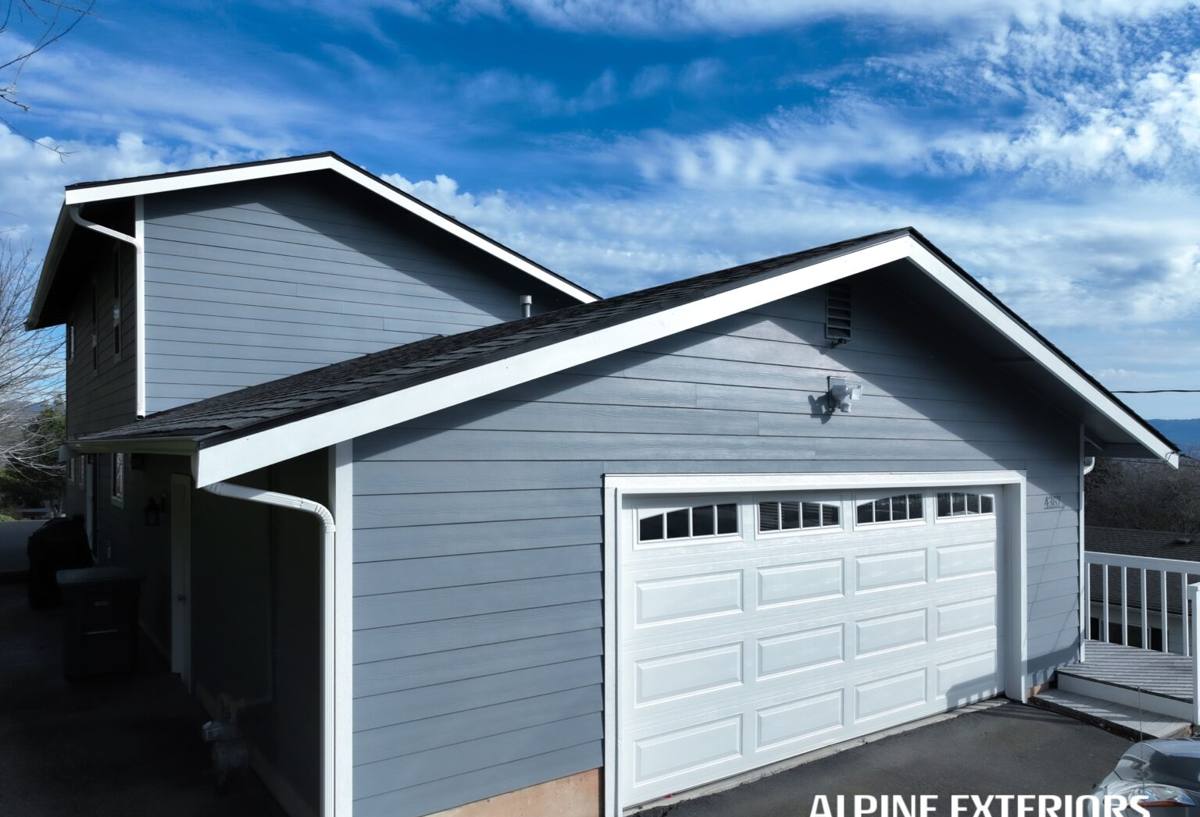
What Seattle's Climate Does to a Roof
Three things shape almost every roofing decision we make in this city: salt air, driving rain, and moss season. None of them are dramatic on their own, but stacked together year after year, they wear a roof down faster than most homeowners expect.
Salt Air and Wind Exposure
Homes on Queen Anne's western and northern slopes get airflow off the Sound, which carries salt and moisture onto roofing materials and any exposed metal — flashing, fasteners, vents. Over time that accelerates corrosion on lower-grade metal components and can shorten the life of certain roofing products if they aren't rated or detailed for coastal-adjacent exposure.
Driving Rain
Seattle rain isn't usually heavy by the inch, but it's frequent, and on a hill like Queen Anne it often comes in sideways rather than straight down. That matters for roofing because wind-driven rain finds its way under shingles, around chimneys, and through poorly lapped flashing in ways that a calm, straight-down rain never would. A roof that's watertight in a light drizzle can still leak in a windstorm if the underlayment and flashing details weren't built for wind-driven moisture.
Moss Season
King County's long wet season, combined with the tree cover common in Queen Anne's older residential blocks, creates ideal conditions for moss and algae growth on roofing — especially on north-facing slopes that don't get much direct sun to dry out between rains. Moss isn't just cosmetic. It holds moisture against the roofing surface, lifts shingle edges as it grows, and can work its way into seams over several seasons if left unaddressed.
Signs Your Queen Anne Home Needs a New Roof
Roof replacement is a big decision, and it's not always obvious when repair stops making sense. Here's what we look for during an inspection:
- Granule loss on asphalt shingles heavy enough that you can see bare or shiny patches
- Shingles that are curling, cupping, or cracking, especially on south- and west-facing slopes that see the most sun and weather cycling
- Moss or algae buildup that comes back within a season of cleaning, which usually points to underlying moisture retention rather than a surface problem
- Daylight visible through the roof deck from inside the attic
- Sagging rooflines or soft spots underfoot, which can indicate deck rot
- Flashing around chimneys, skylights, or roof-wall intersections that's rusted, lifted, or was never properly stepped and counter-flashed
- A roof approaching or past 20-25 years old (asphalt) or showing widespread wear regardless of age
- Rising energy bills alongside visible attic ventilation problems
If you're only seeing one or two of these, repair may still be the right call. A full replacement usually makes sense when several show up together, or when the roof deck itself has been compromised.
Choosing the Right Roofing System for This Neighborhood
There's no single "best" roofing material — the right choice depends on your home's age, roof pitch, sun and tree exposure, and how long you plan to stay in the house. Here's how the common options stack up for Queen Anne's conditions specifically:
| Material | How It Handles Local Climate | Typical Lifespan | Considerations |
|---|---|---|---|
| Architectural asphalt shingle | Solid wind rating when properly nailed and sealed; needs periodic moss treatment on shaded slopes | 25-30 years | Most common choice; wide style and color range to match older home exteriors |
| Standing seam metal | Excellent shedding of wind-driven rain; sheds moss better than shingles due to smooth surface | 40-60 years | Higher upfront cost; needs coastal-appropriate fasteners and coatings near the Sound |
| Synthetic/composite shingle | Good moisture and impact resistance; performs well under repeated wet-dry cycling | 30-50 years | Good fit for historic-style homes wanting a wood-shake look without the moisture upkeep |
| Cedar shake | Traditional look for older Queen Anne homes, but highest moisture and moss maintenance burden in this climate | 20-30 years with upkeep | Requires regular treatment and ventilation to manage rot risk; we'll walk you through the honest maintenance commitment before you commit to it |
We don't push cedar shake as a low-maintenance option in this climate, and we're upfront about that — it's a legitimate aesthetic choice for period-appropriate homes, but the moisture and moss management it requires here is real and ongoing, not a rare exception.
Working With Queen Anne's Older Roof Structures
A meaningful share of the homes we work on in this neighborhood were built decades before current framing and ventilation standards existed. That changes how a new roof installation needs to be approached.
Steep and Complex Pitches
Many Queen Anne homes have steeper rooflines, multiple dormers, and roof-wall intersections that are more common in older architectural styles. Steeper pitches shed water and moss faster, which helps, but they also multiply the number of flashing details that have to be done correctly — valleys, dormer cheeks, chimney saddles. Cutting corners on any one of those details is where leaks start.
Original Decking and Ventilation
Older homes sometimes still have the original roof deck, which may or may not meet current spacing and ventilation standards. Part of a proper reroof is checking deck condition once the old roofing is stripped, replacing any rotted or undersized sheathing, and making sure attic ventilation is adequate — poor ventilation traps moisture, which accelerates both deck rot and moss growth from the inside out.
Matching Neighborhood Character
Queen Anne has a strong sense of architectural character, and many homeowners care about keeping a new roof visually consistent with the home's era and the surrounding street. We carry material and color options that work with Craftsman, Victorian, and Tudor-influenced rooflines, not just whatever is fastest to install.
Our Installation Process
A new roof is only as good as the details underneath it. Here's how we approach every Queen Anne installation:
- Inspection and estimate. We assess the existing roof, deck condition, ventilation, and any problem areas like valleys or chimney flashing, and give you a clear written scope before any work starts.
- Tear-off. Full removal of old roofing material down to the deck so we can actually see what condition the structure is in, rather than roofing over existing problems.
- Deck repair. Any soft, rotted, or undersized sheathing gets replaced. This step matters more on older homes than newer ones.
- Underlayment and ice/water protection. Given how much wind-driven rain this area sees, we pay particular attention to underlayment overlap and protection at eaves, valleys, and penetrations.
- Flashing. New flashing at all chimneys, skylights, vents, and roof-wall intersections — this is the single most common source of leaks on older homes, and it's not a place to reuse old material.
- Roofing installation. Installed to manufacturer specification and local wind-exposure requirements, not just "close enough."
- Ventilation check. Intake and exhaust ventilation confirmed or corrected to help manage moisture and moss going forward.
- Final walkthrough. We review the completed roof with you, including care and moss-prevention guidance specific to your home's sun exposure.
Permits and Local Requirements
Roof replacement in Seattle typically requires a permit through the city, and King County has its own requirements for unincorporated areas nearby. Permit needs can also shift depending on whether the work involves structural repairs or changes to the roofline. We handle permitting as part of the project so you're not left figuring out city requirements on your own, and so the finished work is documented and inspected properly.
Why a Crew That Already Works Queen Anne Matters
Roofing a hillside neighborhood with a mix of century-old and modern homes isn't the same as roofing a flat subdivision. A crew that already works this area knows which streets catch the worst wind off the Sound, which roof orientations need extra moss prevention, and how to detail flashing on the kind of complex, older rooflines that are common here. That familiarity shows up in fewer surprises during tear-off and a roof that's built for the specific conditions of your block, not just a generic install.
If you're weighing repair versus replacement, or just want a straight answer on what your roof actually needs, we're happy to take a look. Reach out for a free, no-pressure estimate using the form below.