 Seattle
 Why Ballard's Climate Is Hard on Windows
Ballard sits close to Salmon Bay and the Puget Sound shoreline, which means homes here deal with a combination most inland Seattle neighborhoods don't get in the same intensity: salt-laden air off the water, wind-driven rain that comes in sideways during winter storms, and long stretches of shade and dampness that let moss and algae take hold on anything that stays wet. Any one of those is manageable. Together, over years, they wear down window hardware, frames, and seals faster than a standard installation is built to handle.
Salt in the air accelerates corrosion on exposed metal hardware — hinges, locks, balance mechanisms, and screws — especially on the sides of a house that face open water or catch the prevailing wind. Driving rain finds any gap in flashing or sealant and pushes water uphill and sideways, not just down, which is why so many window leaks in this area show up as staining below or beside the window rather than directly underneath it. And moss doesn't just grow on roofs — it colonizes window sills, trim, and the top edges of frames wherever moisture sits and sunlight is scarce, which describes a lot of Ballard's shaded lots and north-facing walls.
What This Means in Practice
For a homeowner, it means a window that looks fine from the street can still be failing quietly — hardware stiffening up, wood trim softening under a moss mat, or a seal that's lost its grip after a decade of freeze-thaw and salt exposure. Custom windows for this neighborhood need to be selected and installed with those specific stresses in mind, not just picked off a standard order sheet.
What "Custom" Actually Means Here
Custom windows aren't about fancy shapes or novelty designs. In Ballard, custom usually means matching what your house actually needs, which varies a lot depending on when it was built.
Older Craftsman and Bungalow-Style Homes
Ballard has a large stock of older single-family homes, many with original or previously replaced window openings that are no longer standard sizes. Custom manufacturing lets us match the existing rough opening without cutting into siding, trim, or structural framing more than necessary — which keeps the job cleaner and cheaper than a full frame-out remodel.
Newer Construction and Townhomes
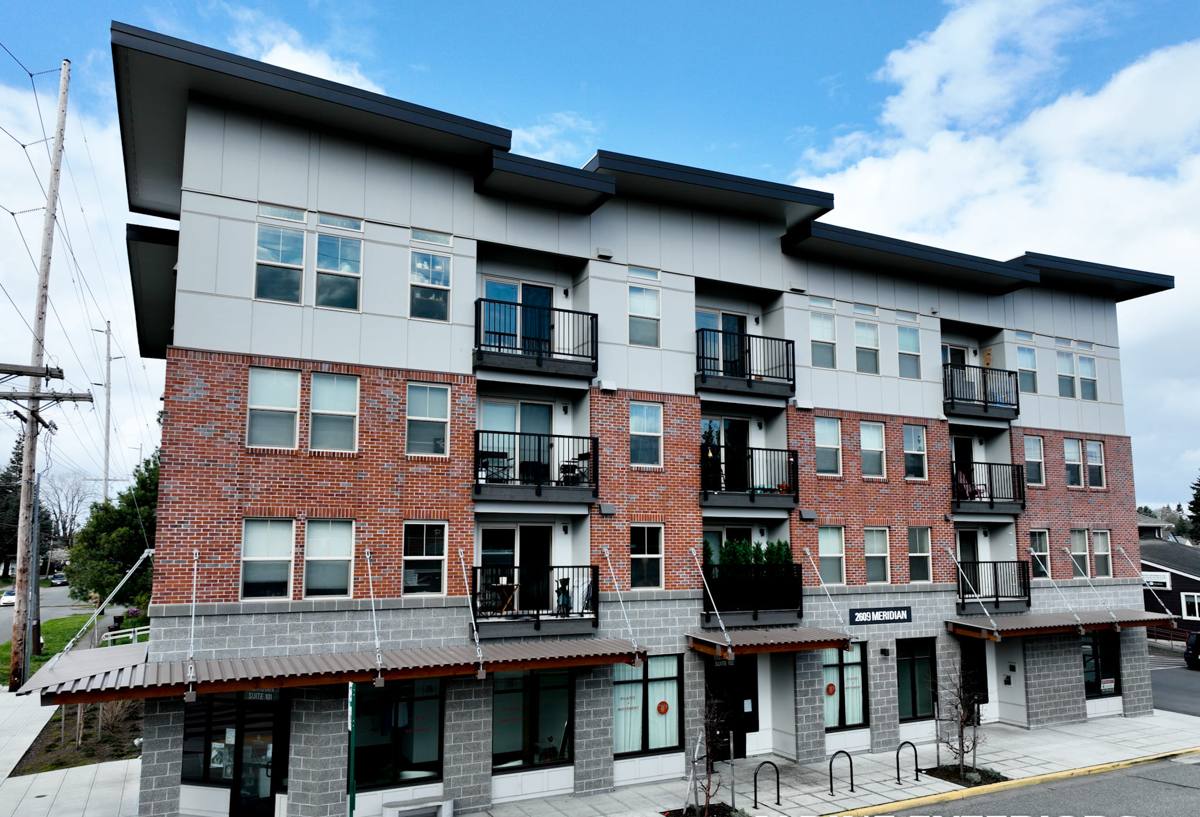
Ballard has also seen a lot of infill development — townhomes and multi-unit builds where window openings are more standardized, but where certain elevations facing the water or prevailing wind still benefit from upgraded glazing or hardware even if the rest of the building uses standard specs.
Either way, "custom" means the window is sized, built, and specified for your actual opening and your actual exposure — not a generic size that gets shimmed and caulked to fit.
Frame Materials: What Holds Up Near Salt Air
Every frame material has trade-offs, and none of them are maintenance-free in this environment. The honest answer is that the right choice depends on your home's exposure, your tolerance for upkeep, and your budget.
| Frame Material | Salt Air / Moisture Behavior | Maintenance Needs | General Cost Tier |
|---|---|---|---|
| Vinyl | Won't corrode; performs well in salt air and rain exposure | Low — occasional cleaning | Lower |
| Fiberglass | Very stable in moisture and temperature swings; strong long-term option near water | Low | Mid to higher |
| Wood-clad | Good insulating properties, but exposed wood edges need protection from moisture and salt | Higher — periodic sealing/painting on exposed wood | Higher |
| Aluminum | Strong but prone to corrosion and condensation without a marine-grade finish and thermal break | Moderate to high near open water | Varies |
We don't push wood-clad or bare aluminum on every water-facing wall in Ballard as our default recommendation — not because either product is bad, but because the maintenance burden and corrosion risk go up considerably on exposures that get direct salt spray and wind-driven rain. On those walls, we're usually steering homeowners toward vinyl or fiberglass with corrosion-resistant hardware, and reserving wood-clad for more protected elevations where its look and insulating value are worth the upkeep.
Hardware Matters as Much as the Frame
A quality frame with standard-grade hinges, locks, and balances will still show corrosion and stiffness within a few years on an exposed Ballard wall. We spec stainless or coated hardware rated for coastal/marine conditions on any elevation with real salt exposure, even when the frame material itself doesn't require it.
Glass and Performance for Pacific Northwest Weather
Seattle's climate isn't about extreme heat or cold — it's about consistent moisture, limited sun, and temperature swings that happen slowly rather than dramatically. That changes what matters in a window's glazing package.
- Double-pane vs. triple-pane: Double-pane with a good low-E coating is adequate for most Seattle homes and is the more common, more affordable choice. Triple-pane adds real value mainly on north-facing or heavily exposed walls, or for homeowners prioritizing noise reduction and maximum efficiency — it's a judgment call based on the specific wall, not a universal upgrade.
- Low-E coatings: Help manage heat loss during our long cool season and reduce interior condensation, which is a common complaint in older single-pane homes throughout King County.
- Condensation control: Warm, humid interior air meeting a cold glass surface is the main cause of window condensation and, eventually, sill and trim rot. Proper glazing and installation reduce this — but interior humidity and ventilation habits play a role too.
Why Correct Installation Matters More Than the Product
We'll say this plainly: in a climate with driving rain and salt air, a mediocre installation of a great window will leak, and a careful installation of a mid-range window will hold up for decades. Installation quality is the single biggest factor in how a window performs here.
Flashing and Water Management
Correct flashing directs water that gets past the window trim back out and away from the wall assembly, rather than letting it pool at the sill or migrate into the framing. On wind-driven rain walls, this includes attention to the head flashing and side flashing, not just the sill — water pushed sideways by wind can bypass a sill-only approach.
Sealant Selection and Placement
Not every sealant is rated for long-term exposure to salt air and constant damp-dry cycling. We use products chosen for that exposure, and we don't rely on sealant alone to do a flashing detail's job — sealant is the backup, not the primary water barrier.
Fit and Shimming
A window that's out of square or improperly shimmed puts uneven stress on the frame and hardware, which shows up years later as operational problems — sticking sashes, locks that won't align, or drafts that weren't there at install.
Our Process, Start to Finish
- On-site assessment: We look at existing window condition, framing, exposure (which walls face water or prevailing wind), and any signs of past moisture issues before recommending anything.
- Honest product recommendation: Based on that assessment, we recommend frame material, glass package, and hardware suited to that specific wall — not a one-size answer for the whole house.
- Written estimate: Clear scope, materials, and pricing before any work starts.
- Installation: Careful removal of the old unit, inspection of the framing underneath for hidden rot or moisture damage, correct flashing and sealing, and precise shimming.
- Final walkthrough: We check operation, seal quality, and cleanup with you before calling the job done.
Signs Your Ballard Home's Windows Need Attention
Because failure here often shows up quietly, it helps to know what to look for before a small issue becomes a framing repair.
- Moss or dark staining building up on sills, trim, or the top edge of the frame
- Hardware — locks, cranks, hinges — that's gotten stiff, sticky, or visibly corroded
- Condensation forming between panes (a sign the seal has failed) rather than just on the interior glass surface
- Soft or discolored trim or sill wood, especially on walls facing open water or prevailing wind
- Drafts or noticeable temperature difference near the window that weren't there a few years ago
- Water staining on interior walls below or beside a window after a heavy storm
Living With Salt Air and Moss Season: Maintenance That Actually Helps
No window in this environment is maintenance-free, but the maintenance is manageable if it's routine rather than reactive. Rinsing salt residue off exposed frames and hardware a few times a year, keeping sills clear of debris and moss so water doesn't sit, and checking exterior caulking annually for cracking are simple habits that meaningfully extend a window's service life in this climate. We're happy to walk homeowners through what their specific frame material and exposure actually need — it's usually less work than people expect.
Why Local Experience in Ballard Matters
A crew that regularly works this neighborhood already knows which walls tend to take the worst of the wind-driven rain, how the older housing stock here is typically framed, and what permitting or exterior-alteration requirements can apply to houses in Seattle's older residential areas. That experience shows up in fewer surprises once a wall is opened up — and in product and hardware recommendations that are based on what actually holds up on this kind of exposure over time, not generic marketing claims. For a coastal-adjacent neighborhood like Ballard, that local knowledge is as much a part of the job as the window itself.
If you're weighing a window replacement or a custom-built install for a Ballard home, we're glad to take a look and give you a straightforward, no-pressure estimate — just fill out the form below.