 Seattle
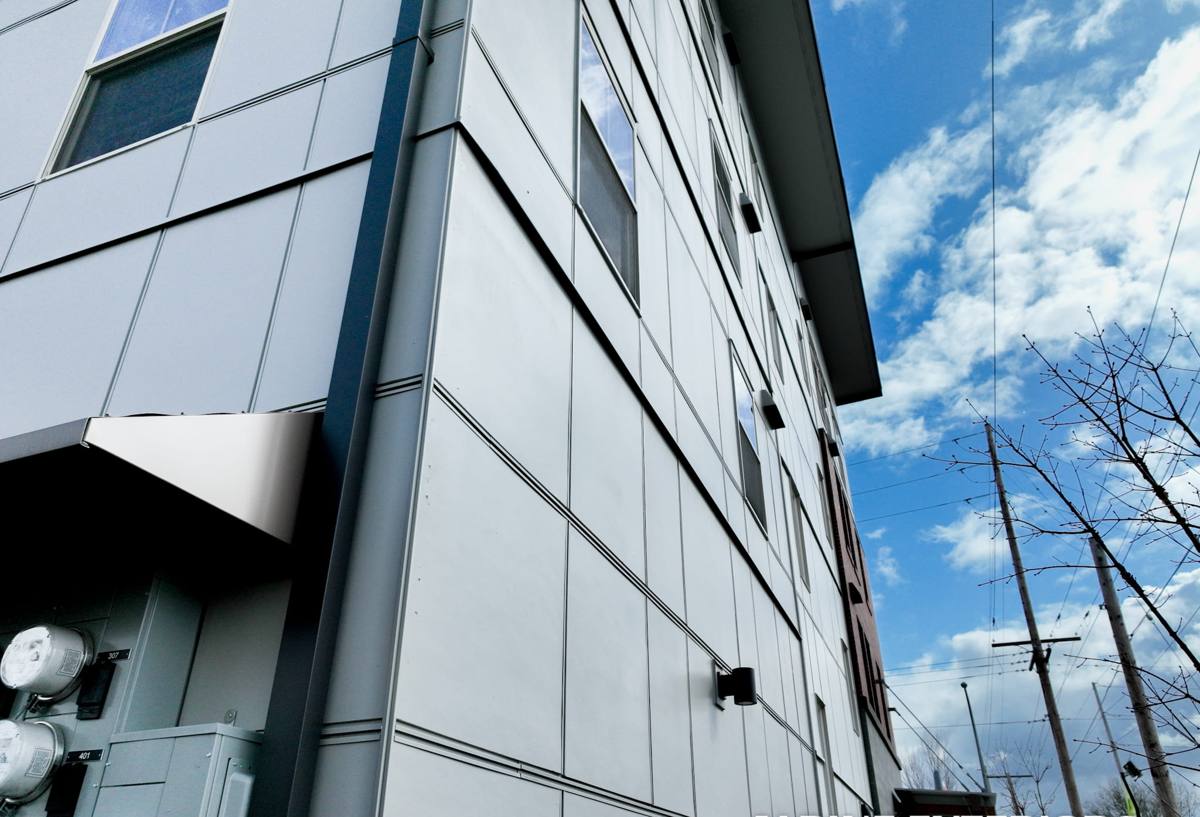
 Board & Batten Siding Built for Ballard's Waterfront Climate
Ballard sits right up against Puget Sound, and that location shapes everything about how siding performs here. Salt-laden air drifts in off the water, rain drives sideways during fall and winter storms, and the shaded, moisture-heavy air that settles over King County neighborhoods near the water keeps roof lines, fences, and vertical siding damp for days at a time. Board and batten siding — with its narrow vertical panels and raised battens covering the seams — is a look that suits Ballard's mix of craftsman bungalows, updated mid-century houses, and new construction infill. But that same vertical-seam design is less forgiving of moisture mistakes than horizontal lap siding, which is why the material and the installation both matter more here than almost anywhere else in Seattle.
This page is about one thing: board and batten siding, installed correctly, on homes in Ballard. Not a general siding overview, and not a sales pitch for every product on the market — just what this specific style needs to hold up against this specific climate, and how we approach it.
What Ballard's Climate Does to Vertical Siding
Salt Air
Homes closer to the water deal with airborne salt that settles on exterior surfaces and accelerates corrosion of fasteners, trim screws, and any metal flashing components. Over years, cheap or improperly coated fasteners can streak, rust, and eventually weaken — which is a real problem on board and batten, where the battens themselves are often face-nailed or blind-nailed in a pattern that's hard to inspect once the siding is up.
Driving Rain
Seattle's rain isn't usually a downpour — it's a long, low-intensity soak that comes in at an angle during wind events. On horizontal lap siding, gravity does a lot of the work shedding that water. On vertical board and batten, water runs straight down the face of every seam, which means the batten-to-panel overlap and the caulking at each joint have to be right, every time, or water finds its way behind the panel.
Moss and Prolonged Dampness
Ballard's tree cover and marine air keep exterior surfaces damp longer than in drier parts of the region, which is exactly the environment moss and algae need to take hold. Moss holds moisture against the siding surface, and on wood-based products that moisture eventually finds a way into the substrate. Fiber cement doesn't feed moss the way wood does, but even Hardie board and batten still needs the right drainage gap behind it and a factory finish that resists staining — otherwise moss and mildew streaking becomes a recurring cosmetic issue rather than a one-time cleaning job.
Why We Install Only James Hardie Board & Batten
Board and batten is available in wood, engineered wood, vinyl, and fiber cement. We install James Hardie exclusively, and on a vertical-seam product in a marine climate like Ballard's, the reasoning is even more direct than it is for lap siding:
- Non-combustible core — fiber cement doesn't feed a fire the way wood-based sidings can, which matters for insurance underwriting and long-term risk regardless of style.
- Dimensional stability — Hardie panels don't swell, cup, or warp with moisture cycling the way wood and some engineered wood products can, which keeps the batten reveals straight and consistent for the life of the siding.
- Factory-applied ColorPlus finish — baked-on color resists the fading, chalking, and moss staining that plain-painted vertical siding shows first, since vertical surfaces catch more direct rain wash than horizontal ones.
- HZ5 engineering — Hardie's HZ5 product line is formulated for wetter, colder climate zones like the Pacific Northwest, which is the correct specification for a home this close to Puget Sound.
- Warranty backing — a manufacturer-backed, transferable warranty on both the substrate and the finish, which matters more on a coastal-influenced property than it does inland.
We don't install LP SmartSide, vinyl board and batten, primed spruce, cedar, or other fiber cement brands. That's a standard we hold across every job, not just this one — it lets our crew get deep, repeatable expertise in one system instead of spreading thin across several.
What a Correct Board & Batten Installation Involves
Board and batten looks simple from the street — panels and strips — but the parts you don't see are what determine whether it lasts twenty years or needs rework in five.
Drainage Plane and Rainscreen Gap
Behind the panels, a weather-resistant barrier and a furring or rainscreen gap give any moisture that gets past the surface a way to drain and dry out instead of sitting against the wall sheathing. This is non-negotiable in a climate where the siding face stays wet for extended stretches.
Fastening Pattern
Hardie's published fastening specifications for board and batten call for specific nail placement, spacing, and penetration into framing or proper backing. Battens need to be fastened so they don't trap water at the seam, and every fastener needs corrosion-resistant coating suited to a marine-influenced environment.
Flashing and Joint Detailing
Every window, door, corner, and horizontal trim intersection needs flashing that directs water out and away from the wall assembly. On vertical siding, the top of each panel run and any horizontal breaks are the most common places we find water intrusion on homes we're asked to repair — usually because the original install skipped a flashing detail to save time.
Caulking and Sealant Joints
Batten-to-panel seams and butt joints get sealant rated for exterior movement and UV exposure. Cheap or inconsistently applied caulk is one of the fastest ways a board and batten job fails early, because every seam is a potential entry point running vertically down the wall.
Our Process on a Ballard Board & Batten Project
- On-site assessment — we look at existing siding condition, moisture damage, wall assembly, and how exposed the home is to wind-driven rain and salt air given its position relative to the water.
- Product and reveal selection — panel width, batten spacing, and HZ5 specification are chosen for the home's style and exposure, not a one-size template.
- Removal and substrate check — old siding comes off and we inspect sheathing for rot or moisture damage before anything new goes up. Hidden problems get addressed, not covered.
- Weather barrier and rainscreen installation — the drainage plane goes in correctly the first time, since this layer is invisible once the job is finished.
- Panel and batten installation — installed to Hardie's fastening and clearance specifications, with flashing integrated at every penetration and transition.
- Final inspection and cleanup — seams, caulking, and trim get a final check before we call the job done.
Signs Your Current Siding Needs Attention
- Soft or spongy spots when you press on wood-based board and batten panels or battens
- Visible moss or algae streaking that returns quickly after cleaning
- Gaps opening up at batten seams or panel joints
- Paint peeling or bubbling, especially near the base of the wall or under windows
- Warped, cupped, or bowed panels that weren't there a few years ago
- Rust streaks below fastener heads or trim screws
- Rooms with an unexplained musty smell along exterior walls
Cost Factors to Understand
We don't quote pricing without seeing the home, but these are the variables that actually move the number on a board and batten project:
| Factor | Why It Matters |
|---|---|
| Home size and wall complexity | More corners, gables, and dormers mean more cutting, flashing, and labor time |
| Substrate condition | Rotted sheathing found during tear-off adds repair scope before new siding goes on |
| Panel and batten reveal choice | Reveal width and trim detailing affect material quantities and install time |
| Existing siding removal | Wood, vinyl, or old fiber cement removal adds labor versus a bare wall |
| Access and site conditions | Tight lots, narrow side yards, and multi-story walls affect staging and scaffolding needs |
| Trim and color package | ColorPlus finish tiers and trim coordination affect material cost |
Why Hiring a Crew That Already Works Ballard Matters
A crew that regularly works this part of Seattle already knows how close-set lots, shared property lines, and multi-story homes near the water change the approach to a siding job — from staging materials on a tight lot to sequencing work around the wetter stretches of the calendar so panels and sealant cure properly before the next system rolls in off the Sound. That local pattern recognition is what keeps a board and batten installation from becoming a callback a year or two later. It also means we're not learning King County permitting and inspection expectations for the first time on your project.
Ballard's mix of older homes being updated and newer construction going up means we see a wide range of wall conditions in this neighborhood specifically — which is exactly the kind of repetition that makes a crew fast and thorough instead of just fast.
Questions to Ask Any Contractor Before You Hire
- Do you install to the manufacturer's published fastening and clearance specifications, or a shortcut version?
- Is a rainscreen or drainage gap included behind the panels, and can you explain why?
- What HZ product line or zone rating are you specifying for a home this close to the water?
- Who handles flashing at windows, doors, and horizontal trim breaks — and can you walk through that detail?
- What does the manufacturer's warranty actually cover, and is it transferable if you sell the home?
If your Ballard home needs board and batten siding — whether it's a full replacement or you're planning new construction — we're happy to take a look and give you a straightforward, no-pressure estimate. Use the form below to get started.