 Seattle
 Energy-Efficient Windows for Rainier Valley Homes
Rainier Valley is one of Seattle's older, more established neighborhoods, and that shows in the housing stock — a mix of early-1900s bungalows, mid-century ramblers, and newer infill construction, often sitting on tree-shaded lots with plenty of moisture exposure year-round. Whatever era your home was built in, the windows are one of the biggest weak points in its energy performance. A window that's leaking air or trapping condensation isn't just a comfort problem; it's a slow, steady drain on your heating bill and a long-term risk to the wall framing around it.
This page covers what energy-efficient window work actually looks like for homes in this part of Seattle — what the local climate does to windows over time, what a correct installation or repair involves, and how to tell if a contractor is set up to do it right.
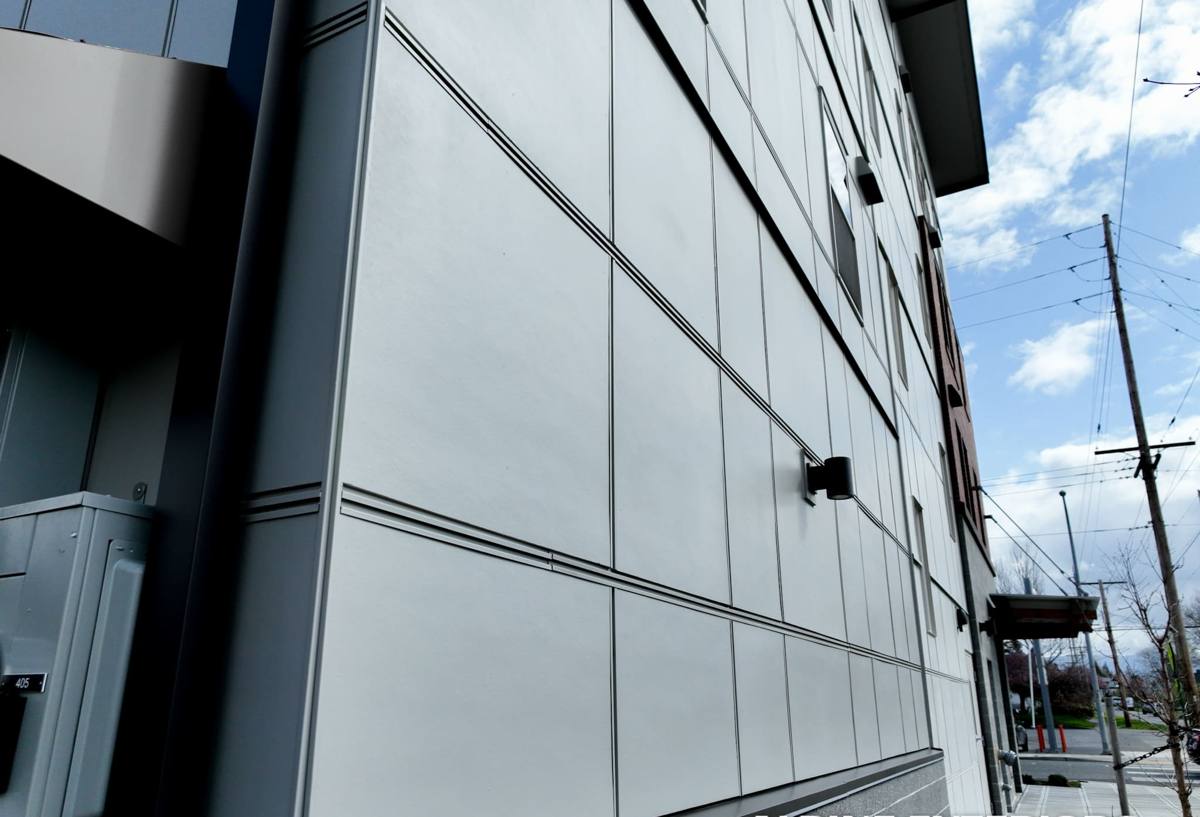
What King County's Climate Does to Windows Over Time
Seattle's marine climate is mild compared to most of the country, but "mild" doesn't mean easy on building materials. Windows here deal with a specific combination of stresses:
- Driving rain — wind-driven rain during fall and winter storms pushes water sideways into gaps and seals that would stay dry in a calmer climate, which is why flashing details around a window matter as much as the window itself.
- Long moss and mildew season — shaded lots and extended damp stretches let moss, algae, and mildew take hold on frames, sills, and trim, especially on the north- and west-facing sides of a house.
- Salt-tinged marine air — being close to Puget Sound and Lake Washington means the regional air carries more moisture and mineral content than an inland climate, which accelerates corrosion on hardware, fasteners, and lower-grade metal components.
- Temperature swings between damp and dry — wood and vinyl both expand and contract with humidity changes, and repeated cycles are what eventually work seals and glazing loose.
None of this is dramatic on its own, but stacked up over years it's exactly why older single-pane and early double-pane windows in this area tend to fail earlier than the manufacturer's rated lifespan would suggest.
Signs Your Windows Are Costing You Money
Most homeowners don't notice window failure as a single event — it shows up gradually, as a handful of small symptoms. Worth checking for:
- Fog, haze, or water droplets between the panes of a double-pane window (a failed seal — the insulating gas has escaped and can't be "fixed," only replaced)
- Cold air you can feel near the window frame on a windy day, even with the window closed
- Visible moss, black staining, or soft/spongy wood on the sill or exterior trim
- Windows that are hard to open, close, or lock — often a sign the frame has swelled, rotted, or shifted
- Condensation forming on the inside of the glass regularly during winter
- A noticeable draft or temperature difference in the room compared to the rest of the house
Any one of these is worth a look. Several together usually means it's time to talk about replacement rather than repair.
What "Energy-Efficient" Actually Means
"Energy-efficient" gets used loosely in window marketing, so it helps to know the handful of numbers that actually determine performance:
- U-factor — measures how much heat escapes through the window. Lower is better; this is the single most important number for our climate, where keeping heat in matters more than keeping it out.
- Solar Heat Gain Coefficient (SHGC) — measures how much solar heat passes through the glass. In a mostly overcast climate like ours, this matters less than it would in a sunnier region, but it still affects rooms with large west- or south-facing glass.
- Air leakage rating — how much air passes through the assembly itself, independent of the glass. This is where installation quality matters as much as the product.
- Number of panes and gas fill — double-pane with an argon fill is the standard baseline for this region; triple-pane adds cost and weight for a smaller efficiency gain here than it would in a colder climate.
A window can have an excellent U-factor on paper and still perform poorly if it's installed with gaps, poor flashing, or the wrong sealant for our moisture levels. We treat the installation as equally important as the product spec sheet.
Frame Material Comparison for Wet Climates
| Frame Material | Moisture Resistance | Maintenance | Typical Fit |
|---|---|---|---|
| Vinyl | Good — won't rot, low water absorption | Low — occasional cleaning | Most retrofit and remodel projects |
| Fiberglass | Very good — dimensionally stable in swings between wet and dry | Low | Higher-end replacements, larger openings |
| Wood (unclad) | Poor to fair without diligent upkeep | High — regular painting/sealing required | Historic character homes prioritizing original look |
| Wood-clad (vinyl or aluminum exterior) | Good — exterior shell protects the wood core | Moderate | Homes wanting a wood interior look with better exterior durability |
| Aluminum | Fair — prone to condensation without a thermal break | Low | Less common for residential in our climate due to heat loss |
For most Rainier Valley homes, vinyl or fiberglass frames offer the best balance of moisture resistance and cost. Unclad wood windows still have a place on homes where preserving an original architectural look matters, but we're upfront that they require real ongoing maintenance in a climate this wet — that's a maintenance trade-off, not a knock on wood as a material.
How We Approach a Window Project
1. Assessment
We start by looking at the actual condition of the frames, sills, and surrounding wall — not just the glass. A window that looks fine from inside can be hiding rot or a compromised moisture barrier behind the trim. We'll also check how the window was flashed originally, since that tells us what we're working with once the old unit comes out.
2. Product Selection
We walk through frame material, glazing options, and grille style based on your home's age, exposure, and budget — not a one-size-fits-all recommendation. A shaded, north-facing window with a moss problem needs a different answer than a sunny west-facing one.
3. Removal and Prep
Old windows come out carefully to protect the surrounding siding and interior finishes. Any rot, soft framing, or failed moisture barrier we find gets addressed before the new unit goes in — installing a new window into a damaged opening just hides the problem for a few more years.
4. Installation and Flashing
This is where driving rain either gets handled correctly or doesn't. Proper flashing, sill pans, and sealant placement are what keep wind-driven rain from working its way behind the window over time. We follow manufacturer-specified installation methods rather than shortcuts, since that's usually a condition of the product warranty anyway.
5. Final Check and Cleanup
Every window gets tested for smooth operation, a tight seal, and proper locking before we consider the job done, and the work area is cleaned up before we leave.
Retrofit vs. Full-Frame Replacement
Older Rainier Valley homes often present a choice between a retrofit (also called "pocket" or "insert") replacement — where the new window goes into the existing frame — and a full-frame replacement that removes the old frame down to the rough opening.
| Factor | Retrofit / Insert | Full-Frame Replacement |
|---|---|---|
| Best when | Existing frame is sound and square | Frame shows rot, warping, or water damage |
| Cost | Generally lower | Generally higher |
| Glass area | Slightly reduced (new frame nests inside old) | Can match or increase original glass size |
| Ability to inspect hidden damage | Limited — hidden framing stays covered | Full access to sills, framing, and moisture barrier |
Given how much moisture this region sees, we're cautious about recommending a retrofit over an opening we haven't been able to inspect closely. If there's any sign of past water intrusion, it's usually worth the extra step to open the wall and confirm what's underneath before sealing a new window into it.
Maintaining Energy-Efficient Windows in a Wet Climate
Even a well-installed, high-performing window benefits from a little seasonal attention here:
- Clean weep holes (the small drainage openings at the bottom of the frame) at least once a year so water can drain instead of pooling
- Wipe down sills and frames periodically to keep moss and algae from taking hold, especially on shaded sides of the house
- Check exterior caulking annually and touch up any cracked or shrunken sealant before the rainy season starts
- Operate locks and hardware a few times through the year so they don't seize up from disuse
- Watch for condensation between panes as an early sign of seal failure, even years after installation
Why a Crew That Already Works in Rainier Valley Matters
Window installation done well in Seattle isn't the same job as window installation done well in a drier climate — the flashing details, sealant choices, and drainage planning all have to account for how much rain this area actually gets and how long things stay damp between storms. A crew that regularly works King County homes has already seen how the neighborhood's mix of older wood-frame houses and newer construction behave over time, and knows which shortcuts cause callbacks two winters later. That local familiarity is worth more than a lower bid from a crew unfamiliar with the area's moisture patterns.
If you're dealing with drafty windows, fogged glass, or just want an honest read on whether repair or replacement makes more sense for your home, we're happy to take a look. Reach out for a free, no-pressure estimate using the form below.