 Seattle
 Ballard's Siding Takes a Different Kind of Beating
Ballard sits close to Puget Sound and Salmon Bay, which means homes here deal with a combination of stresses that inland Seattle neighborhoods don't face in the same way. Salt-laden marine air accelerates corrosion on fasteners and trim. Wind-driven rain off the water finds its way into joints and seams that would stay dry elsewhere. And the tree cover and shade common on many Ballard lots keep siding damp for days after a storm, which is exactly what moss and algae need to take hold. None of this means Ballard siding fails faster across the board — it means the failure points are different, and repairing them correctly requires knowing what to look for.
We work in Ballard regularly, which matters more than it might sound. A repair crew that mostly works drier, more sheltered parts of King County can miss the signs of moisture intrusion that show up first in a neighborhood like this one. We're not guessing at how salt air and long wet seasons affect siding — we see it on a normal week.
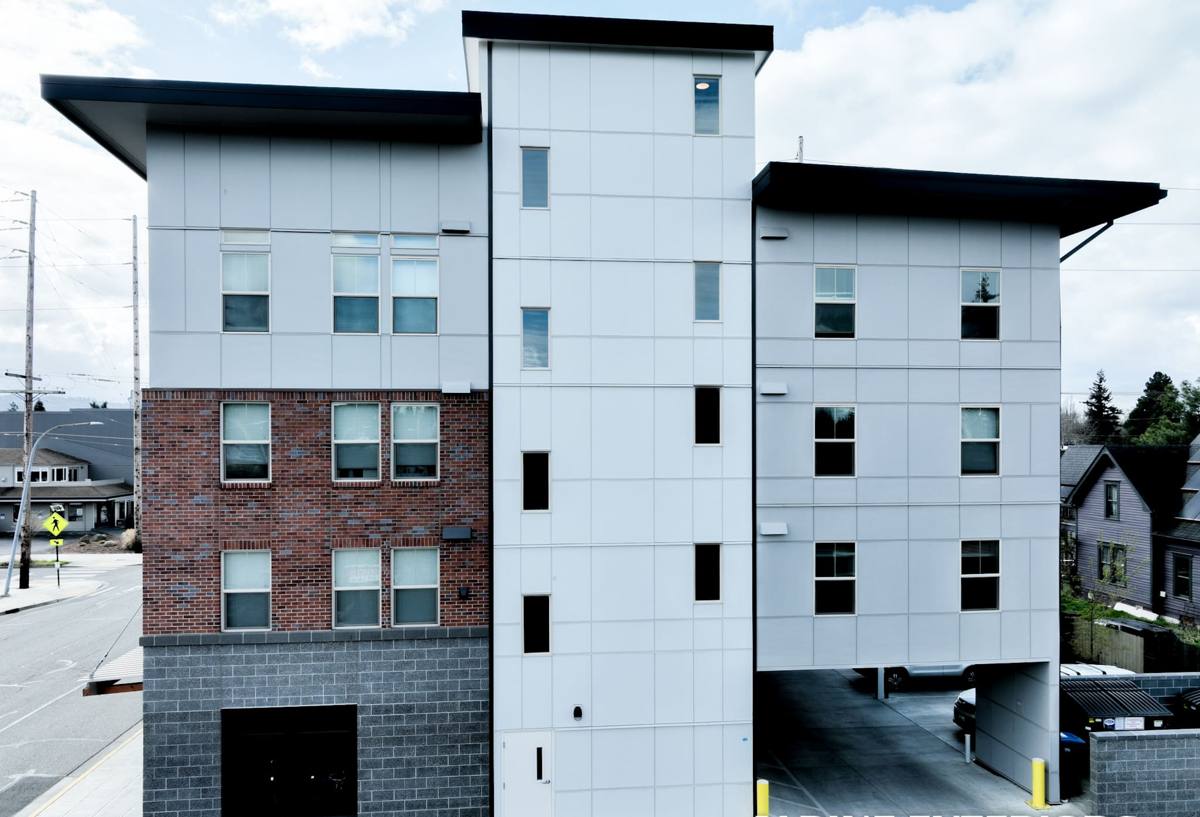
What Salt Air, Rain, and Moss Actually Do to Siding
Salt Air and Metal Fasteners
Salt in the air speeds up corrosion on nails, screws, and any exposed metal trim or flashing. Once a fastener starts to rust, it loses holding strength and can streak the siding around it. On older homes, this is one of the more common reasons a board that looked fine for years suddenly starts to work loose.
Driving Rain and Joint Failure
Seattle's rain isn't always the gentle, straight-down kind. Storms coming off the Sound push rain sideways, which forces water into horizontal seams, butt joints, and anywhere caulking has started to crack or shrink. Once water gets behind the siding, it doesn't take long for the sheathing and framing underneath to start absorbing moisture — and that's a much bigger repair than the siding itself.
Moss, Algae, and Trapped Moisture
A long moss season means siding in shaded or north-facing areas can stay damp for extended stretches. Moss and algae growth aren't just a cosmetic problem — they hold moisture against the surface longer than bare siding would, which is particularly hard on wood-based products and can shorten the life of paint or factory finish.
Signs Your Ballard Home Needs Siding Repair
Most siding problems give some warning before they turn into something expensive. Homeowners in Ballard should watch for:
- Cracked, missing, or crumbling caulk at joints, corners, and around windows and doors
- Soft or spongy spots when you press on the siding, especially near the bottom courses
- Persistent moss or algae staining that comes back quickly after cleaning
- Peeling or bubbling paint, particularly on the shaded or water-facing side of the house
- Rust streaks running down from nail heads or metal trim
- Boards that have visibly warped, cupped, or pulled away from the wall
- Interior signs like musty smells, discoloration on interior walls, or unexplained drafts near exterior walls
Any one of these on its own might be minor. Several showing up together, or showing up in the same area repeatedly, usually points to a moisture problem that's bigger than the siding surface.
Repair vs. Replacement: How We Make the Call
Not every siding problem needs a full re-side, and we don't push replacement when a repair will genuinely hold up. But we also won't patch over rot or hidden water damage just to make a quote smaller — that just moves the problem a year or two down the road. Here's roughly how we think through it:
| Factor | Repair Usually Makes Sense | Replacement Usually Makes More Sense |
|---|---|---|
| Extent of damage | Isolated to one or two boards or a single section | Spread across multiple walls or elevations |
| Underlying sheathing | Dry and structurally sound | Soft, delaminated, or showing rot |
| Siding material | Sound James Hardie fiber cement with localized damage | Aging wood, hardboard, or vinyl showing widespread failure |
| Age of existing siding | Relatively young, still within its expected service life | At or past the point where repairs are chasing new failures every season |
| Cause of damage | Impact damage, a failed caulk joint, or a one-time event | Ongoing moisture intrusion from a systemic flashing or drainage issue |
When we find rot or water damage that's isolated, a targeted repair is the right call and we'll say so. When the damage points to a system-wide moisture problem, patching it isn't a favor to the homeowner — it's a way to have the same conversation again in a year.
What a Correct Repair Actually Involves
Finding the Real Cause First
Before anything gets replaced, we look for why the damage happened. A cracked board might be impact damage, or it might be the visible symptom of water that's been getting behind the wall for a while. Repairing the surface without addressing a failed flashing detail or a clogged drainage path just guarantees a repeat visit.
Removing Damaged Material Cleanly
Damaged boards, trim, or corner pieces get removed back to sound material — not just at the visibly damaged spot, but far enough to make sure we're not fastening new material to compromised sheathing.
Checking the Water-Resistive Barrier and Flashing
Any house wrap, flashing, or drainage plane exposed during the repair gets inspected and corrected if it's torn, improperly lapped, or missing where it should be doing work — around windows, doors, and horizontal transitions in particular.
Matching Materials Correctly
Replacement boards need to match the existing siding's profile, exposure, and finish as closely as possible. For homes already sided in James Hardie fiber cement, this is straightforward — we install Hardie repair sections with matching ColorPlus factory finish so the repair blends in rather than standing out as an obvious patch.
Sealing and Finishing
Joints get properly caulked with a product rated for exterior use in this climate, fasteners are set correctly to avoid the corrosion issues salt air causes, and any exposed cut edges are sealed per manufacturer specification.
When the Siding Isn't James Hardie
We install James Hardie fiber cement exclusively, and that shapes how we handle repair calls on homes sided in something else. If a home has cedar, primed wood, hardboard, vinyl, or a fiber cement product other than Hardie, and the damage is minor and isolated, a straightforward repair using compatible material is often still the right short-term answer. But if we're finding widespread rot, repeated moisture failures, or a product that's simply reached the end of what it can be reasonably patched, we'll tell you that directly rather than keep patching a losing situation.
In those cases, our recommendation is a full re-side in James Hardie rather than continued repairs. It's not because we're trying to upsell a bigger job — it's that fiber cement built for this climate, installed correctly with proper flashing and drainage, holds up to salt air, driving rain, and moss exposure in a way that repeated patch repairs on failing material can't match. We'll always give you the honest read on which situation you're in.
Why Hiring a Crew That Already Works Ballard Matters
Siding repair is detail work, and the details that matter shift by neighborhood. A crew that mostly works newer construction inland may not think twice about the corrosion resistance of fasteners, because it's rarely the failure point there. In Ballard, it can be exactly the issue. Local experience also means we're used to the mix of housing stock in the area — from older homes with siding and framing details from an earlier era to newer builds — and we know what to check on each without treating every house the same way.
There's also a practical side: a contractor who's already working in your neighborhood can get to a repair faster, is familiar with typical local permitting requirements, and has a track record you can actually verify by asking around rather than taking on faith.
Preventing the Next Repair Call
A good repair should buy you years, not months. A few habits make a real difference in a climate like this one:
- Keep gutters clear so water isn't overflowing down the siding face
- Trim back vegetation and tree branches that keep siding shaded and damp
- Have moss and algae growth cleaned off with an appropriate method before it spreads
- Re-caulk joints proactively when caulk starts to look dry or cracked, rather than waiting for a leak
- Walk the exterior once or twice a year, especially after storm season, looking for the early warning signs listed above
Fiber cement siding installed and finished correctly needs less of this babying than wood-based products, but no siding in a marine climate is entirely maintenance-free.
Get an Honest Look at Your Siding
If you're seeing cracked caulk, soft spots, moss that won't quit, or you just want a second opinion before a small problem turns into a big one, we're glad to come take a look. We'll give you a straight answer on whether a repair makes sense or whether it's time to talk about replacement — no pressure either way. Request a free estimate using the form below and we'll get back to you.