 Seattle
 Metal Roofing Built for Rainier Valley's Weather
Rainier Valley sits in one of Seattle's older, more established residential pockets, with a housing stock that spans early-1900s bungalows, mid-century ramblers, and newer infill construction. What almost every one of those roofs has in common is exposure to the same relentless cycle: long stretches of driving rain from fall through spring, cool damp shade under mature trees on many lots, and a moss season that can run eight months or longer if a roof isn't shedding water and drying out properly. Add in the light salt-air influence that reaches inland from Puget Sound on windy days, and you have a climate that is genuinely hard on roofing materials that don't handle moisture well.
Metal roofing has become one of the more popular upgrades we install in this part of King County, and for good reason. A correctly installed metal roof sheds water fast, doesn't hold moisture in a way that feeds moss and algae, and handles decades of freeze-thaw cycling and wind-driven rain without the granule loss and mat degradation that eventually catches up with asphalt shingles. This page covers what that looks like specifically for Rainier Valley homes — not a generic overview of metal roofing everywhere.
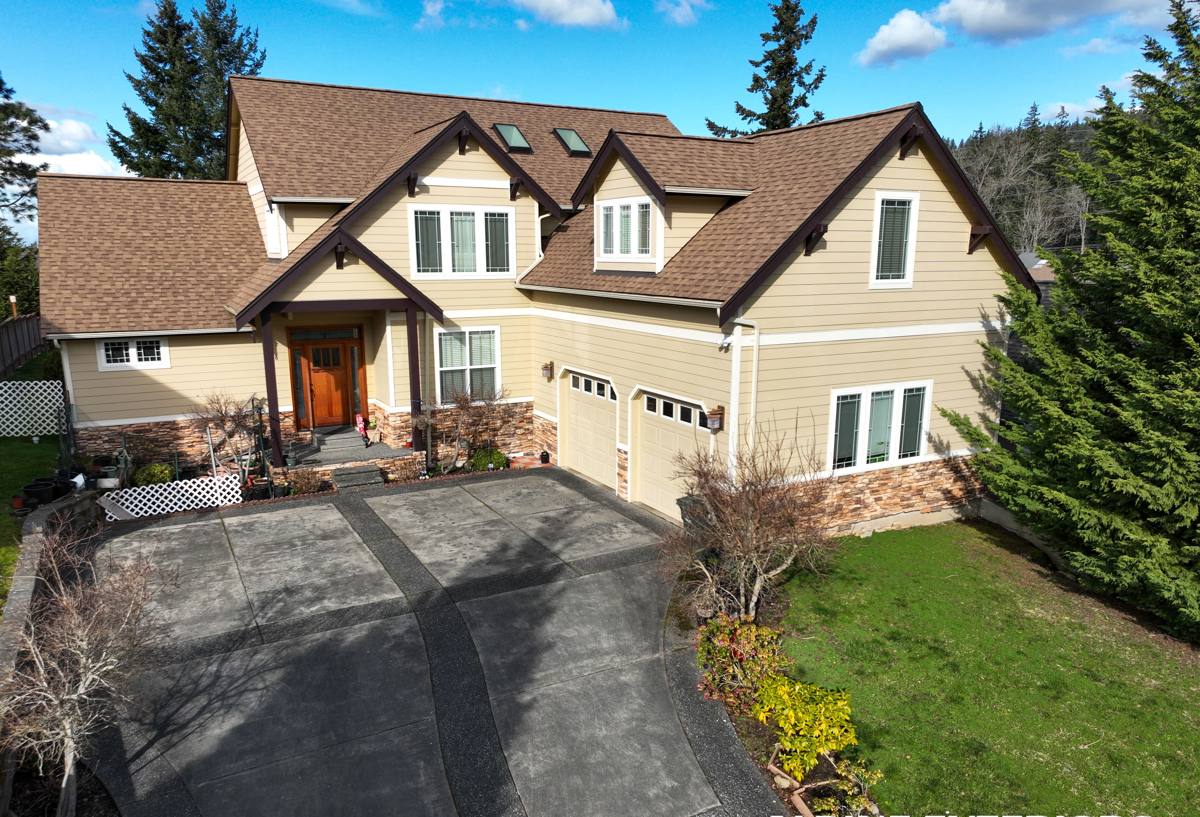
Why This Climate Changes the Job
Rain Volume and Duration
Seattle doesn't get the heaviest annual rainfall of any U.S. city, but it gets some of the most persistent — steady, low-intensity rain over many consecutive days. For a roof, duration matters as much as volume. Underlayment, flashing details, and seam design all get tested by weeks of continuous exposure rather than the occasional downpour. Metal roofing's advantage here is simple physics: a smooth, continuous panel with properly lapped or mechanically seamed joints gives water very few places to linger or find its way underneath.
Moss, Shade, and Slow-Drying Surfaces
Many Rainier Valley lots have mature trees, and tree cover means shaded roof sections that stay damp long after the rest of the roof has dried. Organic roofing surfaces give moss spores something to grip and grow into over a season or two. Metal doesn't offer that foothold the same way — moss can still land on a metal roof and collect in valleys or against debris buildup, but it has nothing to root into, so it wipes and rinses off instead of embedding itself into the roofing material.
Coastal-Influenced Air
Seattle's proximity to Puget Sound means a mild but real salt-air component, especially on days with onshore wind. This matters most for metal roofing choices — it's part of why we're selective about coatings and fastener hardware, covered below.
What a Correct Metal Roof Installation Involves Here
A metal roof is only as good as the details underneath and around it. The panels get the attention because they're visible, but the parts that actually determine whether a roof performs through a Rainier Valley winter are mostly hidden once the job is done.
- Deck inspection and repair — any soft, delaminated, or water-damaged sheathing gets replaced before anything new goes down. Installing over a compromised deck just hides a problem.
- Ice-and-water shield at vulnerable zones — eaves, valleys, and around every penetration get a self-adhering waterproof membrane, not just standard felt, because these are the areas most likely to see wind-driven rain get pushed backward under the surface.
- Synthetic underlayment across the field — a breathable, tear-resistant layer that manages any incidental moisture and lets the roof assembly dry out between rain events instead of trapping condensation against the deck.
- Proper panel fastening or seaming — concealed-fastener and standing-seam systems use clips that allow the metal to expand and contract with temperature swings without tearing loose or backing out fasteners over time.
- Flashing at every transition — chimneys, skylights, dormers, and wall-to-roof intersections are where most roof leaks actually originate, regardless of the roofing material. Custom-formed flashing, not caulk, is what keeps these tight for the long run.
- Ventilation review — balanced intake and exhaust ventilation keeps attic moisture from condensing on the underside of the deck, which matters even more under a non-breathable metal surface than under shingles.
Choosing the Right Metal Roofing System
Not every metal roofing product is a good fit for every house, and part of doing this job honestly is being straightforward about the trade-offs rather than upselling the most expensive option by default.
| System | Best Fit | Trade-Offs |
|---|---|---|
| Standing Seam | Steeper roofs, modern or updated homes, owners wanting a 40-50+ year system | Higher upfront cost; requires experienced installers for clean seams and flashing |
| Exposed-Fastener Panel | Outbuildings, additions, budget-conscious full replacements | Fasteners need periodic inspection and occasional re-torquing over decades |
| Stone-Coated Steel | Homes wanting a shake or tile look with metal's durability | More installation labor; heavier than bare panel systems |
For most Rainier Valley homes we evaluate roof pitch, existing structure, and how visible the roof actually is from the street before recommending a system — a low-slope rear addition doesn't need the same product as a steep, street-facing gable.
Coatings and Fasteners in a Coastal-Influenced Climate
Because Seattle sits close enough to salt water to see occasional airborne salt influence, we pay attention to two things other regions can be more relaxed about: coating quality on the panels themselves and the corrosion resistance of every fastener, screw, and flashing piece that touches them. Mismatched metals in contact with each other can corrode faster than either would alone, so keeping the fastener and flashing metals compatible with the panel system isn't a cosmetic choice — it's what keeps small hardware from failing decades before the panels do.
Moss and Debris: What Ongoing Care Looks Like
Metal roofing resists moss far better than organic materials, but "resists" isn't "immune." Needles, leaves, and seed debris from Rainier Valley's tree canopy can still collect in valleys, against chimneys, and along lower edges where water slows down. Left long enough, that debris holds moisture against the panel and can eventually support moss growth even on metal.
- Clear valleys and gutters of debris at least twice a year, more often under heavy tree cover
- Rinse visible moss or algae buildup with plain water rather than pressure washing, which can damage coatings and seams
- Walk the roofline visually after major windstorms to check for loosened flashing or displaced debris
- Keep overhanging branches trimmed back to reduce shade and debris drop
Our Process for Rainier Valley Projects
1. On-Site Assessment
We inspect the existing roof, deck condition, attic ventilation, and how the specific lot's tree cover and drainage patterns affect that particular roof — not a generic checklist, but what's actually true of that house.
2. System Recommendation
Based on pitch, structure, budget, and how the roof is exposed to weather, we recommend a specific metal system and walk through why, including what we'd steer away from and the reasoning behind it.
3. Written Scope and Timeline
Before any work starts, you get a clear written scope covering materials, underlayment, flashing details, and a realistic installation timeline that accounts for Seattle's rain windows.
4. Installation and Cleanup
Crews follow the deck-to-panel sequence outlined above, with daily site cleanup and protection of landscaping and gutters throughout the project.
5. Final Walkthrough
We walk the completed roof with you, review the work, and go over any care recommendations specific to your property's shade, drainage, and debris patterns.
Why Local Installation Experience Matters
Metal roofing performs differently depending on the climate it's installed in, and a crew that mainly works drier or more temperate regions can miss details that matter here — underlayment choices suited to prolonged rain exposure, flashing sequencing that accounts for wind-driven water, and fastener/coating combinations that hold up under King County's damp, coastal-influenced air. Crews who work Rainier Valley and the broader Seattle area regularly see the same recurring issues — shaded valleys, old growth tree debris, aging deck sheathing under older roofs — often enough to know what to check before it becomes a problem rather than after a leak shows up.
There's also a practical service argument: a contractor already working in your neighborhood can respond faster for follow-up questions, warranty service, or a post-storm check, instead of routing a crew across the metro area for a single visit.
Getting Started
If you're weighing metal roofing against a re-roof in asphalt, or replacing an aging roof that's finally showing its age after one too many wet Seattle winters, we're happy to take a look and give you a straightforward assessment — no pressure, no inflated pitch. Fill out the form below for a free estimate and we'll get back to you with next steps.