 Seattle
 Why Rainier Valley Windows Take a Beating
Seattle's weather doesn't do dramatic extremes, but it makes up for that with persistence. Salt-laden air moving in off Puget Sound, months of driving rain, and a long moss and mildew season put steady, cumulative stress on window frames, sills, and seals. In King County, the damage from a bad window installation rarely shows up as a sudden failure. It shows up slowly, as soft wood around a sill, a musty smell in a bedroom corner, or a heating bill that keeps creeping up year over year.
Rainier Valley's housing stock is a mix of early-to-mid-century bungalows, post-war homes, and newer infill construction, and older windows in particular were rarely detailed for the amount of wind-driven rain this region sees. When a window was installed without proper flashing or with gaps left in the insulation, that mistake sits behind the trim for years, doing damage you can't see until it's expensive to fix. Getting the installation right the first time matters more here than in drier climates, because the margin for error is smaller.
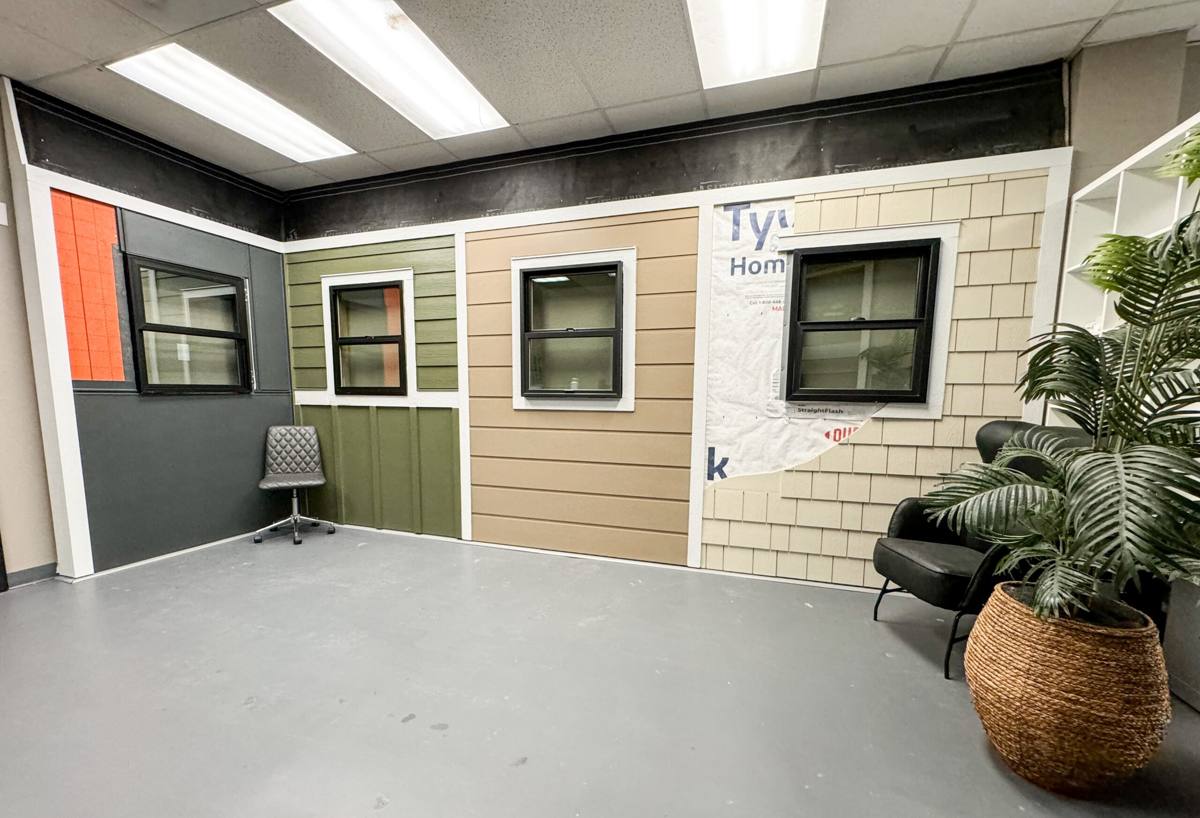
Signs Your Windows Are Ready for Replacement
- Wood trim or sills that feel soft, spongy, or show dark staining
- Visible fogging or condensation between panes of double-pane glass
- Drafts you can feel near the frame even when the window is latched shut
- Windows that are hard to open, close, or lock, or that have swollen shut
- Persistent moss, algae, or black mildew growth on the sill or frame exterior
- A noticeable rise in heating costs without a change in usage habits
- Peeling paint or cracked caulk around the window perimeter
Any one of these on its own might just mean a repair. Several together, especially on the same wall or the side of the house that takes the most weather, usually means the window and its surrounding assembly are due for replacement.
What a Correct Installation Actually Involves
Flashing and water management
The single biggest factor in whether a window lasts is how water is managed around it, not the window itself. Correct installation means integrating flashing tape and pan flashing with the home's existing weather-resistive barrier so that any water that gets past the exterior trim is directed back out, not into the wall cavity. This is the step that gets rushed or skipped on cheap installs, and it's the one that causes the most expensive damage down the line.
Insulation and air sealing
The gap between the window frame and the rough opening needs to be filled with a material that stays flexible and doesn't compress or crumble over time. Overfilling with rigid foam can bow the frame and cause operational problems; underfilling leaves a direct path for drafts and moisture. Getting this right takes judgment, not just a caulk gun.
Fit, level, and structural integrity
A window that isn't shimmed level and square will bind, leak, or fail early no matter how good the unit itself is. We check plumb, level, and square at every stage of the install, and we verify the surrounding framing is sound before the new window ever goes in. If we find rot or damage in the rough opening, we address that first rather than installing a new window against a compromised frame.
Full-Frame vs. Insert Replacement
Not every window needs to come out down to the studs. Which approach makes sense depends on the condition of the existing frame and sill.
| Approach | Best For | Trade-offs |
|---|---|---|
| Insert (pocket) replacement | Existing frame is sound, dry, and square | Faster, less disruptive, but any hidden rot stays hidden |
| Full-frame replacement | Frame shows rot, water damage, or is out of square | More labor and cost, but lets us inspect and correct flashing and framing issues |
We'll tell you honestly which situation you're in after we've actually looked at the window, not before. If a frame looks fine from inside the house but the sill is soft to the touch, that's a full-frame conversation, not an insert one.
Choosing a Frame Material
Frame material affects how a window handles Seattle's damp, mossy climate over the long run. Here's how the common options compare on the factors that matter most in this region.
| Material | Moisture Behavior | Maintenance |
|---|---|---|
| Vinyl | Won't rot; seams and welds need to be quality-checked | Low — occasional cleaning |
| Fiberglass | Very stable in wet/dry cycling, resists warping | Low |
| Wood | Needs a sound exterior cladding or finish to resist moisture | Higher — periodic refinishing |
| Wood-clad (wood interior, clad exterior) | Good if cladding and flashing are detailed correctly | Moderate — interior wood still needs occasional attention |
| Aluminum | Conducts cold and can condense without a thermal break | Low, but performance-limited in our climate |
We don't push one material on every homeowner. A well-detailed vinyl or fiberglass window installed correctly will outperform a premium wood window that was installed sloppily. The installation quality matters more than the brand name on the unit.
Our Installation Process
- On-site assessment. We look at the existing windows, sills, and surrounding trim in person, not just from a photo, and flag anything that suggests hidden moisture damage.
- Honest scope and options. We walk you through insert versus full-frame, and frame material options, in plain terms — including what we'd choose for our own home.
- Careful removal. We protect interior finishes and landscaping, and we inspect the rough opening the moment the old window is out.
- Repair before install. Any rot, soft framing, or damaged sheathing gets addressed before the new window goes in — we don't install over a known problem.
- Flashing and set. Pan flashing, integration with the weather barrier, shimming, and leveling, done in that order, every time.
- Insulate and seal. Proper gap-fill insulation and exterior sealant sized to the reveal, not just whatever's on the truck.
- Trim and cleanup. Interior and exterior trim reinstalled or replaced, site cleaned, and a walkthrough with you before we call it done.
What Affects the Cost
Every home is different, but the main cost drivers on a window installation in this area are consistent. Rather than quote a number that won't apply to your house, here's what actually moves the price:
| Factor | Why It Matters |
|---|---|
| Insert vs. full-frame | Full-frame involves more labor, trim work, and often exterior siding repair |
| Frame material and glass package | Fiberglass and higher-performance glass cost more upfront than basic vinyl |
| Number and size of openings | Larger or specialty-shaped windows take more time and custom flashing |
| Hidden damage | Rotted sills or framing discovered mid-project add repair time |
| Access and site conditions | Second-story or hard-to-reach windows take longer to stage safely |
Generally, a straightforward insert replacement runs less than a full-frame job on the same opening, and pricing per window tends to drop somewhat as the total count on a project goes up. We'll give you real numbers for your actual house, not a generic range that doesn't mean much.
Why Hiring a Crew That Already Works Rainier Valley Matters
A crew that regularly works in Seattle neighborhoods like Rainier Valley has already seen how this region's rain and moss season interact with different home ages and construction styles. That's not abstract knowledge — it changes how we detail flashing on an older bungalow versus a newer build, and it means we're not learning King County permitting or inspection expectations on your project. Local crews also tend to be realistic about scheduling around our wet season, rather than promising install dates that don't account for weather.
There's also a simple accountability angle. A contractor based in and around Seattle, with an ongoing presence in the area, has a reason to stand behind the work for years, not just until the check clears.
Questions Worth Asking Before You Hire
- Are you licensed and insured to do this work in Washington State, and can you show proof?
- Will you pull the required permit, or is that left to me?
- What's your approach to flashing and water management — can you explain it, not just name-drop a brand?
- What happens if you find rot or damage once the old window is out?
- What's covered under warranty, and for how long — the product, the labor, or both?
- Can I get that scope and warranty in writing before work starts?
A contractor who answers these clearly and without hesitation is usually one who does this work correctly and often. Vague answers, especially around flashing and what happens if hidden damage turns up, are worth treating as a warning sign.
Ready to Talk About Your Windows?
If your Rainier Valley home has windows that are drafty, fogged, hard to operate, or showing soft wood around the sills, it's worth having a real look before another wet season adds to the damage. We offer free, no-pressure estimates — use the form below to get one scheduled.