 Seattle
 Windows in Rainier Valley Face a Different Kind of Wear
Rainier Valley is one of the more architecturally mixed neighborhoods in Seattle — you'll find early-1900s bungalows and craftsman homes sitting a few blocks from mid-century ramblers, newer infill townhomes, and the occasional remodeled multi-family building. That mix matters for window replacement, because a home's age tells us almost as much as its address about what's likely wrong with its windows. A 1920s double-hung window and a 1990s vinyl slider fail in completely different ways, and a crew that treats every job the same ends up doing half the job right.
What doesn't change block to block is the climate. King County's marine air, long wet season, and the general dampness that settles into the Puget Sound region all work on window assemblies year-round — not just during the big storms. Understanding that is the starting point for doing this work correctly here, rather than applying a generic install and hoping it holds up.
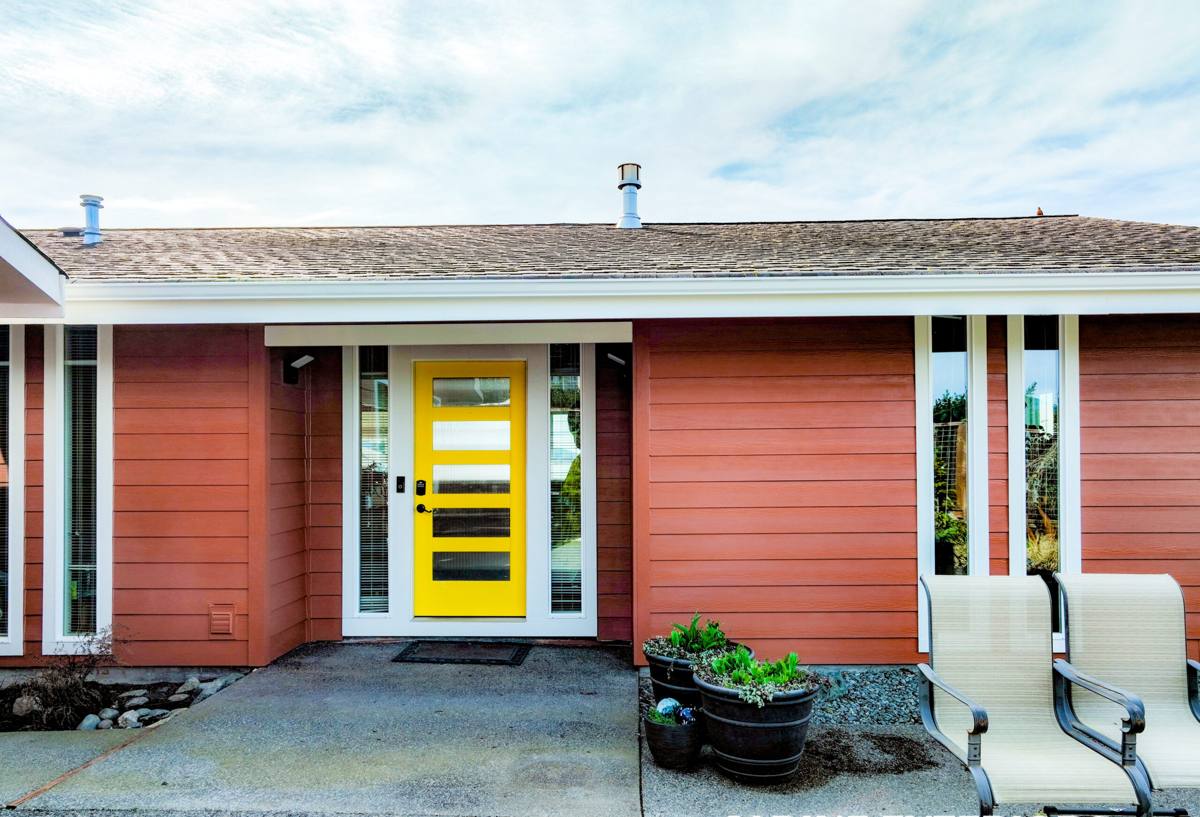
What the Regional Climate Actually Does to a Window Over Time
Seattle doesn't get brutal winters, but it gets something arguably harder on windows: sustained moisture. Driving rain — the kind that comes in at an angle during a windstorm off the Sound — tests horizontal surfaces and seals that a straight-down rain never would. Combined with our long stretch of overcast, damp months, that's a lot of cumulative exposure on wood sills, frame joints, and flashing details.
Moss and Organic Growth
Our extended moss season isn't just a roofing problem. Moss and algae take hold anywhere organic buildup meets consistent moisture and shade — window sills, the tops of trim boards, and gaps where caulking has started to fail. Once moss gets a foothold in a seam, it holds water against the material and accelerates rot in wood-frame windows or breaks down sealants on vinyl and aluminum units faster than they're rated for.
Salt Air and Corrosion
Homes throughout the greater Seattle area sit within the broader Puget Sound air system, and salt-laden air can accelerate corrosion on window hardware — hinges, cranks, and metal fasteners — especially on older aluminum-frame windows or where finishes have worn thin. It's a slower process than direct coastal exposure, but it adds up over decades, particularly on windows facing prevailing weather.
Temperature Swings and Condensation
Seattle's temperature swings are modest compared to the rest of the country, but our humidity is not. Single-pane and older double-pane windows in this climate commonly show interior condensation, which over years contributes to sill rot and mold at the corners — one of the most common issues we see when we pull old windows out of King County homes.
Signs a Rainier Valley Home Needs Window Replacement, Not Just Repair
Not every problem window needs full replacement. But when several of the following show up together, repair usually becomes a losing bet against the cost of doing it right once.
- Visible fogging or moisture trapped between panes of a double-pane window — the seal has failed and can't be restored
- Soft, spongy, or discolored wood at the sill or lower corners of the frame
- Windows that won't stay open, won't latch, or have become difficult to operate
- Persistent moss or dark staining at the sill that returns shortly after cleaning
- A noticeable draft or cold spot near the window even when it's fully closed
- Rising heating bills without another clear explanation
- Visible daylight or gaps around the frame from outside
- Paint that bubbles or peels specifically around the window opening, suggesting moisture intrusion behind the trim
What a Correct Window Replacement Job Actually Involves
Window replacement looks simple from the outside — old window out, new window in — but the work that determines whether it lasts happens in the details most homeowners never see.
Retrofit vs. Full-Frame Replacement
Most window jobs in this area fall into one of two categories. A retrofit (or "pocket") replacement reuses the existing frame and installs a new window inside it — faster and less invasive, appropriate when the existing frame is sound. A full-frame replacement removes the window down to the rough opening, which is necessary when there's any sign of rot, water damage, or a frame that's out of square. We assess which approach a given opening actually needs rather than defaulting to whichever is faster for us.
Flashing and Weatherproofing
Given how much of this climate's damage comes from sustained moisture rather than a single storm, flashing detail is where a window replacement succeeds or fails long-term. That means proper sill pan flashing, correctly lapped house wrap or building paper around the opening, and sealant used at the right points — not as a substitute for proper flashing, which is a common shortcut that fails within a few wet seasons.
Insulation and Air Sealing
The gap between the new window frame and the rough opening needs to be insulated and air-sealed correctly — not overpacked with expanding foam, which can bow a frame, and not left with gaps, which defeats the purpose of the new window entirely.
Choosing Materials That Hold Up to Local Conditions
There's no single "best" window material — the right choice depends on the home's style, the homeowner's maintenance preferences, and budget. Here's how the common options actually perform in a wet, moss-prone, marine climate like ours.
| Material | Moisture Behavior | Maintenance | Good Fit For |
|---|---|---|---|
| Vinyl | Doesn't rot or corrode; seams and seals are the main long-term concern | Low — occasional cleaning | Most homes prioritizing value and low upkeep |
| Fiberglass | Very stable in moisture and temperature swings; minimal expansion/contraction | Low | Homes wanting long-term durability and a slimmer sightline |
| Wood | Handsome but requires diligent finish maintenance to resist our damp season | High — regular painting/sealing | Historic or craftsman homes where authenticity matters |
| Wood-Clad | Exterior clad in vinyl, fiberglass, or aluminum protects the wood from direct moisture exposure | Moderate | Homeowners wanting a wood interior look with better exterior protection |
| Aluminum | Prone to corrosion over time in our air, and a poor thermal performer | Moderate | Limited use; generally not our recommendation for this climate |
We're generally cautious about recommending bare aluminum-frame replacements in this climate — not because the product is defective, but because its thermal performance and corrosion resistance simply aren't a strong match for sustained Puget Sound moisture and our energy code expectations. That's a professional judgment call, not a knock on any manufacturer.
What Actually Drives the Cost of a Window Job
We won't quote a number without seeing the home, but the honest range for a window replacement project depends on a handful of factors that are worth understanding upfront.
- Frame condition — a retrofit is less labor than a full-frame replacement with rot repair
- Window count and size — larger openings and specialty shapes cost more per unit
- Material choice — vinyl, fiberglass, and wood-clad carry different price points
- Glass package — double vs. triple pane, and any low-E or gas-fill upgrades
- Access and site conditions — second-story or hard-to-reach windows take more time
- Permitting requirements — some Seattle jobs require permits depending on scope and whether structural work is involved
How Our Process Works
Assessment and Measurement
We start by looking at every window being considered — not just measuring the opening, but checking the frame, sill, and surrounding trim for moisture damage that affects the scope of work.
Straight-Talk Proposal
You get a clear written scope: which windows, what material and glass package, retrofit or full-frame, and what it costs — no pressure to upgrade beyond what the home actually needs.
Install Day
Old windows come out carefully to protect surrounding siding and interior finishes. New units go in with proper flashing, insulation, and air sealing at every opening, not just the ones that are easy to reach.
Cleanup and Walkthrough
We clear debris, check that every window operates smoothly, and walk the job with you before we consider it done.
Why Local Experience in Rainier Valley Matters
A crew that regularly works in Rainier Valley and the surrounding Seattle neighborhoods has already seen how this housing stock ages — where older bungalows tend to have rot hiding behind trim, how mid-century ramblers were originally framed, and what King County permitting actually requires for a given scope of work. That experience shows up in fewer surprises mid-project and a job that's sized correctly from the first estimate, rather than a change order once the old window comes off the wall.
It also means we're not guessing at how a product will hold up here — we're basing material and installation decisions on what actually performs through a full Puget Sound wet season, moss season included, not just what looks good on a spec sheet.
If your windows in Rainier Valley are showing their age — drafts, fogging, sticking sashes, or moisture damage at the sill — we're glad to take a look. Request a free, no-pressure estimate using the form below, and we'll give you an honest read on what your windows actually need.