 Seattle
 Beacon Hill's Climate Is Hard on Windows
Beacon Hill sits on one of Seattle's higher ridgelines, which means homes here take weather from more directions than houses tucked into a low, sheltered lot. Over a typical King County year, that adds up to a lot of exposure: months of driving rain, marine air off Puget Sound that carries salt and moisture even well inland, and a long stretch of gray, damp weather each fall and winter that's perfect for moss and mildew to take hold on anything that stays wet too long. Windows sit right at the front line of all of that.
A lot of Beacon Hill's housing stock is older — bungalows, Craftsman-era homes, and mid-century builds mixed in with newer construction. Older wood-frame windows were well built for their time, but decades of Seattle winters wear down glazing putty, warp sashes, and rot sills from the inside out, often before anything looks obviously wrong from the street. Replacing windows correctly on a home like this isn't just a cosmetic upgrade — it's about stopping water from getting into the wall assembly in the first place.
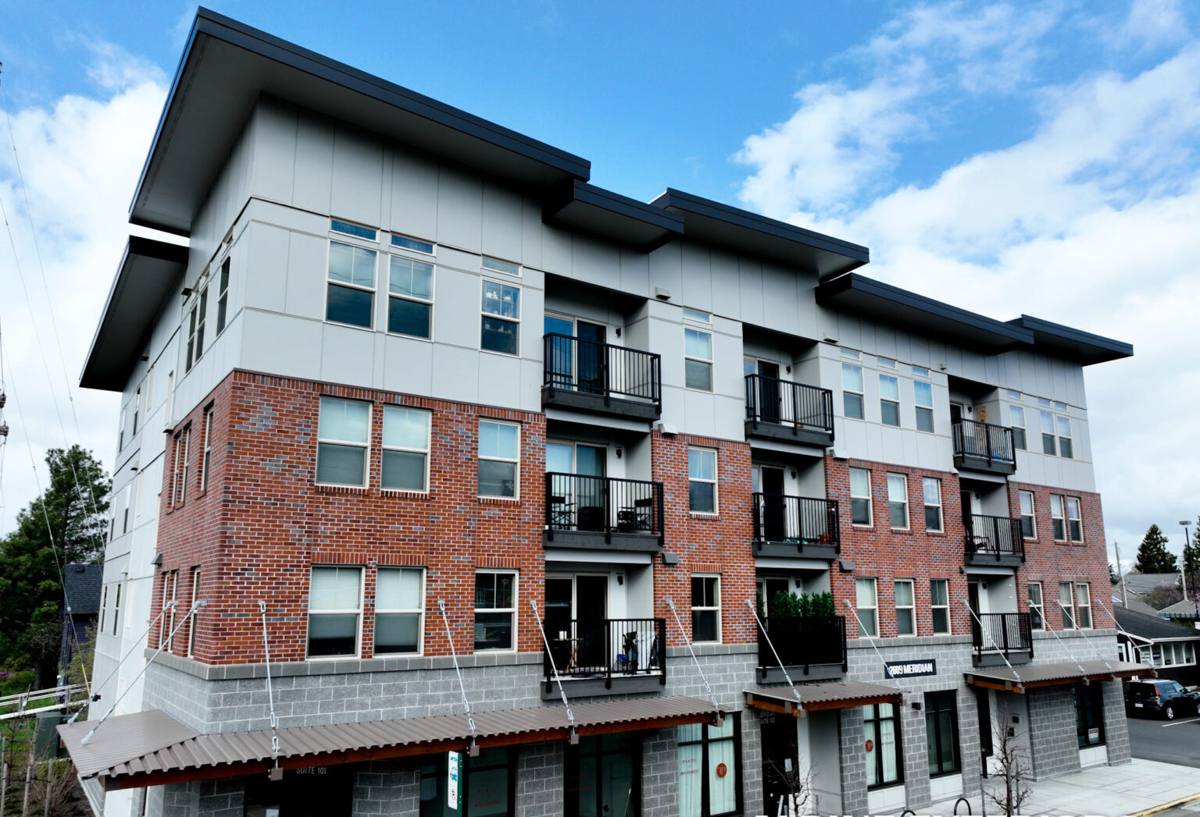
Signs Your Windows Have Reached the End of Their Useful Life
Not every old window needs to come out today. But there's a point where repair stops making sense and replacement becomes the honest recommendation. Common signs we look for on Beacon Hill homes include:
- Fogging or a milky haze between panes on dual-pane windows — the seal has failed and the gas fill (or simple dead air space) is gone
- Soft, spongy, or visibly rotted wood at the sill or lower frame corners
- Windows that won't stay open, won't latch, or have been painted shut
- Visible daylight or a clear draft around the frame when it's closed
- Moss, algae, or dark streaking building up on the exterior trim or sill
- Noticeably higher heating bills in winter with no other explanation
- Condensation forming on the inside of the glass regularly, even in mild weather
If you're only seeing one or two of these on a single window, a repair or reglaze might still be worth doing. If it's showing up across most of the house, that's usually a sign the whole window line has aged out together, which is common in homes built or last updated around the same era.
What a Correct Window Replacement Job Actually Involves
Swapping in a new window is easy to do poorly and easy to describe as "done" while still leaving the house vulnerable. The install work — not the window itself — is what determines whether a home stays dry for the next twenty years.
Full-Frame vs. Insert Replacement
There are two basic approaches. A pocket or "insert" replacement fits a new window into the existing frame, which is faster and less invasive but only makes sense when the existing frame and sill are still structurally sound. A full-frame replacement removes the old frame down to the rough opening, which is the right call whenever there's rot, water damage, or the opening needs to be resized. On older Beacon Hill homes, we check the sill and framing condition before recommending either option — guessing here is how homeowners end up paying twice.
Flashing and Weatherproofing
This is the part that actually keeps water out, and it's the part that gets rushed on cheap jobs. Proper installation means integrating flashing tape or building paper correctly with the existing wall's water-resistive barrier, sloping the sill pan so any water that gets past the window drains back outside instead of into the wall cavity, and sealing the exterior trim with a compatible sealant — not just caulk smeared over gaps. Done wrong, a brand-new window can leak worse than the old one it replaced.
Insulation and Air Sealing
The gap between the new window frame and the rough opening needs to be filled with a low-expansion foam or backer rod and sealant, not stuffed with fiberglass batting alone. That gap is a major source of drafts and energy loss if it's left loose or overfilled.
Choosing the Right Window Material for a Beacon Hill Home
There's no single "best" window material — it depends on the home's age, your budget, and how much upkeep you want to take on. Here's how the common options compare for a marine climate like Seattle's:
| Frame Material | Moisture Resistance | Maintenance | Typical Fit |
|---|---|---|---|
| Vinyl | Very good — won't rot or corrode | Low — occasional cleaning | Budget-conscious replacements, rear or side elevations |
| Fiberglass | Excellent — dimensionally stable in wet/dry cycles | Low | Larger openings, homes wanting a longer-term investment |
| Wood (clad exterior) | Good, if the cladding and flashing are done right | Moderate — interior wood still needs occasional attention | Craftsman and older homes where matching original trim profiles matters |
| Aluminum | Fair — prone to condensation without a thermal break | Low | Less common for residential Seattle retrofits |
For street-facing elevations on older Beacon Hill homes, we often talk through wood-clad or vinyl options that match the original window proportions rather than defaulting to whatever's cheapest — it's usually a smaller cost difference than homeowners expect, and it keeps the house looking like it belongs to its era.
Glass Packages: What's Worth Paying For
Modern replacement windows are almost always dual-pane at minimum, but the details inside that glass unit matter more than most homeowners realize:
- Low-E coating — a microscopically thin metallic layer that reflects heat back into the home in winter and blocks solar heat in summer; standard on nearly every quality window today
- Argon or krypton gas fill — improves insulation slightly over plain air fill; a reasonable upgrade, not a dramatic one
- Warm-edge spacers — the material separating the two panes at the edge; a poor spacer is often the first thing to fail and cause fogging down the road
- Tempered glass — required by code in certain locations (near doors, low to the floor, in wet areas) regardless of what you'd otherwise choose
We'll walk through which of these make sense for your specific windows rather than upselling every option across the board.
Our Process, Start to Finish
The process is straightforward, and we keep it that way on purpose:
- Free on-site assessment — we check every window you're considering, including sill and framing condition, not just count openings
- Honest recommendation on repair vs. replacement, and full-frame vs. insert where it applies
- Written estimate with material and labor broken out, so you know what you're paying for
- Scheduled installation, typically completed in a single day for most homes
- Proper flashing, insulation, and exterior trim sealing on every opening — not an optional add-on
- Walkthrough and cleanup before we consider the job done
We don't push a package deal on homeowners who only need a handful of windows addressed. If three windows on the north side are the real problem and the rest are fine, that's what we'll tell you.
Why It Matters to Hire a Crew That Already Works Beacon Hill
Window replacement looks similar on paper everywhere, but the details that matter — flashing details for our rain patterns, matching trim on older homes, knowing which failure points show up first on houses built in this era — come from doing the work locally and repeatedly, not from a general contractor passing through once. A crew that already knows Seattle's building patterns and King County permitting requirements can move faster and avoid the guesswork that leads to callbacks. Being local also means we're around for a warranty follow-up or a question six months later, not a phone number that stops answering once the invoice is paid.
After Installation: Keeping New Windows Performing Well
New windows still need a little attention in a climate like ours. Rinse exterior sills and frames a couple of times a year to keep salt residue and grime from building up, keep weep holes (the small drainage openings along the bottom of the frame) clear of debris and moss, and check exterior caulking annually — sealant is the one part of the install that does wear out over time and is easy to touch up before it becomes a leak. We're happy to point out what to watch for on your specific windows once they're in.
If your windows are drafty, fogged, hard to operate, or just old enough that you're wondering, we'll come take an honest look. The estimate is free, there's no pressure, and you'll get a straight answer about what actually needs to be done — you can request one using the form below.