 Seattle
 Windows Built for Queen Anne's Particular Climate
Queen Anne sits high above the water, which gives homes here some of the best views in Seattle — and some of the toughest exposure. That elevation means more wind-driven rain hitting window walls directly, more salt-laden air blowing in off Puget Sound, and long stretches of gray, damp months where wood, vinyl, and even aluminum frames stay wet far longer than they would in a drier climate. Add King County's moss season, which can run from fall through spring, and you have an environment that punishes weak seals, poor flashing, and low-grade materials faster than most parts of the country.
None of this means Queen Anne homeowners need to over-build or overspend. It means the details that get skipped on a rushed job — flashing sequence, sill pitch, glazing compatibility with older framing — matter more here than they would somewhere dry. We've replaced and repaired windows across Seattle's older neighborhoods long enough to know which failure points show up first in this climate, and we build every custom window job around avoiding them.
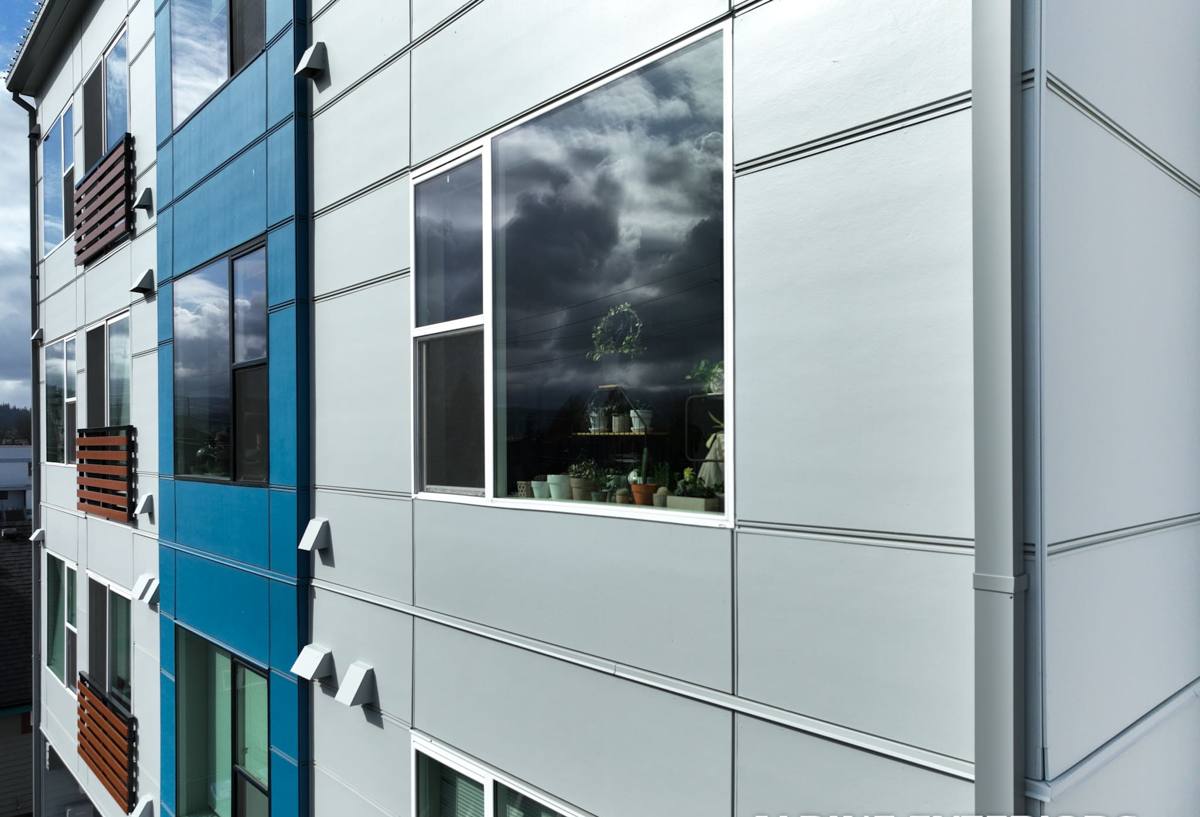
What "Custom" Actually Means for Queen Anne Housing Stock
Queen Anne has a real mix of housing ages and styles — early-1900s craftsman and foursquare homes near the top of the hill, mid-century houses on the slopes, and newer infill construction filling in the gaps. Custom window work here isn't about exotic shapes; it's about matching windows correctly to what's already there.
Older Homes (Pre-1960s)
Original openings in older Queen Anne homes are rarely standard modern sizes. Walls have settled, framing has shifted slightly over decades, and trim details — deep sills, wood casing profiles, divided-light patterns — are often part of what gives the house its character. Custom sizing lets us fit the actual opening instead of forcing a stock size and papering over gaps with extra trim, which is one of the more common shortcuts that leads to water intrusion later.
Mid-Century and Later Homes
These often have larger glass areas and different framing depths, especially where a home has view windows facing the water or downtown. Custom units let us maintain sightlines and glass size while upgrading performance — something a limited stock-size catalog usually can't match.
What a Correct Custom Window Job Involves
- Accurate field measurement of each opening — not assumed "standard" sizes
- Inspection of existing framing and sill condition for rot, soft wood, or prior water damage before ordering anything
- Correct flashing sequence (not just caulk) so water sheds outward, not into the wall cavity
- Sill pitch and drainage path that actually moves water out, not toward the interior
- Frame material and finish selected for this climate's moisture and salt exposure, not just appearance
- Proper insulation and air-sealing around the new frame, not just foam sprayed in gaps
- Interior and exterior trim work that matches the home's existing lines
Frame Material: What Holds Up Here
Every frame material has trade-offs, and we'll walk you through them honestly rather than push whatever's easiest to install.
| Material | How It Handles Seattle's Climate | Maintenance | Best Fit |
|---|---|---|---|
| Fiberglass | Very stable in wet/dry cycling, doesn't warp or corrode from salt air | Low — occasional cleaning | Most Queen Anne homes, especially higher-exposure sites |
| Vinyl | Good moisture resistance, but lower-end vinyl can discolor or become brittle over time in UV and salt exposure | Low | Budget-conscious replacements where appearance flexibility isn't critical |
| Wood (clad exterior) | Excellent for matching historic character; needs consistent maintenance where exposed to driving rain | Moderate to high on unclad surfaces | Homes where matching original wood trim details matters most |
| Aluminum | Strong but conducts cold and can corrode faster near salt air without proper coatings | Moderate | Specific modern designs where thin sightlines are the priority |
We don't push a single "best" material because the right answer depends on the home's age, exposure, and how much upkeep the owner actually wants to commit to. A window on a wind-exposed west-facing wall near the top of the hill has a different set of demands than one tucked into a sheltered side yard.
Glazing and Weatherproofing for a Wet, Mossy Climate
Glass performance matters as much as frame choice in this region. Double-pane, low-E glazing is standard for most Queen Anne homes now, cutting heat loss and reducing condensation on interior glass during cold, damp mornings — a common complaint in older single-pane homes. For homes closer to arterial noise or with view-side exposure to wind, we'll discuss whether upgraded glazing packages are worth the added cost for your specific situation.
Moss and algae growth on north-facing or shaded sills and trim is a normal part of life in this climate, not a sign of a bad install. What we control for is drainage: sills pitched correctly, weep paths kept clear, and trim details that don't trap standing water against the frame. A window that drains properly will stay in much better condition through moss season than one where water pools against the sill year after year.
Our Process, Start to Finish
- On-site assessment: We look at each opening, check framing and sill condition, and talk through your goals — energy performance, matching existing trim, larger glass, or simply replacing failing windows.
- Measurement and material selection: Custom units are measured to the actual opening, and we walk through frame and glazing options with honest trade-offs, not a sales script.
- Prep and removal: Old windows come out carefully, with attention to what's underneath — this is where hidden rot or old flashing problems usually get found.
- Flashing and installation: Correct flashing sequence goes in before the window, not around it. This step is the single biggest factor in whether a window stays watertight for the next 20+ years.
- Insulation and sealing: Gaps are properly insulated and air-sealed, not just caulked over.
- Trim and finish work: Interior and exterior trim is matched to the home's existing lines wherever possible.
- Final walkthrough: We check operation, seals, and finish work with you before calling the job done.
Why Local Experience on This Hill Matters
Queen Anne's elevation and exposure aren't uniform — a home near the top catching wind straight off the Sound needs different flashing and sealing attention than one lower on the slope in a more sheltered spot. A crew that only sees a house once has to guess at these differences. A crew that regularly works Seattle's hillside neighborhoods already knows which sides of a home take the worst weather, which framing quirks show up in homes of a certain era, and which shortcuts cause callbacks two winters later.
That experience also shows up in small things: knowing which permit and inspection steps King County and the City of Seattle require for window replacement on older homes, recognizing lead-safe work practices when disturbing old painted trim (common in pre-1978 construction), and understanding how Queen Anne's mix of historic and modern homes affects what "matching" the existing exterior actually requires.
Signs Your Queen Anne Home's Windows Need Attention
- Fogging or moisture between panes (failed seal on double-pane glass)
- Drafts you can feel near the frame, even with the window closed
- Wood trim or sills that are soft, discolored, or visibly rotting
- Windows that stick, won't stay open, or are difficult to lock
- Visible gaps between the frame and siding or trim
- Persistent condensation on interior glass during cold months
- Noticeable heat loss or higher heating bills without another clear cause
Not every one of these means full replacement is necessary — sometimes it's a repair, reseal, or flashing fix. Part of an honest assessment is telling you when replacement isn't actually needed yet.
Cost Factors to Understand Before You Get Quotes
| Factor | Why It Affects Price |
|---|---|
| Number and size of openings | More glass area and more units directly increase material and labor cost |
| Frame material | Fiberglass and clad wood generally cost more upfront than vinyl but require less long-term upkeep |
| Condition of existing framing | Hidden rot or old water damage found during removal adds repair work before new windows can go in |
| Custom sizing complexity | True custom sizes for older, settled openings take more precise fabrication than stock sizes |
| Trim and finish matching | Replicating historic trim profiles or wood finishes adds labor beyond a basic install |
| Glazing upgrades | Higher-performance glass packages cost more but can meaningfully cut noise and heat loss |
We'll never give a real number without seeing the openings first — anyone who quotes a whole-house window job over the phone is guessing. What we can tell you upfront is that the biggest cost swings usually come from hidden framing damage and how closely you want new windows to match existing trim, not from the glass itself.
Get a Straight Answer for Your Home
If your Queen Anne home's windows are drafty, fogged, hard to operate, or just original single-pane units that have never been upgraded, we're happy to take a look and give you a straightforward assessment — no pressure, no upsell script. Fill out the form below to schedule a free estimate, and we'll tell you honestly what your windows need and what they don't.