 Seattle
 Roof Repair Built for Queen Anne's Climate and Terrain
Queen Anne sits high above the rest of Seattle, which is part of what makes it such a desirable place to live — and part of what makes its roofs work harder than roofs in more sheltered parts of King County. The elevation and exposure to wind off Puget Sound and Elliott Bay mean roofs here take more direct weather than homes tucked into lower, tree-shielded neighborhoods. Add in the long Pacific Northwest wet season and Seattle's mild, moisture-friendly climate, and you have a roofing environment that punishes shortcuts and rewards proper repair work.
Salt Air and Wind Off the Water
Homes on the hill's western and northern exposures pick up salt-laden air moving in off the Sound. Over years, that air accelerates corrosion on exposed metal — flashing, fasteners, vent caps, gutter hardware — well before it would fail on a similar roof further inland. When we repair flashing or replace fasteners on a Queen Anne roof, we account for that corrosion timeline rather than assuming standard-grade hardware will hold up as long as it might elsewhere in the region.
Moss Season and Sustained Moisture
Seattle's long stretch of overcast, drizzly months keeps roof surfaces damp for extended periods, and shaded sections of a roof — under mature trees, on north-facing slopes, in valleys where two roof planes meet — rarely get a chance to fully dry out. That's exactly the environment moss and moisture-loving organic growth need to take hold. Moss isn't just cosmetic; it holds water against the roofing surface, lifts shingle edges, and works its way into seams over time. A repair that doesn't address the moisture source just buys you a year or two before the same spot fails again.
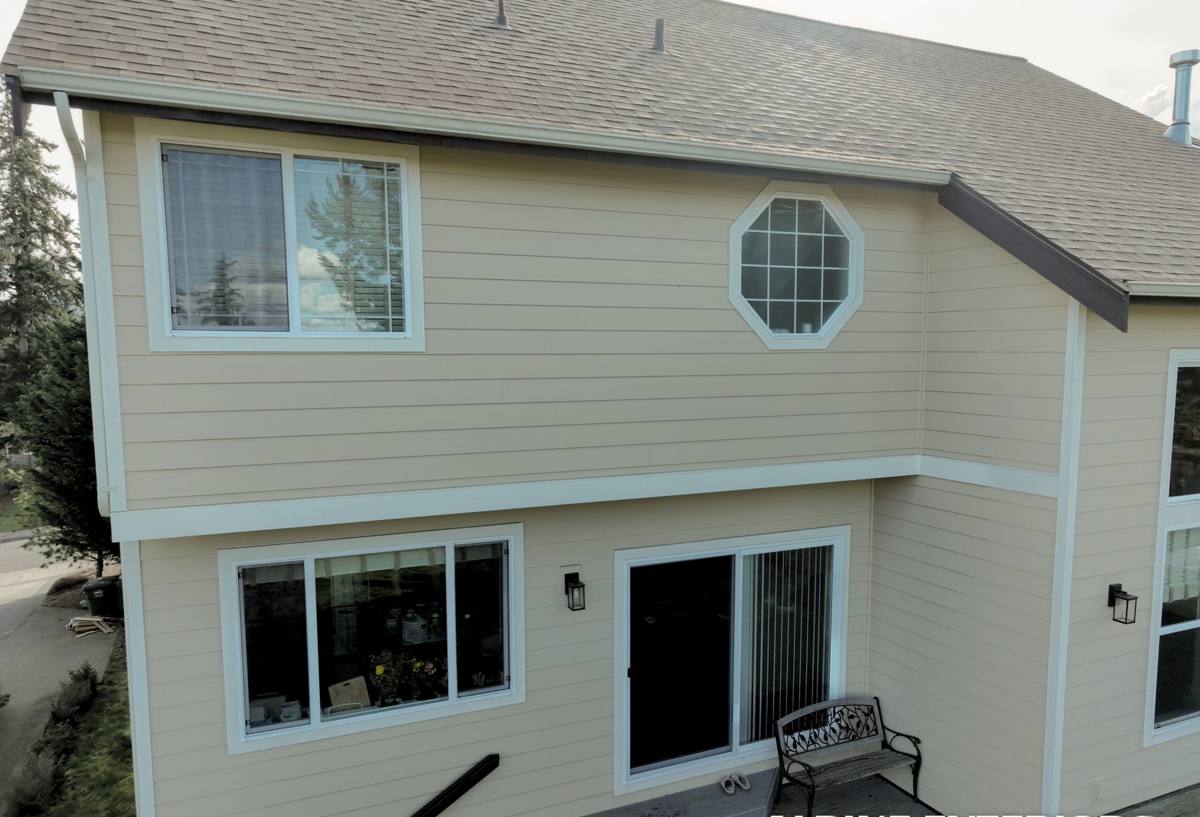
Warning Signs Your Queen Anne Roof Needs Attention
Most roof failures don't happen suddenly — they show warning signs for months, sometimes longer, before you see a stain on the ceiling. Because Queen Anne's driving rain often comes in at an angle off the water, water intrusion problems here tend to show up around penetrations and edges before they show up mid-roof.
- Granules collecting in gutters or at the base of downspouts (a sign of shingle wear)
- Moss or dark streaking concentrated on shaded or north-facing sections
- Curling, cracked, or lifted shingle edges, especially near ridges and hips
- Rust staining or visible gaps around flashing at chimneys, skylights, and vent pipes
- Ceiling stains, especially ones that appear or worsen only during heavy, wind-driven rain
- Sagging or soft-feeling sections when walked, which can point to deck damage underneath
- Daylight visible through the attic roof deck at seams or nail points
If you notice any of these, it's worth having it looked at before the next storm system rather than after.
What a Correct Roof Repair Actually Involves
Diagnosing the Real Problem, Not Just the Symptom
A leak stain on a ceiling doesn't always sit directly below the point where water is entering the roof — water can travel along rafters or sheathing before it shows itself indoors. A correct repair starts with tracing the path, not just patching the spot that's visible from the ground. That means getting on the roof, checking the attic side where accessible, and looking at flashing, underlayment condition, and deck integrity around the suspected area, not just the shingles.
Matching Materials and Technique to the Existing Roof
Repairs should blend into the surrounding roofing system, not just cover the damaged spot. That means using compatible shingle types and weights, proper flashing profiles at valleys and penetrations, and fasteners rated for the exposure the section actually sees. On older Queen Anne homes with roofing systems that have been repaired or added onto over the years, this sometimes means adapting technique to what's already there rather than forcing a one-size-fits-all fix.
Addressing Ventilation and Moisture, Not Just the Leak
Poor attic ventilation traps warm, moist air against the underside of the roof deck, which accelerates rot and can cause condensation that mimics a leak. Part of doing a repair right is checking whether ventilation is contributing to the problem — because patching the roofing material without addressing trapped moisture underneath means the same damage keeps developing from the inside.
Repair or Replace: How We Help You Decide
Not every roof problem needs a full replacement, and not every roof is a good candidate for another round of patching. We look at the whole picture before recommending either path.
| Factor | Favors Repair | Favors Replacement |
|---|---|---|
| Age of roofing material | Well within expected lifespan | At or past typical service life for the material |
| Extent of damage | Isolated to one area or penetration | Spread across multiple sections or slopes |
| Deck condition | Solid, no rot or soft spots | Soft decking, rot, or repeated water staining |
| Repair history | First or second repair in that area | Same spot has been patched multiple times |
| Moss and moisture damage | Surface growth, minimal shingle lift | Growth has worked under shingles or into seams broadly |
We'll walk you through what we actually find and why we're recommending one path over the other — including when a repair is the honest, cost-effective answer, not just the smaller job.
Our Roof Repair Process
- Inspection. We get on the roof and, where accessible, check the attic side to find the actual source of the problem, not just where it's showing.
- Straight explanation. We tell you what we found, what's causing it, and what the repair does and doesn't fix — before any work starts.
- Written estimate. A clear scope of work and price, so there are no surprises once the crew is on the roof.
- The repair itself. Removing and replacing damaged material, correcting flashing where needed, and addressing any moisture or ventilation issue contributing to the problem.
- Cleanup and check. Debris and old material removed, gutters cleared of anything generated by the work, and a final check that the repair is sound.
Roofing Materials We Work With in Queen Anne
Queen Anne's housing stock ranges from older craftsman and character homes to newer construction, and roofing materials vary accordingly. Most repair work we do involves asphalt composition shingles, which remain the most common roofing material in the neighborhood, along with cedar shake on some older homes and low-slope membrane roofing on additions, dormers, or porch sections.
Why We're Careful With Cedar Shake Repairs
Cedar shake has real character and is common on some of the neighborhood's older homes, but it comes with a higher maintenance burden in a climate this wet — it needs consistent airflow underneath to dry properly between rain events, and shakes that stay damp too long are more prone to splitting and moss colonization. When we repair a cedar shake section, we make sure spacing and ventilation are correct, not just that the visible shake is replaced, because a repair that ignores drying conditions tends to fail again in the same spot.
Low-Slope and Flat Sections
Additions, bay windows, and porch roofs on Queen Anne homes are often low-slope and use membrane or built-up roofing rather than shingles. These sections see more standing water during Seattle's wet months and need seams and edge details done correctly the first time — a small installation error on a flat roof shows up as a leak much sooner than the same mistake would on a steep-slope roof.
What Affects the Cost of a Roof Repair
Every roof and every repair is different, so we don't quote firm numbers without seeing the job — but these are the main factors that move the price up or down.
| Factor | Effect on Cost |
|---|---|
| Roof accessibility and pitch | Steep or hard-to-reach roofs take longer and need more safety setup |
| Size of the damaged area | Larger or multiple repair areas add material and labor time |
| Deck repair needed | Rotten or soft sheathing adds carpentry work beyond the roofing surface itself |
| Material match | Matching existing shingle color/profile or cedar grade can affect sourcing cost |
| Flashing scope | Full flashing replacement at chimneys or valleys costs more than a spot fix |
We give you a written estimate before any work begins, and we'll explain what's driving the price so you're not just looking at a number.
Why Hiring a Crew That Already Works Queen Anne Matters
Roofing work on Queen Anne comes with practical considerations that a crew unfamiliar with the neighborhood might not anticipate: steep, narrow streets that affect equipment staging; homes built close together where access and neighbor coordination matter; older construction where roof framing and prior repairs don't always match modern assumptions; and building permit or code requirements that apply within Seattle and King County. A crew that regularly works this neighborhood already has a feel for these details, which means fewer surprises during the job and a repair that's planned correctly from the start rather than adjusted on the fly.
Protecting Your Roof Between Repairs
A repair holds up longer when it's not fighting neglect in between service visits. A few habits make a real difference in a climate like Seattle's:
- Clear gutters and downspouts before the fall rains start and again mid-winter if trees are nearby
- Trim back overhanging branches that keep sections of roof shaded and slow to dry
- Have moss treated or removed before it works under shingle edges, not after
- Check attic ventilation isn't blocked by insulation or storage
- Have the roof looked at after any major windstorm, even if nothing looks obviously wrong from the ground
If you're seeing signs of a problem, or it's just been a while since your Queen Anne roof was checked, we're happy to take a look and give you a straight assessment. Fill out the form below for a free, no-pressure estimate.