 Seattle
 Why Siding Choice Matters More in Fremont Than It Looks
Fremont sits close to the water, and that proximity shapes everything about how exterior materials age here. Homes in this part of Seattle deal with a near-constant supply of moisture — not just rain, but the damp, salt-tinged air that moves in off Puget Sound and settles against north- and west-facing walls for months at a time. Add King County's long gray season, where surfaces can stay wet for days without a real drying window, and you get a climate that is genuinely tough on exterior materials, even ones that look fine for the first few years.
Moss is the most visible symptom. It doesn't just grow on roofs — it colonizes siding seams, trim joints, and anywhere water sits a little longer than it should. Underneath that green film, moisture is doing slow damage to whatever material is holding the wall together. The siding that survives this well isn't necessarily the cheapest or the most popular; it's the one engineered for exactly this kind of exposure.
What Fremont's Climate Actually Does to Siding
It helps to be specific about the failure modes we see in this neighborhood, rather than talking about "wet weather" in the abstract.
- Salt-laden marine air accelerates corrosion of fasteners, flashing, and any exposed metal trim — and it degrades weaker paint and coating systems faster than inland exposure would.
- Driving rain pushed by wind off the water finds gaps in flashing, caulk joints, and butt seams that would stay dry in a calmer climate.
- Extended moss season — often stretching from fall through spring here — keeps organic growth and trapped moisture in contact with siding surfaces for months, not weeks.
- Limited direct sun on shaded lots and north-facing walls means slower drying after every rain event, which compounds all of the above.
None of this is unique to Fremont, but it's more pronounced here than in drier parts of King County further from the water. It's exactly why we treat every siding job in this neighborhood as a moisture-management project first and a cosmetic upgrade second.
What a Correct Fiber Cement Job Requires Here
Water Has to Have Somewhere to Go
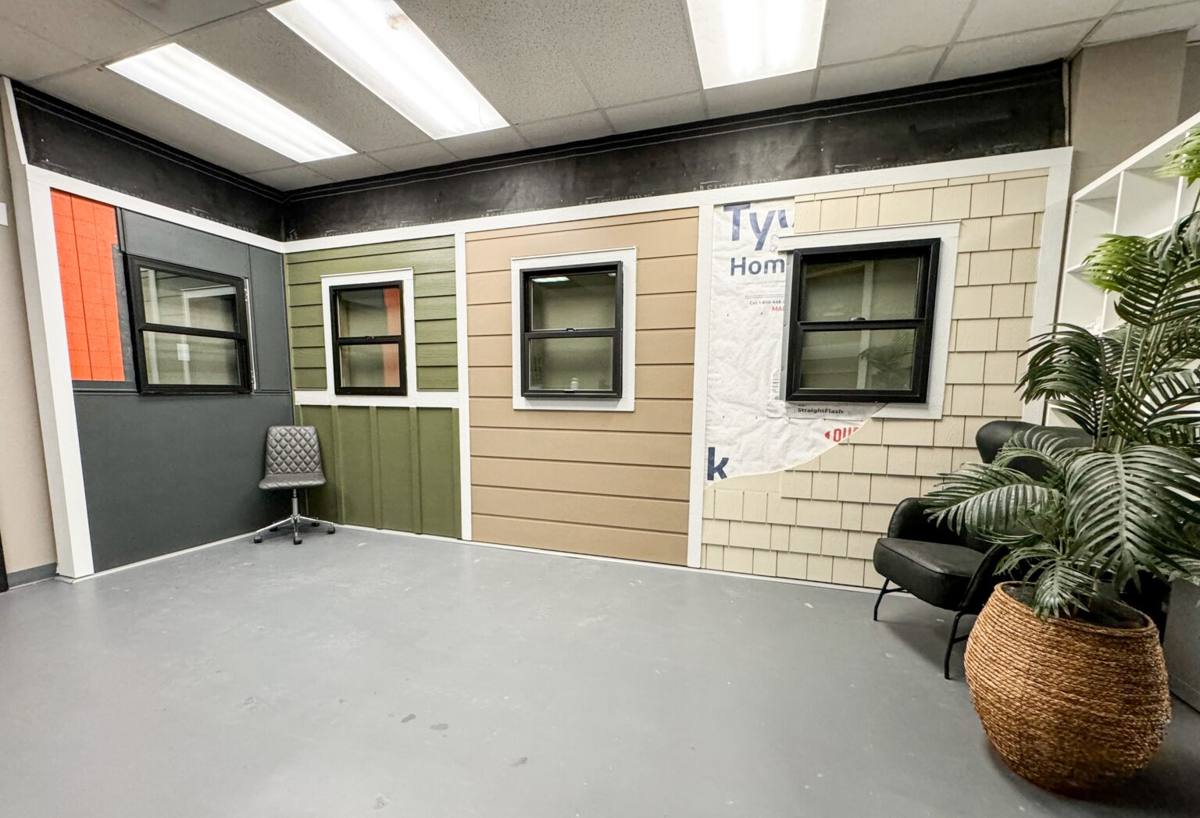
Fiber cement siding is not waterproof — it's water-resistant, and it's designed to be installed as part of a drainage system, not a solid barrier. That means a weather-resistant barrier behind the siding, properly lapped and taped, and in most cases a drainage gap that lets any water that gets behind the panels drain back out instead of sitting against the wall sheathing. Skipping the drainage plane to save labor is one of the most common corners cut on siding jobs, and it's the one that causes the most damage down the road — especially in a climate like this one.
Flashing and Joints Are Where Jobs Fail
Window heads, deck ledgers, roof-to-wall transitions, and every horizontal trim piece need flashing detailed to shed water outward, not just caulk smeared over a gap. Caulk fails; flashing, if installed correctly, does not depend on maintenance to keep water out. In a neighborhood that gets sustained driving rain, this detail work is what separates a siding job that lasts thirty-plus years from one that shows rot at the trim in five.
Fastening and Finish Matter
Fiber cement needs to be fastened per the manufacturer's specification for the local wind-and-moisture exposure zone, with corrosion-resistant fasteners set to the correct depth — overdriven nails crack the material and create entry points for water. We use a factory-applied finish system rather than field-painted siding wherever possible, because factory finishes are baked on under controlled conditions and hold color and water resistance far longer than a job-site paint job exposed to Seattle's damp curing conditions.
Why We Install Only James Hardie Fiber Cement
We don't install vinyl, LP SmartSide, other fiber cement brands, or bare wood siding — and we're upfront about why, rather than just steering every conversation toward what we sell.
| Material | How It Handles Sustained Moisture | Fire Performance | Typical Upkeep |
|---|---|---|---|
| Vinyl | Doesn't rot, but seams and J-channels can trap moisture behind panels; can warp or crack in temperature swings | Combustible; can melt or deform near heat sources | Low, but limited repairability if damaged |
| Engineered wood (LP SmartSide) | Wood-based core is vulnerable if the factory seal is breached at cuts or fastener points | Combustible | Moderate — cut edges and joints need ongoing attention |
| Cedar / untreated wood | Absorbs and releases moisture; prone to cupping and rot without diligent maintenance | Combustible | High — regular refinishing and moisture checks |
| James Hardie fiber cement | Cement-based composition resists moisture absorption and doesn't support rot | Non-combustible | Low — periodic cleaning and caulk checks |
Every product in that table has legitimate uses somewhere. Our standard is what holds up, un-babysat, in a marine climate with a long moss season — and after years of tear-offs and repair calls on other materials, James Hardie's cement-based composition, climate-specific HZ product engineering, and factory ColorPlus finish are what we've settled on as the right fit for homes in this part of the county. We'd rather turn down a job than install something we don't believe will perform here.
Our Process on a Fremont Job
The steps don't change much house to house, but the attention to detail at each one is where quality actually comes from.
- On-site assessment. We check existing siding, sheathing, and trim for hidden moisture damage before quoting anything — this determines whether it's a straightforward re-side or if rotted sheathing needs to be addressed first.
- Tear-off and inspection. Old siding comes off in sections so we can inspect the sheathing underneath as we go, not just at the start.
- Weather barrier and drainage plane. A new, properly lapped weather-resistant barrier goes on, with drainage detailing at the base of walls and around all penetrations.
- Flashing at every transition. Windows, doors, roof lines, and deck attachments get flashed before a single piece of siding goes up.
- Installation to Hardie's fastening spec. Correct nailing pattern, gapping, and fastener depth for our exposure zone.
- Trim, caulking, and touch-up. Factory-finished panels need minimal field painting, but cut edges and seams get properly sealed.
- Final walkthrough. We check reveal lines, corners, and flashing details with the homeowner before calling the job done.
Signs a Fremont Home Needs New Siding
Homeowners often wait too long because siding damage hides behind the obvious symptom.
- Persistent moss or dark staining that comes right back after cleaning
- Siding that feels soft, spongy, or flexes when pressed near the bottom edges or trim
- Paint that's bubbling, peeling, or failing faster than it used to
- Visible cupping, warping, or cracked boards, especially on north- or west-facing walls
- Gaps opening up at butt joints, corners, or window trim
- A musty smell or visible staining on interior walls near exterior corners
Any one of these on its own might just need a repair. Several together, especially on the wet-exposed sides of the house, usually mean the underlying weather barrier has been compromised and it's time for a real assessment rather than another round of pressure washing.
What Drives the Cost of a Fiber Cement Job
We don't quote sight-unseen, but these are the factors that move a project's cost up or down, so you know what you're actually paying for.
| Factor | Why It Matters |
|---|---|
| Home size and number of stories | More wall area and height affect material quantity, scaffolding, and labor time |
| Condition of existing sheathing | Hidden rot found during tear-off adds repair scope before new siding can go on |
| Trim and architectural detail | Dormers, bay windows, and complex rooflines multiply flashing and cutting work |
| Siding profile and color line chosen | Different Hardie profiles and ColorPlus finishes carry different material costs |
| Tear-off vs. new construction | Removing and disposing of old siding adds labor that new-build projects skip |
| Accessory structures included | Garages, sheds, and porches add square footage beyond the main house |
Living With Fiber Cement Siding in This Climate
One reason we like recommending fiber cement for this part of Seattle is how little ongoing attention it needs compared to wood or repainted surfaces. That said, "low maintenance" isn't "no maintenance" — a rinse-down once or twice a year to keep moss and mildew from taking hold, keeping gutters clear so runoff doesn't sheet down the wall face, and an occasional look at caulk joints around windows and trim will keep the whole system performing the way it's designed to. Because the finish is factory-applied, you're not looking at a repaint cycle every five to seven years the way you would with field-painted wood.
Why Hire a Crew That Already Works Fremont
Siding work in this neighborhood isn't identical to siding work in a drier suburb further from the water. A crew that already works Fremont regularly knows which walls take the worst of the driving rain, how long moss season really runs here, and what King County permitting and inspection expect for exterior work on this kind of housing stock. That familiarity shows up in the details — where extra flashing gets added that isn't strictly required by code, which corners get closer attention during tear-off, and what maintenance schedule actually makes sense for this climate rather than a generic one.
- Ask whether the crew is a certified James Hardie installer, not just a general contractor who occasionally orders the material
- Ask how they detail flashing at windows, decks, and roof transitions — this is where most failures start
- Ask what drainage plane or weather barrier system they use behind the siding
- Ask for their licensing and insurance information directly, and confirm it's current
- Ask how they handle unexpected sheathing damage found during tear-off, and how that's priced
If you're weighing siding options for a home in Fremont, we're happy to take a look and walk you through what we're seeing — no pressure, no obligation. A free estimate is a good way to find out what your home actually needs before committing to anything.