 Seattle
 Deck Building Built for Columbia City's Weather, Not Just Its Look
Columbia City sits in a part of Seattle with mature tree canopy, older housing stock, and a climate that doesn't forgive shortcuts. A deck here has to handle months of steady rain, long stretches of low sun that let moss and algae take hold, and the freeze-thaw swings that show up most winters. A deck that looks great the day it's finished but wasn't built with this climate in mind will start showing soft spots, slick surfaces, and failing fasteners within a few seasons. We build decks for King County homes with that reality in mind from the first footing to the last board.
This page covers what a correctly built deck looks like for a Columbia City property, how our process works, and why local experience matters more than most homeowners realize when it comes to decks specifically.
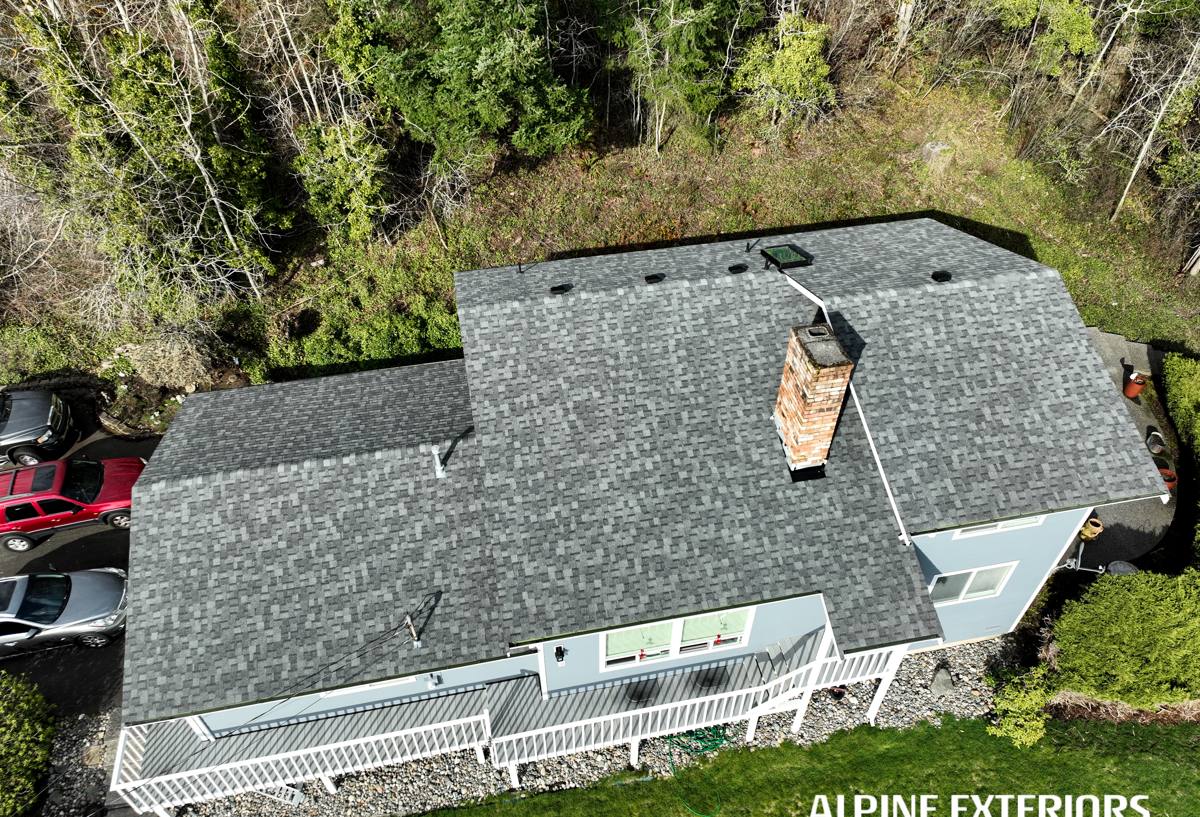
What Columbia City's Climate Does to a Deck Over Time
Seattle's marine climate means moisture is a constant, not an occasional problem. Driving rain gets pushed sideways by wind and finds its way into any gap in flashing or fastening. Shaded yards under mature trees, common throughout this part of the Rainier Valley, stay damp longer after storms, which extends what we call moss season well past the wet winter months into spring and even early summer.
Moss, Algae, and Slippery Boards
Moss and algae need shade and moisture to establish, and Columbia City's tree-lined lots provide both. Left unmanaged, they don't just look bad — they hold water against the decking surface and create a genuinely slick, unsafe walking surface, especially on stairs. The right board profile, spacing, and finish make a real difference in how fast growth returns after cleaning.
Standing Water and Slow-Drying Framing
A deck that doesn't shed water properly stays wet longer between rain events. That extended dry time is exactly what allows rot to start in framing lumber and decay to work into ledger connections. In a climate that gets meaningful rainfall most months of the year, drainage and airflow underneath the deck aren't optional details — they're the difference between a deck that lasts twenty-plus years and one that needs structural repair in eight.
What a Correctly Built Deck Actually Involves
A deck is a structure, not just a surface. Most of what separates a deck that holds up in this climate from one that doesn't happens in parts homeowners never see once the project is finished.
Footings and Framing
Footings need to sit below frost depth and bear on undisturbed, properly compacted soil — something that matters on the older, sometimes uneven lots common in this neighborhood. Joist spacing and beam sizing should be set for the actual decking material and span, not just built to a generic minimum, and all structural lumber should be rated for ground contact where it's close to grade or soil.
Ledger Attachment and Flashing
Ledger board failure is one of the most common causes of deck collapse nationally, and it's almost always a moisture and flashing problem, not a fastener problem. Proper flashing — installed correctly around and above the ledger, integrated with the home's existing siding or building paper — keeps water from tracking behind the board and rotting out the connection to the house. This is the single detail we're most careful about on every project, because it's the hardest one to fix later without tearing the deck off the house.
Fasteners and Hardware
Standard hardware corrodes fast in a wet climate, especially when it's in contact with pressure-treated lumber, which is chemically more corrosive to metal than untreated wood. We use fasteners and structural connectors rated for treated lumber and exterior exposure, and we don't mix hardware types in ways that can cause galvanic corrosion.
Choosing the Right Decking Material
There isn't one right material for every project — it depends on budget, maintenance appetite, and how much shade the deck sits in. Here's how the common options actually compare for a Puget Sound climate:
| Material | Moisture Behavior | Maintenance | Typical Lifespan Here |
|---|---|---|---|
| Pressure-treated pine | Prone to checking and warping if not sealed regularly | Annual cleaning, re-sealing every 1-2 years | 10-15 years with upkeep |
| Cedar | Naturally rot- and insect-resistant, still needs finish protection | Cleaning plus finish every 2-3 years | 15-20 years with upkeep |
| Composite decking | Doesn't absorb water or rot; surface can still hold algae film | Periodic washing, no sealing or staining | 25+ years, backed by manufacturer warranty |
| PVC decking | Fully moisture-resistant, most stable in wet-dry cycling | Lowest maintenance of the group | 25+ years, backed by manufacturer warranty |
We install both quality wood and composite/PVC systems and will give you an honest read on which fits your budget and how much time you want to spend maintaining it. Composite and PVC cost more up front but remove most of the moss-and-sealing cycle that wood decks in shaded yards deal with every year. Real wood costs less initially and can look excellent, but it only holds up if the maintenance actually happens on schedule — something worth being honest with yourself about before you choose.
Permits and Code Requirements for Seattle Decks
Seattle's Department of Construction and Inspections requires permits for most new decks, particularly anything elevated above grade, attached to the house, or built to a certain size threshold. Requirements cover things like guardrail height, stair geometry, footing depth, and setback from property lines — all of which get checked. Skipping the permit process might save time up front, but it creates real problems at resale and can leave you responsible for bringing an unpermitted structure up to code later, at your own cost.
We handle the permit process as part of our deck projects — pulling the permit, working from approved plans, and scheduling inspections — so you're not the one navigating city requirements on your own.
How Our Deck Building Process Works
Every project follows the same sequence, whether it's a modest ground-level deck or a larger elevated structure:
- On-site assessment of the yard, soil, drainage patterns, and how the house's existing siding and flashing meet the proposed ledger location
- Design and material discussion based on your budget, how much sun or shade the deck will get, and how much maintenance you want to take on
- Permit drawings and submission to the City of Seattle, with us tracking the review and inspection process
- Footing excavation and inspection before any framing goes in
- Framing, ledger flashing, and structural connections built to span and load requirements, not just minimums
- Decking installation with attention to board spacing for drainage and airflow underneath
- Final walkthrough covering care instructions specific to the material you chose
We don't skip the inspection steps to save time, and we won't cut corners on flashing or footings even in spots that are hard to see once the deck is finished. Those are the parts that determine whether the deck is still solid in fifteen years.
Living With a Deck Through a Long Moss Season
Even a well-built deck needs some seasonal attention in this climate. The goal of good construction is to reduce how much work that takes, not eliminate it entirely.
A Simple Seasonal Checklist
- Sweep debris and fallen leaves off the deck regularly in fall, when tree cover in the neighborhood sheds the most
- Wash the surface at least once or twice a year with a deck-safe cleaner to knock back algae and moss before it establishes
- Check and clear drainage gaps between boards so water isn't pooling
- Inspect fasteners and railings for corrosion or looseness once a year
- Re-seal or re-stain wood decking on the schedule the finish product calls for — don't wait until it looks dry and gray
None of this is complicated, but it does need to actually happen. A deck built with good drainage, the right board spacing, and quality materials will need far less intervention than one that was built to minimum spec.
Why a Crew That Already Works Columbia City Matters
Deck building isn't identical everywhere, and a crew that mostly works in drier climates or newer subdivisions doesn't automatically bring the right instincts to a shaded, older-home neighborhood like this one. Local experience means knowing how much shade a typical Columbia City lot gets under mature trees, understanding how older homes here were sided and flashed so a new ledger connection ties in correctly, and being familiar with how Seattle's permitting process actually runs in practice, not just on paper.
It also means being a crew you can actually reach after the project is done if a question comes up — not a company that built one deck in the area and moved on. We work throughout Seattle and King County, and Columbia City is part of our regular service area, not a special trip.
Ready to Talk About Your Deck?
If you're planning a new deck or replacing one that hasn't held up to Seattle's wet seasons, we're happy to take a look and talk through honest options for your yard, budget, and how much maintenance you want going forward. Reach out using the form below for a free, no-pressure estimate.