 Seattle
 Fremont Roofs Take a Beating Every Winter
Fremont sits close to the water, with Lake Union and the Ship Canal on one side and the broader pull of Puget Sound weather right behind it. That combination means Fremont roofs deal with three things at once: salt-tinged air that speeds up corrosion on metal flashing and fasteners, driving rain that gets pushed sideways under poorly sealed edges, and a moss season that can run from October clear through April. None of these problems show up overnight. They build slowly, one wet winter at a time, until a homeowner notices a stain on a ceiling and realizes the roof has been struggling for longer than they thought.
A roof repair done right in this neighborhood has to account for all three of those pressures at once, not just patch the spot that's currently leaking. That's the difference between a repair that lasts and one you're calling us back for in eight months.
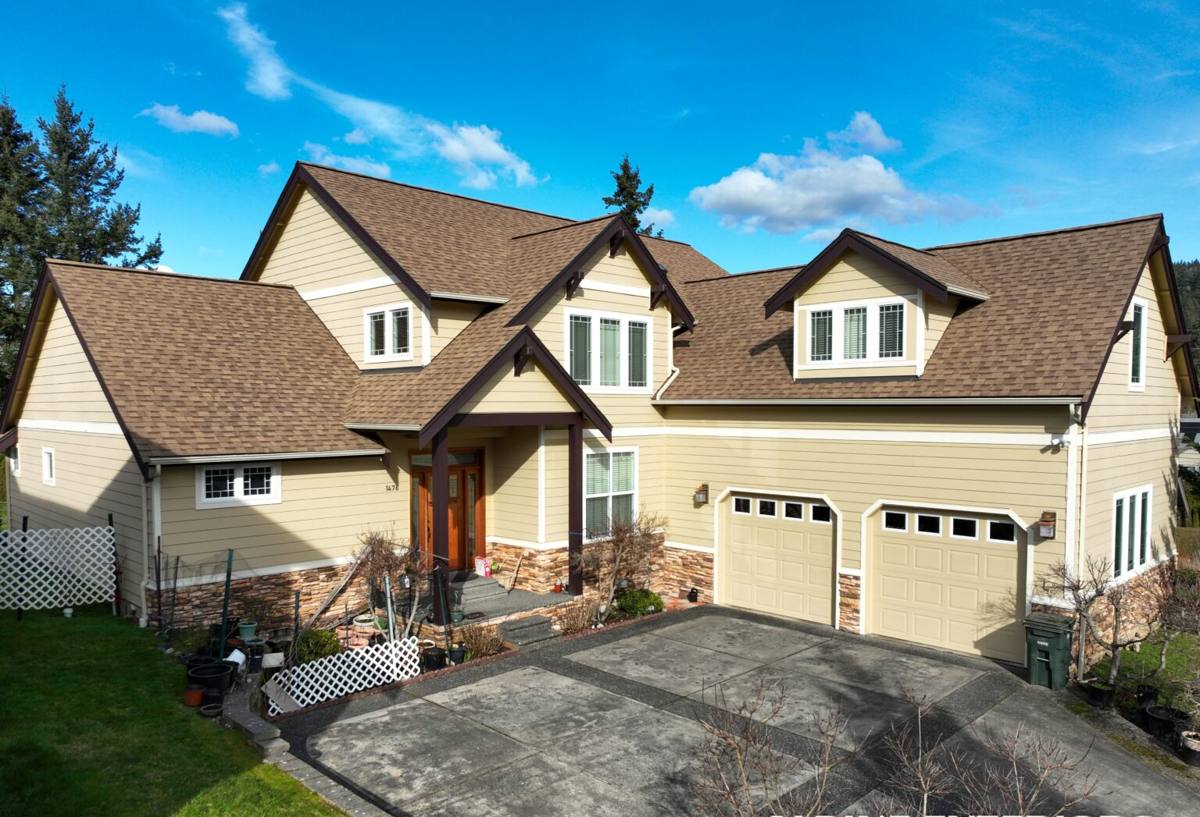
What Fremont's Trees and Terrain Mean for Your Roof
Fremont is a close-in Seattle neighborhood with a lot of mature tree canopy and older housing stock mixed in with newer construction, often on hilly lots with tight setbacks. That mix creates specific roofing conditions worth understanding before you decide what a repair should involve.
Shade Keeps Roofs Wet Longer
Overhanging branches and dense canopy mean parts of a roof can stay damp for days after a storm passes, even when the rest of the neighborhood has dried out. Shaded, north-facing slopes and valleys are almost always where we find the heaviest moss growth and the earliest signs of shingle wear.
Debris Load Adds Up
Needles, leaves, and small branches collect in valleys and behind chimneys, holding moisture against the roofing material and clogging the exact spots where water needs to drain freely. Left alone, that debris becomes the seedbed for moss and the first place a leak starts.
Signs Your Fremont Roof Needs Repair
Most roof repairs in this neighborhood start with one of these signs. Catching them early is usually the difference between a straightforward repair and a much bigger bill.
- Moss or dark streaking concentrated on shaded or north-facing slopes
- Granules collecting in gutters or at the base of downspouts
- A ceiling stain that appears or grows after a heavy rain
- Shingles that look curled, cupped, or lifted at the edges
- Visible gaps or rust at flashing around chimneys, skylights, or vent pipes
- Daylight visible through the attic sheathing at roof penetrations
- Sagging or soft spots when the roof is walked, especially near valleys
Any one of these on its own doesn't necessarily mean the whole roof is failing. It means it's time for someone to get up there and look closely, rather than guessing from the ground.
What a Correct Roof Repair Actually Involves
A repair that's done properly starts before anyone touches a shingle. It starts with figuring out where the water is actually getting in, which is not always directly above the stain on your ceiling.
Diagnosis Before Patching
Water travels along rafters and sheathing before it shows up inside, so the visible damage and the actual entry point can be several feet apart. We trace the path back to the source — often a flashing detail, a cracked pipe boot, or a section of underlayment that's failed — instead of just sealing the spot that's dripping.
Flashing Done Right
Most leaks we're called out for in older Fremont homes trace back to flashing, not the shingles themselves. Step flashing, counter-flashing, and kick-out flashing all have to be layered correctly with the roofing material so water sheds outward instead of working its way behind it. Caulk and roof cement are not a substitute for correctly installed flashing — they're a short-term patch at best, and we use them that way, not as the fix itself.
Moss and Debris Removal Without Damage
Pressure washing strips granules and shortens the life of a roof, so we don't use it. Moss gets removed by hand or with a soft-brush and gentle rinse approach, followed by a zinc or copper treatment strip where appropriate to slow regrowth on shaded slopes. It's slower than blasting it off, but it doesn't trade one problem for another.
Matching Materials
On a repair, we match the existing shingle profile, color, and exposure as closely as the market allows, and we tie new underlayment into the existing field correctly so the repaired section performs as one system with the rest of the roof rather than as a patch sitting on top of it.
Repair or Replace? What We Actually Weigh
Not every roof that's leaking needs to come off. But some do, and pretending otherwise just delays the real cost. Here's how we think through it on a typical Fremont home.
| Factor | Leans Toward Repair | Leans Toward Replacement |
|---|---|---|
| Roof age | Under 15 years, or well within material's expected life | Nearing or past the material's typical lifespan |
| Leak locations | One or two isolated points | Multiple, unrelated leak points across the roof |
| Moss coverage | Limited to shaded areas, granules intact underneath | Widespread, with granule loss and soft decking underneath |
| Flashing condition | Localized failure at one penetration | Rust, cracking, or gaps at most flashing points |
| Decking underneath | Solid, no soft spots when walked | Soft, spongy, or visibly rotted sheathing |
When a roof lands in the "repair" column, we'll say so plainly and repair it. We don't upsell a full tear-off when a targeted fix will hold for years, and we'll tell you directly if we think a repair is only buying time.
Our Roof Repair Process in Fremont
- Inspection. We get on the roof, not just in the attic or on the ground, and check flashing, penetrations, valleys, and shaded slopes specifically.
- Written estimate. You get a clear explanation of what's failing, why, and what the repair involves — no vague line items.
- The repair. We complete the work using materials matched to your existing roof, with attention to flashing and drainage, not just surface patching.
- Cleanup and debris removal. Old material, moss debris, and any removed vegetation debris get hauled off — we don't leave granules or nails in your gutters or yard.
- Follow-up. If the repair doesn't hold through the next significant rain, we come back and make it right.
Roof Types We Commonly Repair in Fremont
Composition shingle is the most common roofing material we see on Fremont homes, and most of our repair work is on that material. We also regularly work on older cedar shake roofs still in place on some of the neighborhood's older homes, and flat or low-slope roofing on additions, garages, and dormers — these low-slope sections are frequently where moss and standing water cause the earliest problems, since they drain more slowly than a steep pitch to begin with. Whatever the material, the repair approach has to match how that specific roofing system sheds water, which is why we treat cedar, composition, and flat roofing as three different jobs rather than one generic patch process.
Why Hiring a Crew That Already Works in Fremont Matters
A roofer who works this neighborhood regularly already knows the things that slow down or trip up a crew unfamiliar with it: narrow streets and tight parking, steep driveways and lots that limit where a ladder or lift can safely go, and the specific pattern of moss and shade damage that comes from Fremont's tree cover. That familiarity translates into a faster, more accurate diagnosis and fewer surprises once work starts.
It also matters for permitting and code compliance — King County and City of Seattle requirements around roofing work, especially on older homes, aren't always intuitive, and a crew that handles this regularly won't be learning the process on your project.
Keeping Your Roof in Good Shape Between Repairs
A repair holds longer when a few basic maintenance habits are kept up in between visits. This isn't a full maintenance contract — just the handful of things that actually move the needle for a shaded, moss-prone roof.
- Clean gutters and valleys at least twice a year, more often under heavy tree cover
- Trim back branches that overhang or brush against the roof surface
- Treat moss-prone shaded slopes proactively rather than waiting for visible growth
- Check attic ventilation — poor airflow traps moisture and speeds up decking damage
- Have the roof looked at after any major windstorm, even if nothing looks obviously wrong
If you're seeing moss, a stain on a ceiling, or you just haven't had your roof looked at in a few years, we're happy to come out, take an honest look, and give you a straightforward, no-pressure estimate — use the form below to get started.