 Seattle
 Storm Season Takes a Different Toll on Fremont Roofs
Fremont sits close to the water, with Lake Union and the ship canal shaping the weather that moves through the neighborhood. That proximity means homes here deal with a specific combination of stresses: salt-tinged air drifting in off the water, wind that funnels along the canal and gains speed before it hits a roofline, and driving rain that comes in sideways rather than straight down. Add in a moss season that runs longer here than in drier parts of the country, and you have a roof environment that wears differently than roofs in most of the rest of King County, let alone the rest of the state.
Storm damage repair in this kind of climate isn't just about patching whatever broke. It's about understanding why it broke, and making sure the fix doesn't just fail again in the next windstorm or the next wet winter. That's the standard we hold ourselves to on every Fremont roof we touch.
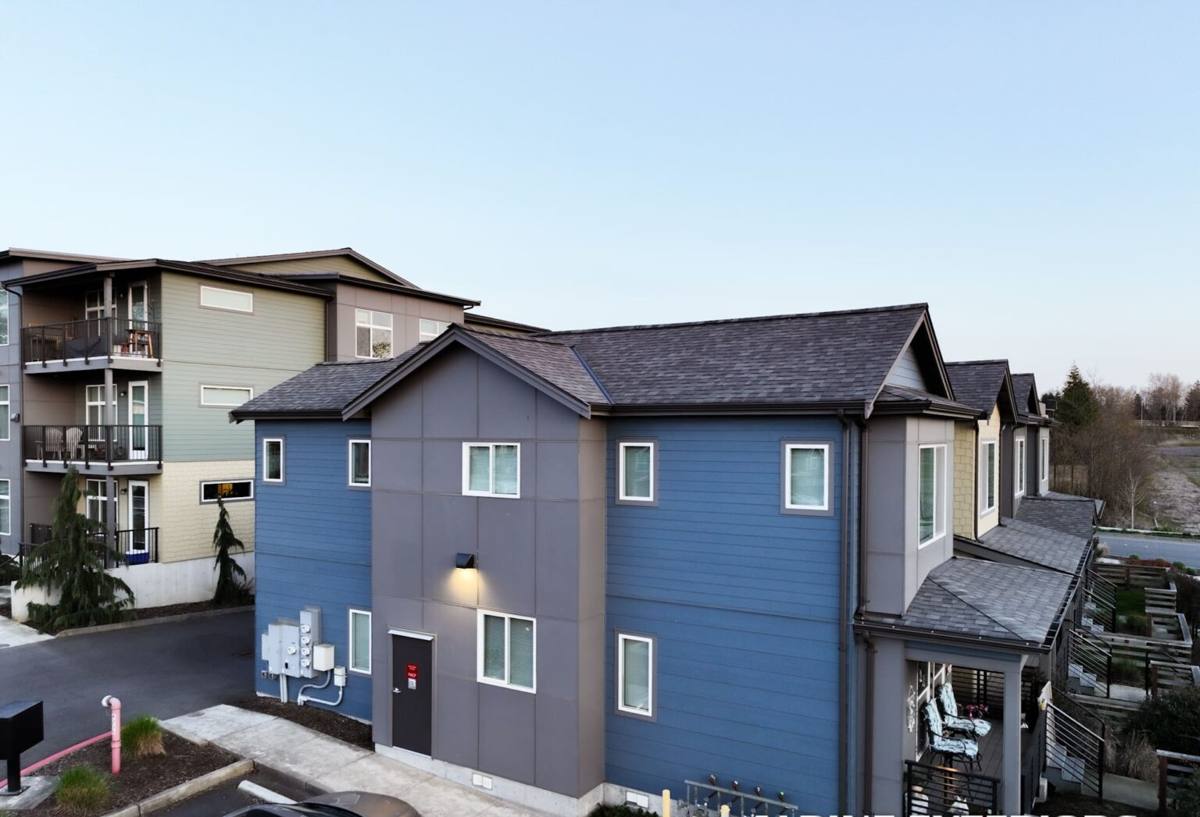
What Actually Counts as Storm Damage
Homeowners often picture storm damage as something dramatic — a tree through the roof, shingles scattered across the lawn. Real storm damage is usually quieter than that, and it's often more expensive to ignore than to fix.
Wind Damage
Sustained wind gusts can lift the edges of shingles or shakes just enough to break the seal underneath, even if nothing visibly blows off. Once that seal is broken, the material is vulnerable to the next storm, and to the rain that gets under it in the meantime.
Wind-Driven Rain
This is the damage type most specific to our regional weather. When rain comes in at an angle instead of falling straight down, it can work its way under flashing, around vent boots, and into any gap that wouldn't normally be a problem in a calmer rain. It shows up later as a stain on a ceiling, not as an obvious hole in the roof.
Impact Damage
Fremont's tree canopy is part of what gives the neighborhood its character, but big-leaf maples and conifers shed limbs in high wind, and even a smaller branch dropped from height can crack shingles, dent metal flashing, or puncture underlayment.
Hail
Damaging hail is uncommon in this part of Washington, but it isn't impossible, and when it happens it tends to bruise composite shingles in ways that aren't obvious from the ground.
Fremont's Roofs: Older Homes, Big Trees, and Tight Lots
A lot of Fremont's housing stock dates back to the early 1900s through the mid-century, with craftsman bungalows and older cottages sitting alongside newer infill construction and remodels. That mix matters for storm repair work. Older roofs may already be past or approaching the end of their expected service life, which means storm damage often reveals a problem that was already developing — worn flashing, thinning granule coverage, decking that's absorbed moisture over the years. A repair on a roof like this has to account for what's underneath, not just what's visibly broken.
The tree canopy that shades so many Fremont lots also means roofs here collect more debris and hold more moisture than roofs in more open parts of the region. Combined with the narrower lots and closer setbacks common in the neighborhood, that can make access and staging for repair work more involved than it would be on a suburban property with more open yard space. It's a detail worth planning for, not something to discover on the day of the repair.
Warning Signs Worth a Second Look
Most storm damage doesn't announce itself. After a windstorm or a stretch of heavy rain, it's worth walking the exterior of your home and checking for the following:
- Shingle or shake pieces in the yard, gutters, or against the foundation
- Shingles that look curled, lifted at the edges, or out of alignment with the rest of the field
- Bent, creased, or missing flashing around chimneys, skylights, or vent pipes
- Granules collecting in downspout runoff or at the base of gutters
- Water stains or discoloration on interior ceilings, especially near exterior walls
- Sagging or uneven spots visible when looking down the roof plane from the ground
- Moss or debris buildup that's noticeably thicker in one area than the rest of the roof
- Any visible daylight through the roof deck from inside an attic space
If you notice any of these, especially after a named storm event, it's worth getting a professional look before the next round of weather moves through.
How We Handle a Storm Damage Repair
Our process is built around getting your home protected fast, then getting the repair done right — in that order.
- Inspection. We walk the roof and the attic where accessible, checking not just the obvious damage but the surrounding area for related wear, since storm stress rarely limits itself to one clean spot.
- Emergency protection. If there's active or likely water intrusion, we get a tarp or temporary covering in place the same visit to stop further damage while repairs are scheduled.
- Documentation. We photograph and note the damage clearly, which is useful whether you're filing an insurance claim or just want a record of what was found and fixed.
- Scoped repair. We match materials as closely as possible to your existing roof, address the underlying cause of the damage (not just the surface symptom), and repair flashing, underlayment, or decking as needed alongside the visible fix.
- Cleanup and haul-away. Debris, old material, and anything brought down during the repair leaves the property with us.
- Final walkthrough. We go over what was done and answer questions before we consider the job finished.
Repair or Replace? What Actually Decides It
Not every storm-damaged roof needs to be replaced, and we don't push replacement when a repair will hold up. The right call usually comes down to a handful of factors:
| Factor | Leans Toward Repair | Leans Toward Replacement |
|---|---|---|
| Roof age | Under 10-12 years, or recently replaced | Nearing or past typical material lifespan |
| Extent of damage | Isolated to one section or component | Spread across multiple areas of the roof |
| Material match | Matching shingle/shake still available | Discontinued material, visible mismatch likely |
| Deck condition | Decking dry and sound under damaged area | Soft, stained, or water-damaged decking found |
| Repair history | First or second repair on this roof | Roof has been patched repeatedly over the years |
We'll walk you through where your roof falls on these points and give you a straight answer, not a sales pitch in either direction.
Working With Your Insurance Company
Most storm damage claims move more smoothly when the scope of work is documented clearly from the start. We provide photos, measurements, and a written description of the damage that you can hand to your adjuster, and we're available to walk the roof with an adjuster if that's helpful for your claim. We scope the work to what the storm actually caused — no inflated line items, no manufactured damage. Our goal is an honest repair that holds up, not the largest possible claim number.
Why Local Fremont Experience Matters
A crew that regularly works Fremont roofs already understands the layout challenges of the neighborhood's tighter lots, the moisture patterns that come off the water, and the toll the local tree canopy takes over a season. That familiarity shows up in small but real ways: knowing where moss tends to build fastest on a given roof orientation, recognizing which flashing details tend to fail first on homes of a certain age, and being able to respond quickly when a storm hits the neighborhood, rather than working from a schedule built around a service area on the far side of King County.
It also means we're not guessing at what Seattle's climate does to a roof over time — we're watching it happen on homes near yours, year after year.
Reducing Your Risk Before the Next Storm
Storm damage repair is reactive by nature, but a few habits lower your odds of needing it:
- Have gutters cleared before the wet season starts, so wind-driven rain has somewhere to go
- Address moss buildup before it lifts shingles or holds moisture against the roof surface
- Keep overhanging limbs trimmed back from the roofline where it's safe and practical to do so
- Get flashing and vent boots checked periodically, since these are usually the first point of failure
- Schedule a roof inspection in late summer or early fall, ahead of the region's heaviest storm months
None of this eliminates storm risk entirely — nothing does in this climate — but it narrows the gap between a minor repair and a major one.
If a recent storm has you wondering about the condition of your roof, we're happy to take a look. The estimate is free, there's no pressure to move forward, and you'll get a straight answer about what — if anything — needs to be done.