 Seattle
 Fremont's Roofs Face a Different Kind of Wear
Fremont sits close to the water and under a heavy tree canopy, and that combination is hard on a roof. The marine air moving off Puget Sound and the Ship Canal keeps humidity high even on days when it isn't actively raining, and King County's long, gray stretch from fall through spring means most roofs here rarely get a real chance to dry out. Add in the moss spores that drift down from mature Douglas firs and big-leaf maples common in Fremont's older residential blocks, and you get a roofing environment that ages shingles differently than it would in a drier climate.
Constant dampness does more than make a roof look tired. Trapped moisture works into granule loss, softens the mat beneath asphalt shingles, and gives moss and algae a foothold that spreads under the shingle tabs rather than just on top of them. Over years, that slow moisture cycle is often what pushes a roof from "needs monitoring" to "needs replacing" well before the material's rated lifespan runs out.
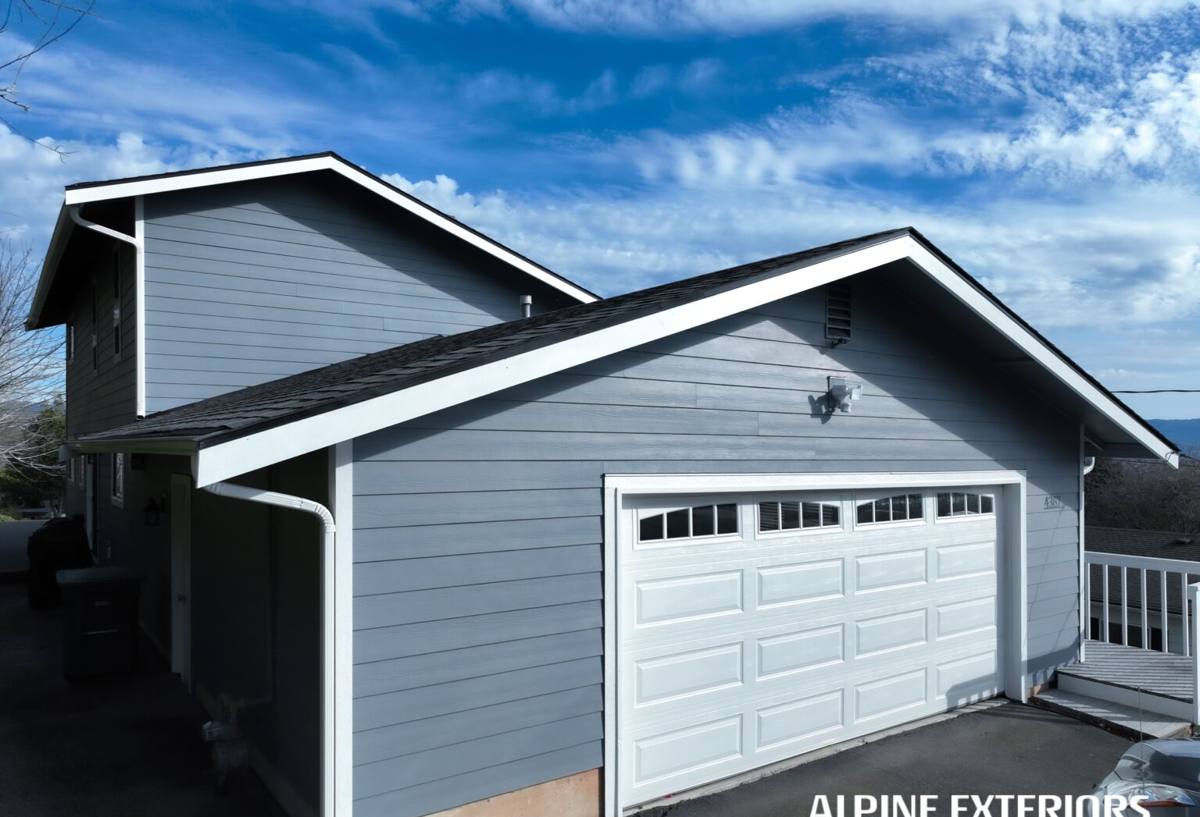
Signs a Fremont Home Needs a New Roof, Not Another Patch
Age and Material Life
Most standard asphalt shingle roofs in this region hold up for a shorter stretch than their manufacturer rating suggests, simply because of the moisture load. If your roof is approaching the back half of its expected service life and you're already calling for patch repairs more than once a year, it's usually more cost-effective to plan a full replacement than to keep chasing individual leaks.
Visible Warning Signs
- Heavy moss growth along the ridge, valleys, or north-facing slopes that keeps returning after cleaning
- Shingle edges curling, cupping, or losing granules in visible patches
- Dark streaking or algae staining across large sections of the field
- Soft or spongy spots underfoot during inspection, which usually means the decking underneath has taken on moisture
- Daylight visible through the roof deck from inside the attic
- Water stains on interior ceilings or in the attic after heavy rain events
- Granules collecting in gutters and downspouts
Any one of these on its own might just call for a repair. Several together, especially on a roof that's already 15-20 years old, is usually the point where a new roof makes more sense than continuing to spend on individual fixes.
Roofing Materials That Actually Perform in Seattle's Climate
Not every roofing product handles sustained moisture and moss pressure the same way. Here's how the main options compare for a home in Fremont's climate specifically.
| Material | Moisture / Moss Resistance | Maintenance Needs | Best Suited For |
|---|---|---|---|
| Standard 3-tab asphalt | Moderate — granule loss accelerates under constant damp/shade | Periodic moss removal, gutter checks | Budget-driven replacements, simpler roof lines |
| Architectural / laminate shingle | Better — thicker mat, better wind and moisture tolerance | Same moss vigilance, longer intervals | Most Fremont homes; good balance of cost and durability |
| Standing seam metal | Very good — sheds moss and moisture without a porous surface | Low; occasional debris clearing | Steep or heavily shaded roofs, homeowners wanting a longer-term investment |
| Cedar shake | Requires diligent upkeep — organic material holds moisture and moss more readily | Regular treatment and cleaning to avoid rot | Homeowners committed to the look and the maintenance schedule |
We're upfront about the trade-offs on each of these. Cedar shake has real appeal for the craftsman-era look common in Fremont, but it asks more of a homeowner in upkeep because it's an organic material sitting in a wet climate. Metal costs more up front but asks the least of you afterward. Architectural asphalt is where most of our Fremont installs land because it holds up well against moss and moisture without pushing the budget into metal or cedar territory.
What a Correct New Roof Installation Actually Involves
A new roof is only as good as what happens before the visible material goes down. On every Fremont install, the parts that matter most are the ones you won't see once the job is finished:
- Full tear-off and deck inspection — we don't install over existing layers. Pulling the old roofing lets us check the decking for soft spots, rot, or delamination and replace only what's actually compromised.
- Ice and water shield at eaves and valleys — a self-adhering membrane in the areas most exposed to wind-driven rain and ice damming, which matters given how much driving rain this region sees.
- Synthetic underlayment across the field — a secondary water barrier that outperforms older felt paper in wet climates.
- Correct flashing at every penetration — chimneys, skylights, sidewalls, and pipe boots are common leak points if flashing is reused or installed loosely.
- Balanced ventilation — intake at the eaves and exhaust at the ridge working together, not just a ridge vent installed on its own.
- Correct nailing pattern and fastener count — under-nailing is one of the most common causes of premature shingle failure in windy, wet conditions.
Our Installation Process
- On-site inspection and measurement — we walk the roof and attic, note deck condition, ventilation, and any problem areas specific to your home.
- Material selection and written proposal — options laid out with real trade-offs, not just a single default recommendation.
- Permit pull — handled on our end through the City of Seattle before work begins.
- Tear-off and deck repair — old roofing removed, decking assessed and replaced where needed.
- Underlayment, ice and water shield, and flashing — the moisture-management layer installed before any finished material.
- New roofing installed — shingles, metal, or shake installed to manufacturer spec and local code.
- Ventilation finalized — intake and exhaust balanced for the finished roof.
- Cleanup and magnetic nail sweep — yard, driveway, and planting beds cleared of debris and fasteners.
- Final walkthrough — we go over the finished roof and warranty paperwork with you before calling the job done.
Ventilation and Moss Prevention Aren't Optional Extras Here
In a drier climate, skipping ventilation upgrades might not show up as a problem for years. In Fremont, it shows up fast. Without balanced intake and exhaust, warm moist air from inside the home gets trapped against the underside of the roof deck, which condenses and slowly rots the decking from below — a failure mode that has nothing to do with the shingles themselves and everything to do with airflow.
On the moss side, we install zinc or copper strips near the ridge on request, which release trace metal ions in the rain that discourage moss growth down the roof plane over time. It's not a substitute for keeping overhanging branches trimmed back or the occasional gentle roof cleaning, but it meaningfully cuts down how often moss becomes a problem worth addressing. We'll walk you through what level of moss prevention makes sense for your specific tree coverage rather than upselling every home on the same package.
Permits and Code Requirements in Seattle
A full roof replacement in Seattle requires a permit, and King County's building code sets specific requirements around eave protection, ventilation ratios, and fastening in areas exposed to wind and rain — all of which apply directly to Fremont. Older homes in the neighborhood sometimes have decking or framing that predates current code, which is part of why the tear-off and inspection step matters so much: it's the point where we confirm what's actually under the old roof rather than assuming. We handle the permit application and coordinate any required inspections as part of the job, so it's not something you have to manage yourself.
What Affects the Cost of a New Roof
Every roof is priced individually after inspection, but the same handful of factors drive most of the variation between jobs:
| Factor | Why It Matters |
|---|---|
| Roof size and pitch | More surface area and steeper pitches mean more material and more labor time |
| Material choice | Standard asphalt, architectural shingle, and metal carry different material and installation costs |
| Decking condition | Rot or soft spots found during tear-off require repair before new roofing can go down |
| Roof complexity | Valleys, dormers, skylights, and multiple chimneys all add flashing and labor time |
| Access and staging | Tight lots, mature landscaping, or limited driveway access can affect setup and disposal logistics |
| Ventilation upgrades | Adding or correcting intake/exhaust ventilation is sometimes needed beyond a like-for-like replacement |
We give you the real number after seeing the roof in person, with the reasoning behind it, rather than a rough phone estimate that changes once we're on the ladder.
Why a Crew That Already Works Fremont Matters
Fremont's housing stock is a mix of older bungalows, craftsman homes, and newer infill construction, often with mature trees crowding the roofline in ways that newer suburban developments don't have to deal with. A crew that regularly works this neighborhood already understands the typical decking conditions in homes of a certain age here, knows how the tree canopy in different pockets of Fremont affects moss buildup, and is familiar with the City of Seattle's permitting process rather than learning it on your job. That familiarity shows up in fewer surprises during tear-off and a more accurate estimate from the start.
Choosing a Roofing Contractor in Fremont
Roofing draws its share of storm-chasers and door-knockers, especially after a hard winter. A few things worth checking before you sign anything:
- Active Washington contractor license and current bonding/insurance, verifiable on request
- A written scope that specifies tear-off, decking inspection, underlayment, and flashing — not just "new roof installed"
- Manufacturer certification if you're choosing a shingle brand with an enhanced warranty
- References or completed work in Fremont or nearby Seattle neighborhoods
- A clear explanation of ventilation and moss-prevention recommendations specific to your roof, not a one-size-fits-all package
- No pressure to sign same-day, and no insistence on full payment before work begins
If a roof estimate on your Fremont home is starting to feel due, we're happy to take a look and give you a straightforward, no-pressure assessment of where things stand. Use the form below to request a free estimate.