 Seattle
 Windows Built for Shoreline's Housing Stock
Shoreline is a city of mostly older homes. A large share of the housing here went up during the postwar boom, which means a lot of original ranch-style and split-level homes still carry their first set of windows — often single-pane aluminum units installed decades before anyone thought about energy codes or condensation control. Mixed in are newer builds, remodels, and infill townhomes with more modern window systems, but the majority of the work we do in Shoreline is replacing aging original windows or correcting a prior installation that wasn't done right.
That mix matters because a window that's correct for a 1990s vinyl-clad remodel isn't necessarily correct for a 1958 ranch with wood siding and no house wrap behind it. Local experience means knowing what's actually behind the trim before you start pulling windows out.
How the Local Climate Wears Down Windows
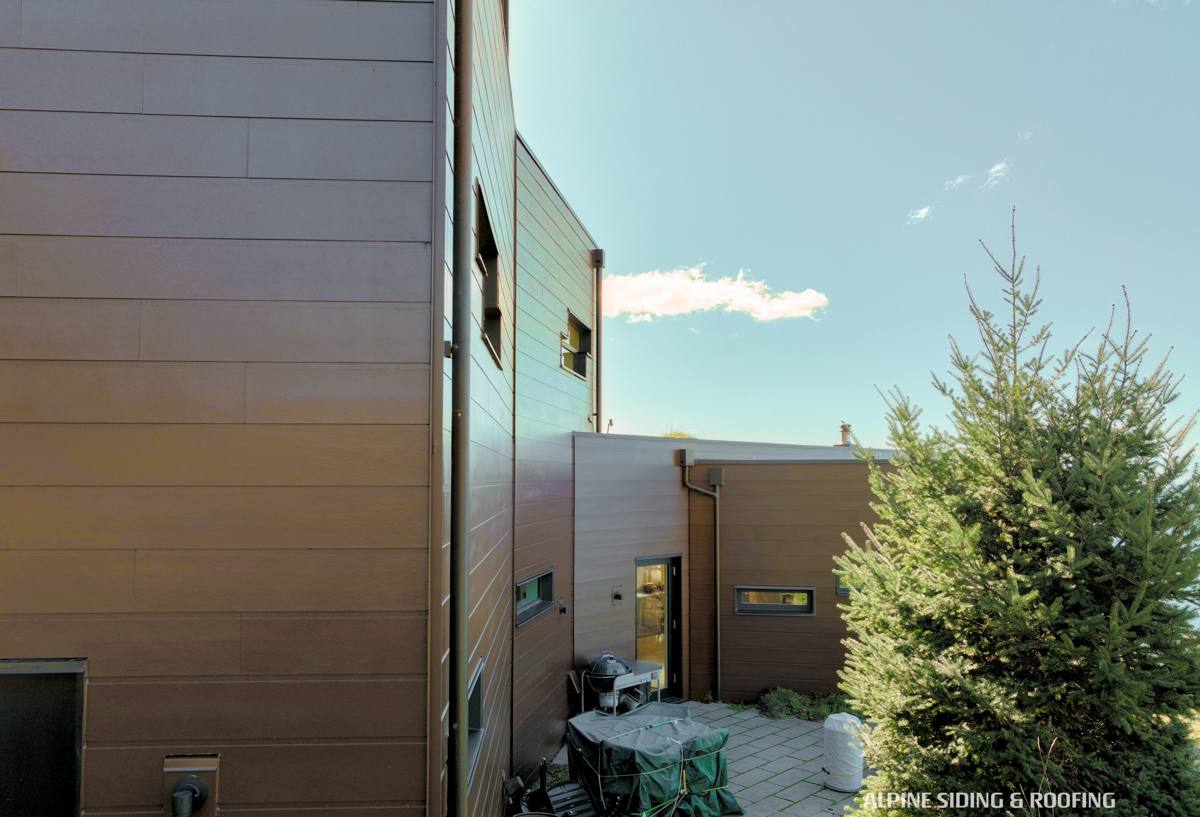
Shoreline sits along Puget Sound, and homes closer to the water deal with a steady dose of salt-laden air that accelerates corrosion on aluminum frames, hardware, and fasteners. Add in a long, wet season of driving rain that comes in sideways off the Sound, and any gap in flashing or sealant becomes a slow leak instead of a one-time nuisance. Combine that with King County's tree canopy and you get a long moss season — moss and algae that hold moisture against siding and window trim for months at a time, especially on north- and west-facing walls that don't get much sun to dry out.
None of this is dramatic on its own. It's cumulative. A window with a small flashing gap might not leak the first winter, or even the second, but by year five or six the sheathing behind it is soft and the frame is swelling or rotting. That's the pattern we see most often in Shoreline: quiet, gradual damage from moisture that had nowhere to go.
What This Means Practically
- Frame materials need to tolerate sustained moisture exposure, not just occasional rain
- Flashing details matter more here than in drier climates — there's less margin for error
- Hardware and fasteners closer to the water benefit from corrosion-resistant options
- North-facing and shaded elevations need extra attention to moss and algae buildup around trim
Signs a Shoreline Home Needs New Windows
Most homeowners don't call us because a window shattered — they call because something's been bothering them for a while and they finally want it fixed. Here's what we'd look for during a walk-through, and what you can check yourself first.
- Visible condensation or fogging between panes (a sign the seal has failed)
- Drafts you can feel near the frame even with the window closed
- Difficulty opening, closing, or locking the window smoothly
- Soft, discolored, or swollen wood trim or sill around the window
- Visible moss, black staining, or algae buildup on the frame or nearby siding
- Noticeably higher heating bills compared to similar homes nearby
- Single-pane glass with no storm window or secondary glazing
- Paint that keeps peeling or bubbling near the window edges no matter how often it's touched up
What a Correct Installation Actually Involves
Window installation looks simple from the outside — old window out, new window in — but the part that actually determines whether it lasts is almost entirely hidden once the trim goes back on. A rushed job and a correct job can look identical on install day and completely different five years later.
The Details That Matter
- Sill pan flashing: a sloped, sealed pan under the window opening so any water that does get past the glass drains outward instead of pooling in the framing
- Proper integration with the weather-resistive barrier: flashing tape and house wrap need to shingle correctly so water sheds down and over, never behind, the barrier
- Correct shimming and squaring: an out-of-square window stresses the frame, binds hardware, and creates uneven gaps that fail faster
- Sealant matched to the siding and substrate: the right sealant for fiber cement isn't always right for wood or vinyl
- Insulation in the gap between frame and rough opening: done without overfilling, which can bow the frame
Skip any one of these and the window may perform fine for a season or two before a small problem becomes rot, mold, or a warped frame. This is where a lot of the "why didn't my new windows fix the draft" calls come from — the product was fine, but the installation wasn't.
Choosing the Right Frame Material for Shoreline's Climate
There's no single "best" window material — the right choice depends on your home's exposure, your siding type, and how much upkeep you want to take on. Here's how the common options stack up for a climate with regular rain, salt air near the Sound, and long damp stretches.
| Frame Material | Moisture Performance | Maintenance | Best Fit |
|---|---|---|---|
| Vinyl | Good — won't rot or corrode | Low | Most homes; budget-conscious replacements |
| Fiberglass | Very good — dimensionally stable in wet/dry cycles | Low | Homes wanting durability and paintable finish |
| Wood (clad exterior) | Good if cladding is intact; vulnerable where cladding is damaged | Moderate to high | Homes prioritizing interior wood aesthetic |
| Aluminum | Poor in salt-air exposure; prone to corrosion and condensation | Moderate | Limited use; not our default recommendation near the Sound |
We're not tied to pushing one material on every homeowner. For most Shoreline replacements, vinyl or fiberglass frames handle the rain and humidity with the least long-term maintenance. Original aluminum frames are usually what we're replacing, not what we're installing again — the corrosion and condensation issues that show up near salt air make them a hard sell for us as a fresh install, and we'll say so plainly rather than talk around it.
Permits and Code Requirements
The City of Shoreline requires permits for window replacement in most cases, particularly when the rough opening is being altered or when the work affects egress. Bedroom windows have specific egress size and sill-height requirements under the building code, and if you're replacing a window in a bedroom that was undersized to begin with, that's worth flagging before work starts rather than after an inspection catches it. We handle permitting as part of the job so you're not the one tracking down paperwork or scheduling inspections.
Our Process
- On-site assessment: we look at existing windows, siding condition, and any signs of past moisture intrusion before quoting anything
- Product selection: honest recommendations based on your home's exposure, siding, and budget — not a one-size push toward a single line
- Permitting: pulled and scheduled through the City of Shoreline where required
- Removal and inspection: old windows come out carefully so we can check the framing and sheathing underneath for hidden rot before closing anything back up
- Flashing and installation: sill pans, weather-barrier integration, shimming, and sealing done to hold up through wet King County winters
- Trim and finish work: interior and exterior trim reset or replaced to match
- Final walkthrough: we test operation, check seals, and go over care and warranty details with you directly
Why a Crew That Already Works Shoreline Matters
Every neighborhood in this region has its own quirks, and Shoreline's are shaped by its age and its location. A crew that works here regularly already knows which blocks sit closer to the Sound and need extra corrosion resistance, which older homes are likely to have no house wrap behind the siding at all, and how the City of Shoreline's permitting process actually runs in practice — not just on paper. That familiarity shows up in fewer surprises mid-project and a faster path through inspection, because we're not learning the area on your home.
It also means we're straightforward about what your home needs versus what's being upsold elsewhere. If your existing windows are original aluminum single-pane units and you're near the water, replacement is usually the honest answer. If they're a decade-old vinyl install with a failed seal on one unit, a targeted repair might be all that's needed. We'd rather tell you the smaller job is the right one than talk you into a full-house replacement you don't need yet.
Get a Straight Answer on Your Windows
If you're dealing with drafts, fogged glass, or windows that just feel like they're past their working life, we're happy to take a look and give you a clear, no-pressure estimate — including whether replacement is actually necessary or whether a repair will hold. Use the form below to get started.