 Seattle
 Roofing in Fremont: A Different Kind of Wear
Fremont sits close to the water, tucked between the Ship Canal and the hills that roll north through Seattle. That location is part of what makes the neighborhood so livable, but it also means roofs here take on a specific mix of stress: damp marine air, wind-driven rain that comes in sideways off the water more often than most homeowners expect, and long stretches of shade under mature trees that keep moss and moisture around far longer than a sunnier lot would. A roof that was installed without that combination in mind tends to show its age early, usually starting with moss buildup, soft spots at the edges, and granule loss you can see collecting in gutters.
Replacing a roof in this kind of environment isn't just about swapping old shingles for new ones. It's about choosing materials and details that actually hold up to King County's wet season year after year, not just on paper but in practice on a shaded, water-adjacent lot like the ones common in Fremont.
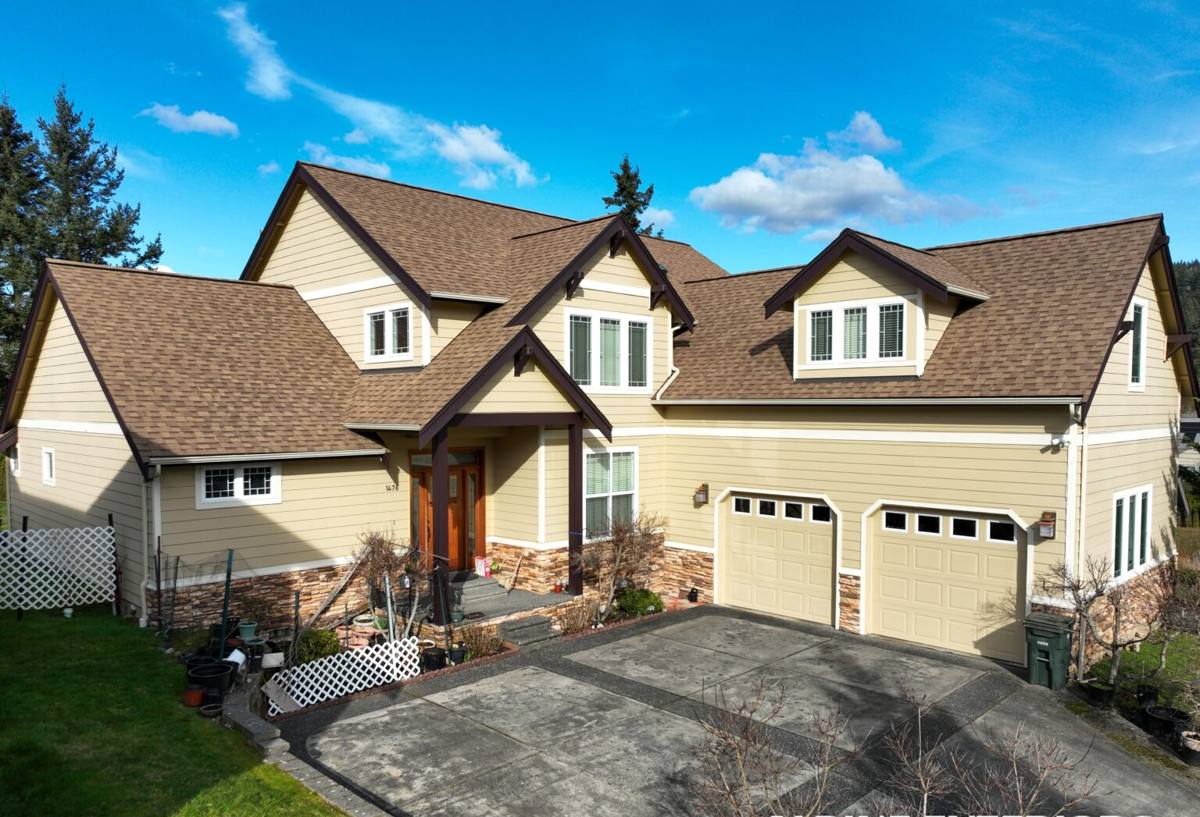
What Fremont's Climate Actually Does to a Roof
Moss and Sustained Moisture
Many Fremont homes sit under tree cover or on north-facing slopes that don't get much direct sun, especially in the fall and winter months. That shade keeps roof surfaces damp for days after a storm, which is exactly the environment moss needs to establish itself. Once moss gets a foothold, it holds moisture against the roofing material continuously, which accelerates wear on asphalt shingles and can lift wood shakes at the edges.
Driving Rain and Wind
Seattle's rain doesn't always fall straight down. Storms moving in off Puget Sound frequently push rain sideways, which stresses flashing, ridge caps, and any point where two roof planes meet. A roof that's only built to shed water straight down will eventually let water find its way in at these transition points during a wind-driven storm.
Salt-Tinged Marine Air
Being close to the water means the air carries more moisture and mild salinity than an inland roof deals with. Over years, that air can accelerate corrosion on exposed metal fasteners, flashing, and vents if they aren't rated for coastal-adjacent exposure. It's a slower process than storm damage, but it adds up.
Signs a Fremont Roof Needs Replacing, Not Just Patching
- Moss covering more than small patches, especially on north-facing slopes or under tree canopy
- Granules collecting in gutters or at downspout outlets in noticeable amounts
- Shingles that are cupping, curling, or cracked at the edges
- Soft or spongy feeling decking when walked on (a sign moisture has reached the wood underneath)
- Daylight visible through the attic roof boards
- Repeated leaks in the same spot even after patch repairs
- A roof approaching or past the manufacturer's expected service life for its material and local exposure
Any one of these on its own might be manageable with a repair. Two or more together, especially on an older roof, usually means a replacement will cost less over time than continuing to chase individual leaks.
What a Correct Roof Replacement Involves Here
A roof replacement done right for a Fremont home isn't just about the visible shingle layer. The details underneath matter more in a climate like this than they would somewhere drier.
Tear-Off and Deck Inspection
We remove the old roofing down to the deck so we can actually see the condition of the wood underneath, rather than layering new material over damage that will keep spreading. Any rotted or delaminated decking gets replaced before anything new goes down — skipping this step is one of the most common ways a "new" roof fails early.
Underlayment Built for Wet Climates
A synthetic or high-quality underlayment provides a secondary water barrier beneath the shingles. In a region with as much sustained rainfall as King County sees, this layer is not optional extra protection — it's what keeps a roof watertight during the inevitable moments when wind-driven rain gets past the surface layer.
Ice and Water Shield at Vulnerable Points
Valleys, eaves, and areas around chimneys or skylights get additional waterproof membrane. These are the spots where driving rain and ice dams (on the rare cold snaps Seattle does get) cause the most damage, so they get reinforced beyond the minimum code requirement.
Flashing and Ventilation
Properly formed metal flashing at every roof-to-wall transition, chimney, and vent penetration is what actually stops sideways rain from finding a way in. We also check attic ventilation during replacement — poor airflow traps moisture in the attic, which contributes to the same rot and moss problems from the inside that driving rain causes from the outside.
Material Selection
We'll walk through options honestly, including the trade-offs of each. Wood shake, for example, looks great and suits many Fremont homes' character, but it requires more regular maintenance to manage moss and moisture retention in a shaded, damp climate — that's a maintenance conversation we have upfront, not a surprise later. Composition (asphalt) shingles rated for algae and moss resistance are often the more practical long-term choice for shaded lots, and metal roofing is worth considering where a homeowner wants to minimize moss maintenance altogether.
Material Comparison for Fremont's Climate
| Material | Moss/Moisture Behavior | Typical Lifespan | Maintenance Needs |
|---|---|---|---|
| Algae-resistant asphalt shingles | Zinc/copper granules resist moss growth | 20-30 years | Occasional gutter/moss check |
| Standard asphalt shingles | No moss resistance built in | 15-25 years | Regular moss treatment recommended |
| Wood shake | Absorbs moisture, needs airflow to dry out | 20-30 years with upkeep | Higher — regular cleaning/treatment |
| Metal roofing | Sheds water fast, moss struggles to attach | 40-60 years | Low |
None of these is universally "best" — the right choice depends on the home's shade exposure, roof pitch, budget, and how much moss maintenance a homeowner wants to take on. We talk through that honestly rather than pushing one product.
Our Process for a Fremont Roof Replacement
- On-site inspection — we look at the current roof, decking condition, ventilation, and any moss or moisture patterns specific to the lot's shade and slope
- Written estimate — clear scope, material options, and a straightforward cost range with no vague allowances
- Scheduling around the weather — we plan tear-off and dry-in around forecast windows, since an open roof deck can't sit exposed during a King County storm
- Tear-off and deck repair — old material removed, decking inspected and repaired as needed
- Underlayment, flashing, and membrane installation — the waterproofing layers that matter most in this climate
- New roofing installed — per manufacturer specification, not shortcuts
- Final walkthrough — gutters, flashing, and ventilation checked together before we consider the job done
Why Local Experience with Fremont Homes Matters
Fremont's housing stock spans a real mix of ages and styles, from older bungalows to newer infill construction, often on lots with mature trees and enough slope that access and staging take some planning. A crew that already works this neighborhood knows which streets need extra care for material delivery and dumpster placement, understands how tree cover affects a roof's drying time after a storm, and has already seen how the local combination of shade, rain, and marine air plays out on real roofs nearby — not just in a general climate report.
That familiarity also shows up in smaller ways: knowing which older Fremont homes are more likely to have undersized attic ventilation from when they were built, or recognizing decking patterns common to certain construction eras in the area. It's the difference between a generic estimate and one that actually accounts for the house in front of us.
Permits, Timing, and What to Expect
Roof replacement in Seattle typically requires a permit, and we handle that process as part of the job rather than leaving it to the homeowner. Timing-wise, we work around the wet season's realities — a full tear-off gets scheduled with enough of a dry window to get the roof dried in before rain returns, and we don't leave a deck exposed overnight without protection if weather shifts unexpectedly. Most straightforward residential roof replacements take a few days from tear-off to completed cleanup, though steeper roofs, additional decking repair, or complex flashing details can extend that.
Get a Straightforward Estimate
If your Fremont roof is showing moss, granule loss, or age, it's worth getting an honest look before deciding between repair and replacement. We offer a free, no-pressure estimate — walk the roof with us, ask questions, and get a clear picture of what your home actually needs. There's a form below if you'd like to get started.