 Seattle
 Windows Built for Fremont's Weather, Not Just Fremont's Style
Fremont is one of Seattle's more architecturally mixed neighborhoods — you'll find early-1900s craftsman bungalows near the ship canal, mid-century houses on the hillsides, and newer infill homes and townhomes packed in closer to the commercial core. What almost every one of those homes has in common is exposure to the same thing: Puget Sound weather. Cool, wet winters, a short dry summer, and a lot of months in between where rain comes in sideways off the water. Window installation here isn't just a cosmetic upgrade — it's one of the most direct ways to stop water and cold air from finding their way into the wall.
A window that's a great fit for a dry climate can be the wrong call here if it isn't installed with this region's moisture load in mind. That's the lens we bring to every Fremont project: not just "does this window look right," but "will this window and this installation hold up to another twenty Seattle winters."
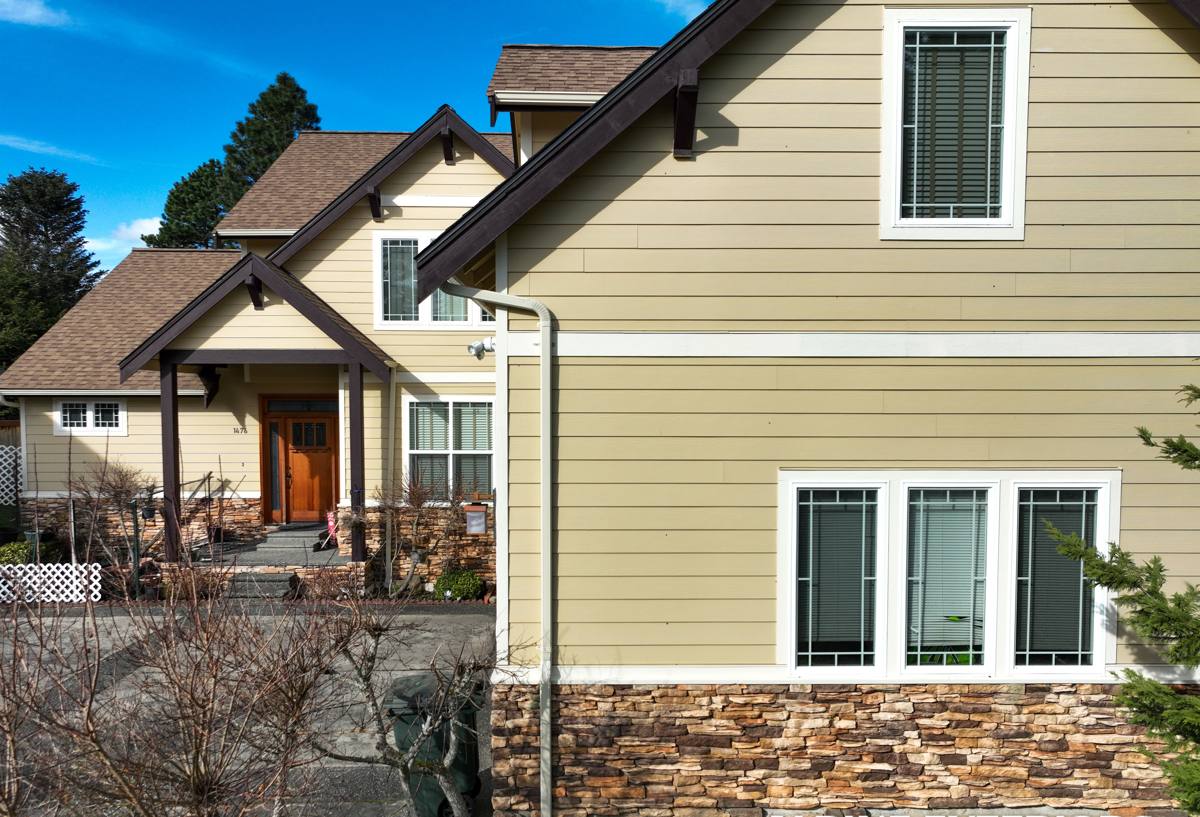
What King County's Climate Actually Does to Windows Over Time
Homeowners often assume window failure is about the glass. In our experience, it's almost always about what's happening around the glass — the frame, the flashing, and the seal against the wall.
Driving Rain and Wind-Driven Moisture
Seattle doesn't usually get hard downpours, but it gets long stretches of steady, wind-pushed rain, especially in fall and winter storms coming off the Sound. That kind of weather doesn't just fall on a window — it drives into the joints, the sill, and the gap between the window frame and the rough opening. Over years, an improperly flashed or poorly caulked window lets moisture work its way into the framing behind it, which is where real damage starts.
Salt Air and Metal Fatigue
Fremont's proximity to Puget Sound and Lake Union means homes here deal with a mild but constant salt-air exposure. Salt-laden air accelerates corrosion on window hardware, hinges, and older aluminum frames, and it can degrade certain sealants faster than they'd wear in a drier inland climate.
Moss, Algae, and the Long Wet Season
Our moss season runs long — anywhere there's shade, moisture, and organic debris, moss and algae get a foothold. On windows, that shows up as green or black growth on sills, tracks, and exterior trim. Beyond looking bad, trapped organic growth holds moisture against wood trim and finish, which speeds up rot in older window surrounds.
Condensation and Older Glass
Single-pane and early dual-pane windows common in older Fremont homes struggle with our damp, cool climate. Condensation forms on the interior glass and sill during cold snaps, and that moisture cycle — wet, dry, wet, dry — is hard on wood sashes and sills over the decades.
Signs a Fremont Home Needs New Windows
Not every window problem means full replacement, but these are the signs we see most often on service calls in this neighborhood:
- Visible gaps, soft spots, or paint failure at the wood sill or frame — often the first sign of moisture getting behind the trim
- Persistent fogging or condensation between panes on dual-pane units, meaning the seal has failed
- Windows that are difficult to open, close, or lock — frames can swell or warp from repeated wet-dry cycles
- Noticeable draft or cold spot near the window even when it's fully closed
- Moss, algae, or black staining that returns quickly after cleaning, suggesting the surface stays damp longer than it should
- Higher heating bills in winter without any other obvious cause
- Visible daylight or gaps around the frame from outside
What a Correct Window Installation Actually Involves
The window unit itself is only part of the job. Most of the long-term performance comes from how it's installed, not the product label on the glass.
Flashing and Weather Barrier Integration
Every window opening needs to be flashed so that any water that does reach the frame is directed back out and down, never into the wall cavity. That means proper sill pan flashing, correctly lapped house wrap or weather-resistant barrier, and flashing tape integrated in the right order — bottom to top, so each layer sheds water onto the one below it. This is the single most common thing we find done wrong on older or DIY replacements, and it's the step that determines whether a window leaks in five years or thirty.
Proper Sizing and Fit
A window that's too small for its opening gets shimmed and packed with excess sealant, which is not a durable fix. A window that's too tight gets forced in, stressing the frame and compromising the seal. Accurate measurement and, where needed, opening preparation matter more than most homeowners realize.
Insulation and Air Sealing
The gap between the window frame and the rough opening needs to be insulated — not packed solid with expanding foam, which can bow the frame, but filled with a low-expansion foam or backer rod and sealant designed for window installation. Done right, this stops both drafts and the kind of condensation that forms when warm interior air meets a cold, un-sealed gap.
Exterior Trim and Finish Detailing
The trim and caulking around the outside of the window are the last line of defense against our rain. Gaps here are exactly where moss and algae get started, and exactly where water finds its way in during a wind-driven storm.
Choosing a Window Type for This Climate
There's no single "best" window for every home — it depends on the house, the budget, and how much upkeep you want to take on. Here's how the common frame materials generally compare for a wet, marine climate like ours:
| Frame Material | Moisture Performance | Maintenance | Typical Fit |
|---|---|---|---|
| Vinyl | Does not rot or corrode; handles rain and humidity well | Low — occasional cleaning | Most homes, especially where budget and low upkeep matter |
| Fiberglass | Very stable in wet, temperature-swinging conditions; resists warping | Low | Homes wanting a wood-like look with less long-term maintenance |
| Wood | Classic look, but vulnerable to rot and moisture damage if finish isn't maintained | High — regular painting/sealing needed | Historic or craftsman-style homes where matching original character is a priority |
| Wood-clad (wood interior, exterior clad in vinyl or aluminum) | Exterior clad layer protects against our rain and salt air | Moderate | Homes wanting real wood interior trim with a more weather-resistant exterior |
| Aluminum | Prone to condensation and, over time, corrosion from salt air unless thermally broken | Moderate | Best limited to thermally-broken products in this climate |
For a lot of Fremont's older wood-frame homes, wood-clad or fiberglass windows strike a good balance — they preserve the look of the original house while holding up better to the rain and moss than bare wood exteriors do. For newer builds or homes prioritizing straightforward performance, vinyl is a solid, cost-effective choice.
Our Installation Process
Whether it's one window or a whole-house replacement, we follow the same process on every Fremont job:
- On-site assessment — we look at the existing windows, the condition of the framing and sill, and any signs of prior water intrusion before recommending anything.
- Honest recommendation — we'll tell you if a window can be repaired instead of replaced, and we'll explain frame material trade-offs in plain terms for your specific house.
- Removal and opening inspection — once the old window is out, we check the rough opening and sill for hidden rot or moisture damage before anything new goes in. This is often where problems that caused the original failure get found and fixed.
- Flashing and weather barrier installation — done in the correct shingle-lap order so water is always directed outward.
- Window installation and leveling — set plumb, level, and square, with proper shimming and low-expansion insulation in the gap.
- Interior and exterior finish work — trim, caulking, and sealant detailing that holds up to wind-driven rain.
- Final walkthrough — we test operation, locks, and seals with you before calling the job done.
Permits and Fremont-Specific Considerations
Fremont sits within Seattle city limits, so window replacement work generally falls under Seattle's permitting rules, and requirements can vary depending on whether it's a like-for-like replacement or a change in window size or structural opening. Some older Fremont homes may also be subject to additional review if they're in a designated historic area — worth checking before ordering materials. We handle the permitting conversation as part of the process so you're not left guessing what's required for your specific property.
Seattle's energy code also sets minimum performance requirements for replacement windows, which affects glass and frame selection. We build code-compliant performance into every recommendation rather than treating it as an afterthought.
Why Hiring a Crew That Already Works in Fremont Matters
Window installation isn't a one-size-fits-all trade, and the details that matter most here — flashing sequencing for wind-driven rain, frame choices that resist King County's salt air and moss, and familiarity with Seattle's permitting process — come from doing this work locally and repeatedly, not from a general national installation checklist. A crew that regularly works Fremont's mix of older wood-frame homes and newer construction knows what to look for behind the old trim before it becomes a bigger, more expensive problem.
Keeping New Windows Performing Through Moss Season
A correct installation is most of the battle, but a little seasonal upkeep goes a long way in this climate. Keep weep holes and tracks clear of debris, rinse sills and exterior trim periodically to keep moss and algae from establishing, and check caulking lines each year for cracking or separation — small gaps are easiest to reseal before a wet winter, not after.
If you're noticing drafts, moisture, or aging windows on your Fremont home, we're happy to take a look and give you a straightforward, no-pressure assessment of what's actually needed. Use the form below to request a free estimate.