 Seattle
 Magnolia's Roofs Work Harder Than Most
Magnolia sits on a peninsula with Puget Sound on three sides, and that geography shapes what a roof up here has to withstand. Homes get a steady mix of salt-laden air off the water, wind-driven rain that comes in sideways during winter storms, and a moss season that can run most of the year under the neighborhood's tree canopy. None of that is dramatic on its own, but stacked together year after year, it wears through roofing materials, fasteners, and flashing faster than it would in a drier or more sheltered part of King County.
A roof replacement done right for a Magnolia home isn't just swapping old shingles for new ones. It's building a system that can handle constant moisture cycling, occasional high wind off the water, and organic growth that never fully stops.
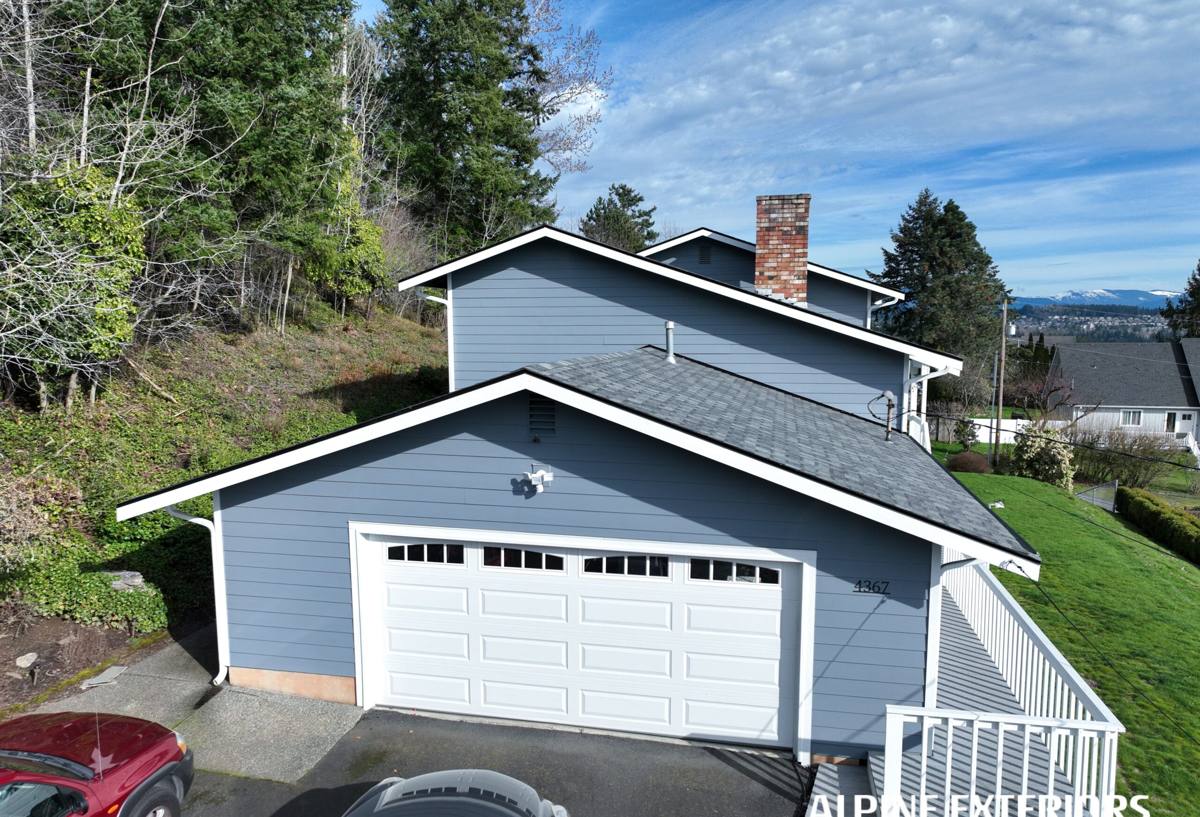
What Salt Air, Rain, and Moss Actually Do to a Roof
Salt air and corrosion
Airborne salt accelerates corrosion on exposed metal — flashing, fasteners, vents, and gutter hardware. Standard fasteners and thin-gauge flashing that would last decades further inland can start pitting and rusting years sooner near the water. This is one of the most overlooked factors in a Seattle roof replacement, because the damage shows up slowly and often gets blamed on "old age" instead of material choice.
Driving rain and wind exposure
Storms off Puget Sound don't just drop rain straight down — they push it sideways into laps, valleys, and vents. A roof that relies purely on shingle overlap without properly sealed underlayment and flashing will eventually let water find a seam. Wind exposure on Magnolia's bluffs and open-facing lots also puts more stress on shingle tabs and ridge caps than a roof tucked into a sheltered, tree-lined block.
Moss and moisture retention
Shade from mature trees and the region's damp, mild winters make moss and algae a near-constant presence on north-facing and low-slope sections. Moss holds moisture against the roofing surface, works its way under shingle edges, and can lift granules and tabs over time. Left unaddressed, it shortens the working life of an otherwise sound roof.
Signs a Magnolia Home Is Due for a Roof Replacement
Not every roof problem calls for full replacement — some are legitimate repairs. But a few patterns tell us the roof has reached the end of its useful life rather than needing another patch:
- Granule loss heavy enough that shingles look patchy or bald in sun-facing areas
- Moss established in the shingle mat itself, not just sitting on the surface
- Curling, cracking, or cupped shingles, especially on south and west exposures
- Soft or spongy decking felt underfoot in the attic, or daylight visible through the roof boards
- Rusted, cracked, or separated flashing around chimneys, skylights, and valleys
- Interior water stains that reappear after rain even when gutters are clear
- A roof that's already had two or more layers of shingles installed over the original
What a Correct Roof Replacement Involves
A proper replacement is a full system rebuild, not a surface swap. For a Magnolia home, that means:
Tear-off and deck inspection
Old roofing comes off down to the deck so it can be inspected directly — this is the only reliable way to find rot, delamination, or fastener corrosion hiding under the old material. Any soft or damaged decking gets replaced before anything new goes down; skipping this step is the single most common cause of premature roof failure.
Underlayment built for wet climates
A synthetic underlayment with self-sealing ice-and-water shield at eaves, valleys, and roof penetrations gives the roof a real second line of defense against wind-driven rain, not just a felt layer that's there to satisfy code minimums.
Flashing done in metal that lasts near salt air
Chimneys, skylights, dormers, and wall-to-roof transitions get new flashing sized and formed to the actual detail, using metal chosen for corrosion resistance rather than whatever is cheapest to bend. Reused or "cleaned up" old flashing is a common shortcut we don't take.
Ventilation that matches the home
Balanced intake and exhaust ventilation keeps the attic dry and temperature-stable, which reduces condensation on the underside of the deck and slows moss regrowth from the inside out.
Choosing a Roofing Material for This Climate
Every material has trade-offs. Our job is to lay them out honestly rather than push whatever has the best margin. For most Magnolia homes, the decision comes down to moisture behavior, wind performance near the water, and how much upkeep the homeowner actually wants to do.
| Material | Moss & moisture behavior | Wind / salt-air durability | Maintenance |
|---|---|---|---|
| Architectural (dimensional) asphalt shingle | Good with proper ventilation; algae-resistant granule options available | Solid when installed with the correct fastening pattern for wind exposure | Low — periodic moss treatment and gutter clearing |
| Standing seam metal | Sheds moss and standing water well due to slope and slick surface | Very good; needs corrosion-resistant fasteners and coatings near salt air | Low, but panel and fastener quality matters more than with shingles |
| Cedar shake | Attractive but holds moisture and is prone to moss and rot without diligent upkeep | Moderate; more installation-sensitive in wind-driven rain | High — regular treatment and inspection required |
| Synthetic/composite shingle | Good moisture resistance; less organic material for moss to grip | Good, varies by product and installation | Low to moderate |
We're upfront that cedar shake requires the most ongoing homeowner commitment in this climate — it's a maintenance-intensive product, not a bad one, and we'll install it correctly if that's what a homeowner wants. But for most Magnolia roofs where low-maintenance, long-term moisture performance is the priority, architectural shingle or standing seam metal tends to be the more practical call.
Our Roof Replacement Process
- Inspection and estimate. We walk the roof and attic, check decking, flashing, and ventilation, and put together a clear, written scope — no vague allowances.
- Permitting. Many re-roofing projects in Seattle require a permit through the city; we handle that as part of the job so it's not left on the homeowner's plate.
- Material selection. We walk through the trade-offs above based on the home's exposure, roof slope, and budget.
- Tear-off and disposal. Old roofing is removed down to the deck and hauled off; the deck is inspected and any damaged sections are replaced.
- Underlayment, flashing, and installation. Built in the order above — underlayment, flashing, ventilation, then the finish material.
- Cleanup and magnet sweep. Yard, driveway, and planting beds get cleared of debris and stray fasteners before we consider the job done.
- Final walkthrough. We go over the finished roof with the homeowner and answer any questions before closing out.
Keeping Moss From Coming Back
A good roof replacement buys years of protection, but moss season doesn't stop just because the roof is new. A little upkeep keeps a new roof performing like new for longer:
- Clear gutters and valleys of needles and debris at least twice a year
- Trim overhanging branches to let more sun and airflow reach shaded sections
- Consider zinc or copper strips near the ridge, which release compounds that inhibit moss growth as rain washes over them
- Have moss treated gently — avoid high-pressure washing, which can strip granules and shorten shingle life
- Schedule a quick roof check every year or two, especially after a hard windstorm off the Sound
Why Hire a Crew That Already Works Magnolia
Magnolia's mix of bluff lots, narrow access streets, and mature tree cover means logistics matter as much as workmanship. A crew unfamiliar with the neighborhood may underestimate staging, material delivery, or safe access on a steep driveway. A crew that already works this part of Seattle knows how to plan around those constraints, understands which exposures take the worst of the wind and salt air, and is used to navigating City of Seattle permitting for re-roofing work without it slowing the job down. That local familiarity translates into fewer surprises and a smoother project from estimate to cleanup.
What Affects the Cost of a Magnolia Roof Replacement
Costs vary enough between homes that we won't quote a number without seeing the roof, but the main drivers are consistent:
| Factor | Why it matters |
|---|---|
| Roof size and number of facets | More square footage and more valleys, dormers, or hips mean more material and labor |
| Pitch and access | Steep roofs and bluff-lot access can require additional safety setup and time |
| Existing layers and deck condition | Multiple old layers or rotted decking add tear-off and repair work |
| Material choice | Asphalt, metal, cedar, and composite all carry different material and labor costs |
| Flashing and detail complexity | Chimneys, skylights, and multiple valleys take more time to flash correctly |
In general, straightforward asphalt shingle replacements sit at the lower end of the range, metal roofing runs higher due to material and labor, and cedar shake falls somewhere in between depending on the detail work involved. A firm number only comes after an on-site look at the actual roof.
If your Magnolia roof is showing its age or you just want an honest read on where it stands, we're happy to take a look. Use the form below to request a free, no-pressure estimate — we'll walk the roof, explain what we find, and lay out real options without any push to over-buy.