 Seattle
 Magnolia Decks Face a Specific Kind of Wear
Magnolia sits on a peninsula above Puget Sound, and that location shapes what happens to a deck here. Homes on or near the bluffs catch salt-laden marine air that speeds up corrosion on fasteners, hardware, and any exposed metal connectors. Yards shaded by mature evergreens hold moisture longer after a storm, which is exactly what moss and algae need to take hold on decking boards and stair treads. Add in driving, wind-blown rain that gets pushed sideways under railings and against ledger boards, and you have a combination that ages a deck faster than a sunnier, drier neighborhood would. None of this means a Magnolia deck is doomed — it means the repair work has to account for these conditions instead of treating the deck like it's sitting somewhere dry.
We've repaired decks throughout Seattle and King County long enough to know that the failures we see in Magnolia tend to cluster around the same handful of causes: trapped moisture, corroding fasteners, and surface growth that's been left to sit. A repair that doesn't address the underlying moisture or corrosion issue is a repair that fails again within a season or two.
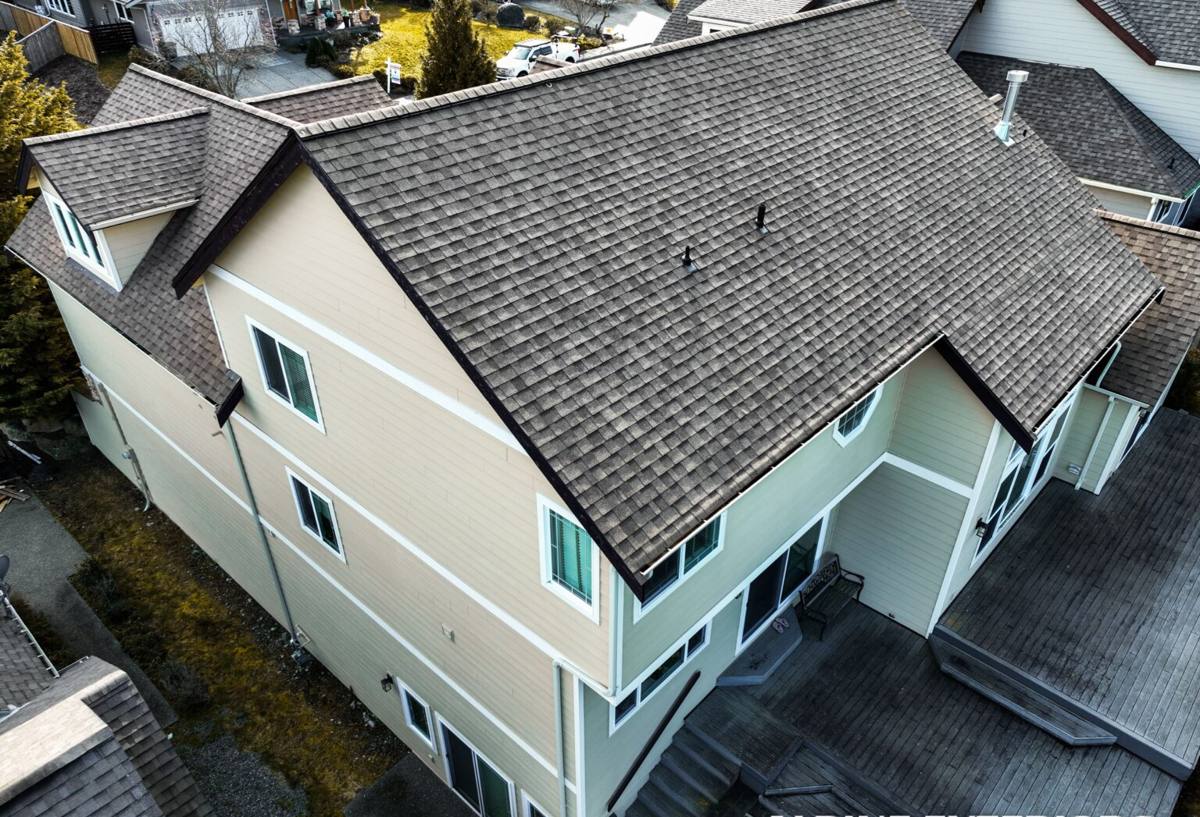
Signs a Magnolia Deck Needs Repair
Most deck problems don't show up overnight. They build quietly, often hidden under moss, furniture, or planters, until something gives. Homeowners usually call us after noticing one or more of the following:
- Soft, spongy, or springy spots when you walk across the decking
- Boards that have visibly cupped, split, or pulled away from joists
- Railings or stair rails that wobble or flex under hand pressure
- Rust streaks bleeding out from screw heads or metal brackets
- Persistent green or black growth that pressure washing doesn't fully remove
- Gaps or dark staining where the deck meets the house (the ledger board area)
- Stair stringers that feel less solid than they used to, especially near the base
Any one of these on its own might be minor. Several at once, especially near the ledger board or stairs, usually means moisture has been working on the structure for a while.
What's Actually Going Wrong Underneath
Ledger Board and Framing
The ledger board — where the deck attaches to the house — is the single most important structural connection on most decks, and it's also the part most exposed to wind-driven rain in a neighborhood like Magnolia. If flashing was installed poorly or has failed over time, water gets behind the ledger and into the rim joist, and that's a structural safety issue, not just a cosmetic one. We check this connection on every repair call, even when the customer's concern is somewhere else on the deck.
Fasteners and Hardware
Marine air accelerates corrosion, and older decks around Seattle were often built with fasteners and joist hangers that aren't rated for that kind of long-term exposure. Corroded fasteners lose their grip strength gradually, so a railing post or joist connection can look fine while actually holding on by very little. Replacing failed fasteners with corrosion-resistant, code-rated hardware is one of the most common repair line items we handle.
Decking Boards and Surface Growth
Moss and algae aren't just an eyesore. They hold moisture against the wood surface, which speeds up rot in wood decking and can make composite and even some capped-composite boards slippery and harder to keep clean. Long moss seasons here mean surface growth can return within months if the underlying shade and drainage conditions aren't addressed alongside the cleaning.
What a Correct Deck Repair Involves
A repair that actually holds up starts with an honest look at the whole structure, not just the spot the homeowner called about.
1. Full Inspection
We check the ledger connection and flashing, the framing underneath (joists, beams, posts, footings where accessible), the decking surface, railings, and stairs. Problems are often connected — a soft board is frequently a symptom of a framing issue below it, not an isolated bad board.
2. Isolating and Fixing the Moisture Source
Replacing rotted wood without fixing whatever let water in there in the first place just resets the clock. That might mean correcting flashing, improving drainage under the deck, or adjusting how boards are spaced to let water shed properly.
3. Structural Repair
Damaged joists, beams, posts, or ledger sections get replaced or sistered with new, appropriately rated lumber — never patched cosmetically over a weak spot. Fasteners and connectors are upgraded to corrosion-resistant hardware suited to our climate.
4. Surface and Finish Work
Decking boards, railing components, and stair treads are repaired or replaced to match existing material where reasonable, then cleaned and, for wood decks, refinished with an appropriate sealant or stain so the repaired area weathers evenly with the rest of the deck.
Repair or Replace? How We Help You Decide
Not every deck problem calls for a full rebuild, but not every deck is worth patching indefinitely either. We give homeowners a straight answer based on what the structure actually looks like underneath, not an upsell.
| Factor | Leans Toward Repair | Leans Toward Replacement |
|---|---|---|
| Ledger board & framing | Solid, dry, sound wood | Widespread rot or repeated water damage |
| Age of deck | Under 15-20 years, built to a decent standard | Original construction is quite old or undersized for current code |
| Extent of damage | Isolated boards, a section of railing, some fasteners | Damage spread across multiple structural members |
| Footings & posts | Stable, no settling or rot at the base | Heaving, settling, or rotted post bases |
| Your plans | Deck size and layout still work for you | You want a different footprint, railing style, or material |
In many Magnolia cases, we're able to repair the framing and hardware while replacing only the decking surface, which keeps costs down without leaving hidden problems behind.
Our Process for a Magnolia Deck Repair
- Free on-site inspection — we walk the deck, check underneath where accessible, and identify the actual cause, not just the visible symptom.
- Straightforward scope and estimate — you get a clear explanation of what's failing, what we recommend, and a written estimate before any work starts.
- Repair work — structural fixes first, then decking, railings, and finish work, using materials suited to Puget Sound moisture and marine air.
- Final walkthrough — we show you what was done and go over any maintenance that will help the repair last.
We schedule around the weather when it matters, particularly for work that involves open framing, since a repair rushed in the middle of a rainstorm doesn't do anyone favors.
Materials That Hold Up in This Climate
For structural framing, we use lumber and connectors rated for exterior, moisture-prone applications — this matters more in a marine environment than it does further inland. For decking surfaces, both quality wood and composite products can perform well here as long as they're installed correctly, with attention to drainage, ventilation underneath, and gaps that let the material dry out between rain events. We'll walk you through the honest trade-offs of each — wood needs more regular maintenance but is straightforward to spot-repair later; composite needs less upkeep but repairs typically mean replacing full boards rather than patching a section. We'll recommend what fits your deck, your budget, and how much upkeep you want to do, without steering you toward whatever's easiest for us to install.
Keeping a Magnolia Deck in Good Shape Between Repairs
A little regular attention goes a long way toward avoiding another repair call in a year or two. We recommend homeowners keep an eye on:
- Clearing leaves and debris from between boards before they trap moisture
- Washing off moss and algae buildup at least once a year, more often in shaded yards
- Checking railings and stair rails periodically for looseness
- Looking for rust staining around fasteners, which signals corrosion underway
- Inspecting the area where the deck meets the house after major storms
- Re-sealing or re-staining wood decking on the schedule the product calls for, not just when it looks faded
Why Hire a Crew That Already Works in Magnolia
A repair crew that mainly works drier, inland areas doesn't always account for how much harder marine air and a long moss season work against a deck here. We know which connections tend to fail first in this kind of exposure, what hardware actually holds up, and how to sequence repairs around Seattle's wet season instead of fighting it. That familiarity means fewer surprises once we open things up and a repair that's built to handle the conditions your deck actually faces, not generic conditions from somewhere else.
If your deck has soft spots, loose railings, persistent moss, or you're just not sure whether it needs a repair or a rebuild, we're glad to take a look. Reach out for a free, no-pressure estimate using the form below, and we'll give you a straight assessment of what your deck needs.