 Seattle
 Magnolia's Marine Climate Puts Real Demands on Siding
Magnolia sits out on its own peninsula, with more direct exposure to Puget Sound than many Seattle neighborhoods tucked further inland. That position brings real weather to plan around: salt-laced air moving off the water, driving rain that comes in sideways during winter storms, and a moss season that can run from early fall well into spring. Add in the mature tree cover that shades so many Magnolia streets, and you get siding conditions that are noticeably tougher than what a home might face in a drier, more sheltered part of King County.
None of this is unusual for the greater Seattle area, but Magnolia's exposure makes the effects show up sooner and more visibly. Homes with a water-facing elevation take the brunt of wind-driven rain and salt spray. Homes set under tree canopy deal with more shade, slower drying, and heavier moss and algae growth on north- and west-facing walls. A siding installation done right here has to account for both situations, sometimes on the same house.
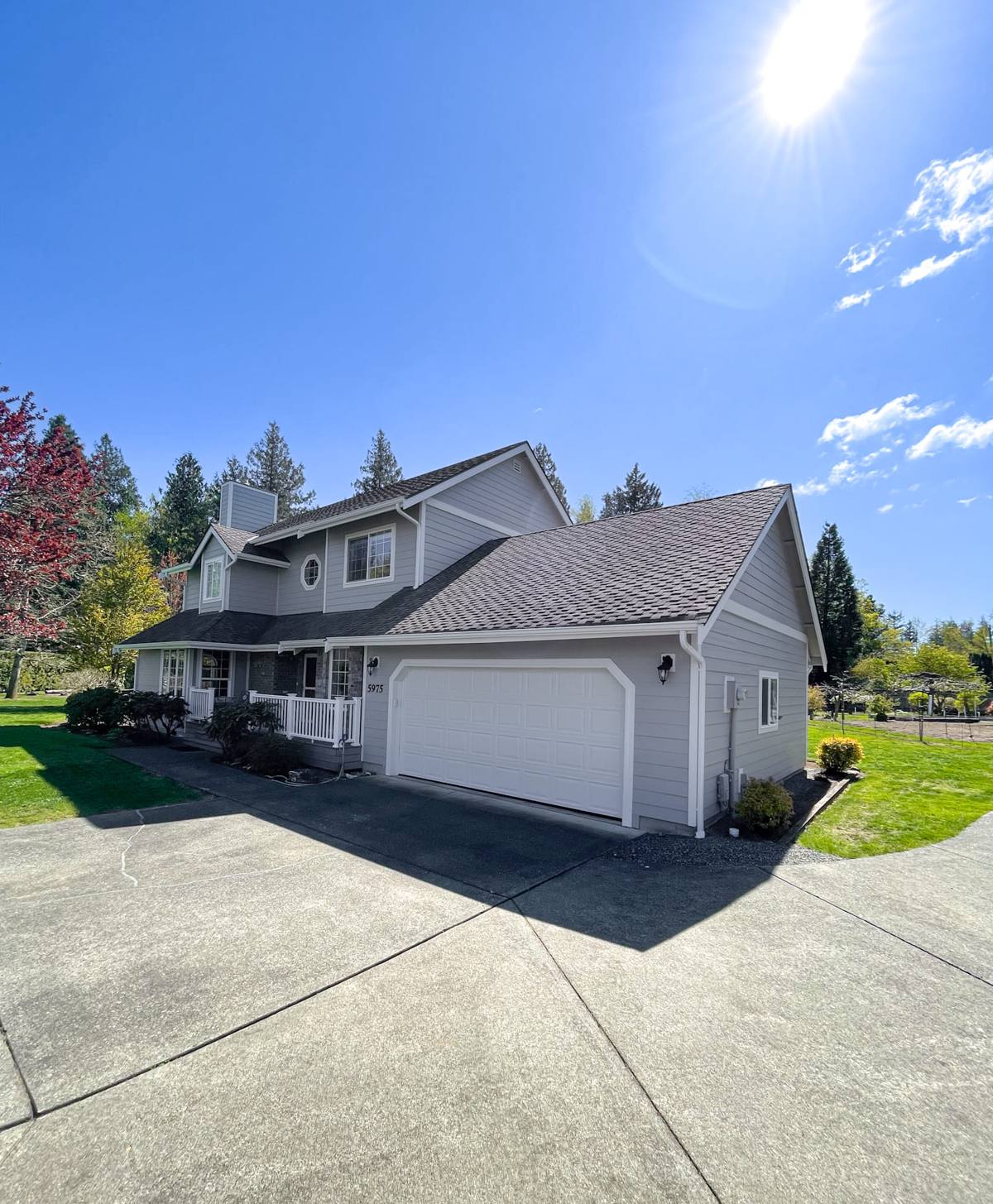
What Magnolia Homes Actually Need From Their Siding
Moisture Management Comes First
Constant damp weather doesn't just mean more rain hitting the wall — it means siding, house wrap, and flashing details have to keep working through months of sustained moisture exposure, not just the occasional storm. A siding product that absorbs water, swells, or holds moisture against the sheathing is a liability in this climate. What matters is a system that sheds water reliably and lets any moisture that does get behind it dry out again.
Salt Air and Slow Corrosion
Homes closer to the water deal with airborne salt settling on exterior surfaces over time. It's a slow process, but it accelerates corrosion on fasteners, trim, and any hardware that isn't rated for coastal exposure. Over years, that shows up as staining, rust streaks, and fastener failure if the wrong materials were used during installation.
Moss, Algae, and a Finish That Holds Up
A long moss season means more than the roof needs attention. Siding on shaded walls collects organic growth too, and a painted finish that starts chalking or peeling early just gives moss and algae more surface texture to grip. Homeowners in Magnolia are better served by a factory finish engineered to resist that buildup and hold its color without needing to be repainted every few years.
Why We Install Only James Hardie Fiber Cement Siding
Seattle Exterior installs James Hardie fiber cement siding exclusively. We don't offer LP SmartSide, vinyl, Cemplank, Allura, or unfinished cedar or spruce siding, and that's a deliberate standard, not an oversight. After years of doing exterior work across Seattle and King County, we've seen which products hold up to this specific climate and which ones create maintenance headaches or moisture problems down the road. Hardie's fiber cement performs consistently in wet, marine-influenced conditions in a way that's hard to match with wood-based or vinyl alternatives, and it gives us one product system we can install to a high standard every time rather than juggling the installation quirks of half a dozen different materials.
Built for This Climate Zone
James Hardie engineers its siding by climate zone through its HZ5 product line, which is specified for the Pacific Northwest and other regions with sustained moisture and moderate freeze-thaw activity. That's a meaningful distinction — it means the product's composition and installation guidance are matched to exactly the kind of weather Magnolia sees, rather than a one-size-fits-all approach. Combined with Hardie's ColorPlus factory finish, which is baked on and backed by its own finish warranty, homeowners get a wall covering that's engineered for driving rain and salt air, not just tolerant of it.
Non-Combustible and Built to Last
Fiber cement is also non-combustible, which matters more each year as wildfire smoke and regional fire risk become a bigger part of the conversation in Washington State, even on the wetter west side. Beyond that, correctly installed Hardie siding is built to hold up for decades with far less upkeep than wood siding or repainted surfaces typically require.
What a Correct Installation Actually Involves
Fiber cement siding is only as good as the installation behind it. A rushed or improperly detailed install can trap moisture, void the manufacturer's warranty, and create problems that don't show up until years later — often after the visible siding looks fine but the wall assembly underneath doesn't. A correct James Hardie installation on a Magnolia home should include:
- Removal of old siding and a full inspection of the sheathing underneath for rot, soft spots, or existing moisture damage
- A code-compliant weather-resistive barrier installed with proper overlaps and sealed penetrations
- A drainage gap or rainscreen approach where wall conditions call for it, so any moisture that gets behind the siding has somewhere to go
- Correct flashing at windows, doors, and every roof-to-wall transition — the details where most water intrusion problems actually start
- Fasteners and hardware rated for coastal and marine exposure, not standard interior-grade materials
- Manufacturer-specified nailing patterns, board spacing, and caulking practices, all installed to keep the Hardie product warranty intact
- Careful trim and joint work around corners, soffits, and architectural details so water is directed away from the wall, not into it
Our Process for Magnolia Siding Projects
Every home is different, but our approach to a Magnolia siding installation generally follows the same sequence:
- An on-site inspection and estimate, including a look at the existing siding, trim, and any visible signs of moisture damage or past repairs
- A written scope and cost breakdown before any work begins, so there are no surprises once the old siding comes off
- Careful removal of existing siding and an honest assessment of the sheathing — if we find rot or water damage, we'll walk you through the repair options before covering it back up
- Installation of the weather barrier, flashing, and drainage details specific to your home's exposure and wall assembly
- Installation of James Hardie siding and trim to manufacturer specification, maintaining the warranty coverage
- A final walkthrough and cleanup, including haul-away of the old material
Cost Factors for Siding Installation in Magnolia
Every project is priced individually, but the same handful of factors tend to drive cost up or down on Magnolia homes specifically:
| Factor | Why It Matters |
|---|---|
| Home size and total wall area | More square footage means more material and labor, the biggest single driver of overall cost |
| Site access and terrain | Sloped lots and hillside homes, common in parts of Magnolia, can require more setup time and equipment |
| Condition of existing sheathing | Rot or moisture damage found during tear-off adds repair work before new siding can go on |
| Type of siding being removed | Some existing materials, like old cedar or certain composite products, take more labor to remove and dispose of than others |
| Trim, architectural detail, and window/door count | More corners, transitions, and openings mean more flashing and finish work |
| Number of stories | Two- and three-story homes require additional staging, scaffolding, or lift access |
Why Hiring a Crew That Already Works in Magnolia Matters
Siding installation isn't identical from one Seattle neighborhood to the next. A crew that's worked Magnolia's streets knows what to expect from hillside lots, tighter access on some properties, and homes with real exposure to wind and salt off the Sound. That experience shows up in small but important decisions — where extra flashing detail is worth the time, which walls need extra attention for moisture and moss, and how to sequence a project around narrower streets or limited staging space.
It also matters when it comes to permitting and code requirements. Siding work in Seattle can involve permitting depending on scope, and a contractor who regularly works in the city knows the process rather than learning it on your project. Hiring locally isn't just a convenience — it's fewer surprises and a job that accounts for the conditions your specific home actually faces.
Keeping New Siding Looking Right in a Marine Climate
One advantage of James Hardie's ColorPlus finish is how little upkeep it needs compared to painted wood or older siding materials — but "low maintenance" isn't "no maintenance," especially in a neighborhood with Magnolia's moss exposure. A periodic rinse-down of shaded or north-facing walls helps keep organic growth from building up, and keeping gutters and downspouts clear reduces the amount of water running down the wall surface during heavy rain. Trimming back vegetation that keeps a wall shaded and damp also goes a long way toward keeping siding looking new for the long haul.
If you're weighing a siding replacement for a Magnolia home, we're happy to take a look and talk through what your house actually needs — no pressure, no hard sell. Reach out for a free estimate using the form below.