 Seattle
 Window Installation Built for Ravenna's Weather
Ravenna sits in one of the wetter, greener pockets of north Seattle, and the homes here show it. Mature tree canopy keeps yards shaded and roofs mossy, while the marine air that rolls in off Puget Sound carries a fine mist of salt and moisture almost year-round. Windows in this neighborhood do more work than windows in a dry inland climate ever would, and when they're installed wrong, the damage doesn't show up right away. It shows up two or three winters later, as soft framing, fogged glass, or a draft that never quite goes away.
This page is about one job, done one way, in one neighborhood: window installation for Ravenna homes, built around what King County's climate actually does to a building envelope over time.
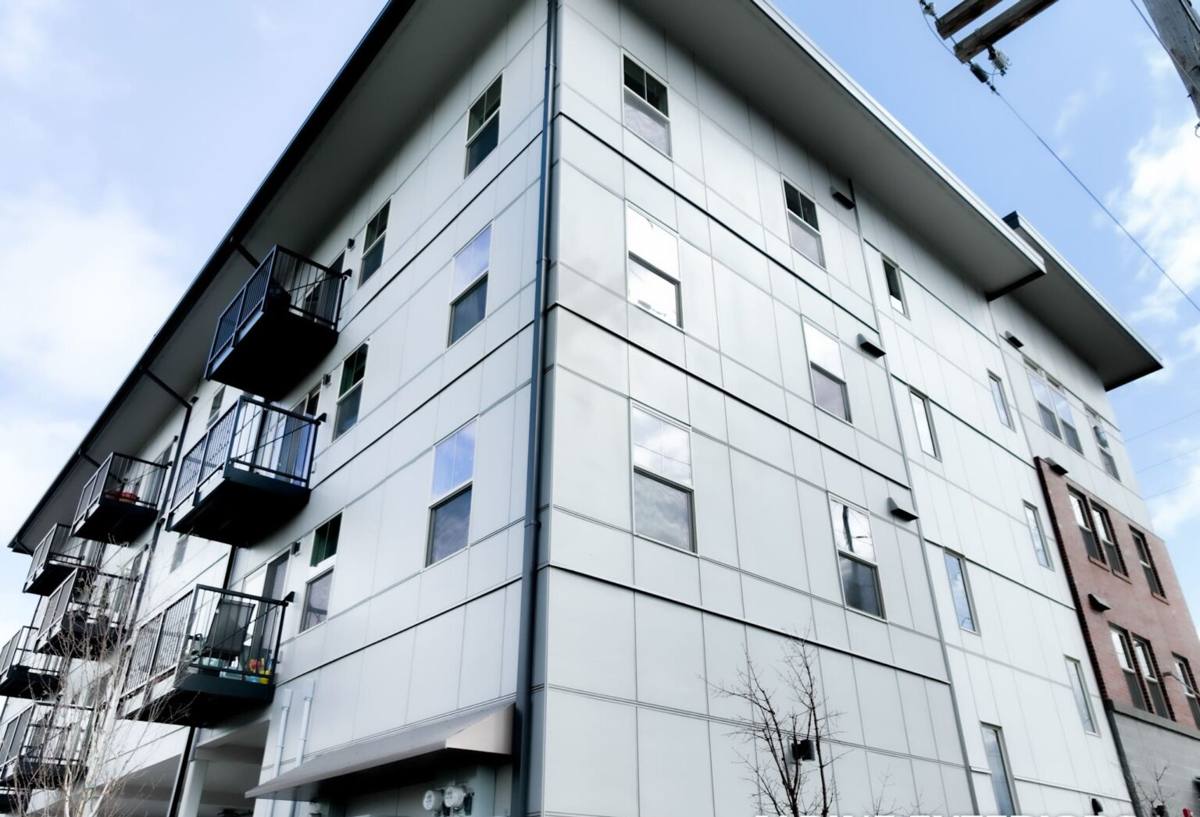
What Seattle's Climate Does to Windows Over Time
Three things drive most of the window problems we see in this part of Seattle:
Driving rain
Rain in Ravenna rarely falls straight down. Wind off the Sound pushes it sideways into west- and south-facing walls, which means water is constantly testing the seal around every window opening, not just sitting on the sill. A window that would be fine in a calmer climate can leak here if the flashing and drainage weren't detailed for wind-driven rain.
Salt air
Proximity to Puget Sound means a steady low-level exposure to salt-laden moisture. Over years, that accelerates corrosion on hardware, fasteners, and any exposed metal flashing that isn't rated for it. It's a slow process, but it's cumulative, and it's one reason we pay attention to what fasteners and flashing tape actually go behind the trim, not just what brand of window is on the label.
A long moss season
Shade, moisture, and mild temperatures give moss and algae a long growing season here — often eight or nine months out of the year. Moss doesn't just grow on roofs. It colonizes window sills, trim, and any horizontal or slightly-pitched surface that stays damp. Left alone, it holds moisture against wood trim and paint, which shortens the life of both.
Signs a Ravenna Home's Windows Need Attention
- Fogging or a permanent haze between the panes of a double-pane window — the seal has failed and the gas fill is gone
- Soft or spongy wood at the sill or bottom corners of the frame when pressed
- Visible moss or dark staining building up on the exterior sill or trim
- A draft you can feel with a hand near the frame on a windy day
- Windows that are difficult to open, close, or lock — often a sign the frame has shifted or swollen
- Paint that's peeling or bubbling specifically around the window opening, not the wall generally
Any one of these on its own isn't an emergency. Several together, especially on the same window, usually means water has been getting behind the trim for a while.
What a Correct Installation Actually Involves
Window installation is often talked about like it's just "removing the old one and putting in the new one." In a wet climate, the window itself is only part of the job — the water management around it matters just as much.
Sill pan and flashing
A proper installation includes a sloped sill pan under the window so that any water that does get past the exterior seal drains back out instead of sitting on the framing. Flashing at the head and sides needs to be lapped correctly — each layer overlapping the one below it — so water is always directed outward and down, never trapped.
Moisture barrier integration
The window's flashing has to tie into the house's existing weather-resistive barrier (the building paper or house wrap), not just sit on top of it. This is where a lot of shortcuts happen, and it's also where leaks that take years to show up usually start.
Air sealing without trapping moisture
The gap between the window frame and the rough opening needs to be air-sealed, but with materials that won't hold water if a small amount does get in. Solid-fill foams that don't allow any drainage path can make a minor leak into a hidden rot problem.
Fasteners and hardware
Given the salt air exposure, we use fasteners and flashing components rated for coastal or marine-adjacent conditions rather than standard interior-grade hardware. It costs a little more up front and saves a callback five years down the road.
Our Process for a Ravenna Window Installation
- On-site assessment. We look at each opening individually — orientation, exposure to wind-driven rain, existing trim condition, and any signs of past water intrusion.
- Honest scope and estimate. We tell you plainly which windows need full replacement, which could be repaired, and why — no upselling every opening in the house if it doesn't need it.
- Careful removal. Old windows come out without tearing more of the surrounding wall than necessary, and we check the framing underneath for hidden rot before anything new goes in.
- Sill pan, flashing, and barrier tie-in. This is the step that determines whether the installation lasts fifteen years or fifty, and it's the one we don't rush.
- Window set and air seal. The unit is leveled, shimmed, and sealed with drainage in mind, not just sealed shut.
- Exterior trim and finish. Trim is finished in a way that sheds water and resists the moss and algae growth common in shaded Ravenna yards.
- Walkthrough. We check operation, locks, and seals with you before we consider the job done.
Choosing Materials: Trade-offs for This Climate
There's no single "best" window material — every option is a trade-off, and the right choice depends on the specific opening, sun exposure, and how the home is maintained.
| Frame Material | Performs Well When | Maintenance Consideration in This Climate |
|---|---|---|
| Vinyl | Budget-conscious replacements, standard openings | Low maintenance, but check seal quality on cheaper lines |
| Fiberglass | Larger openings, long-term durability priority | Handles moisture and temperature swings well; higher upfront cost |
| Wood-clad | Historic or craftsman-style homes common in Ravenna | Needs regular paint/finish upkeep to keep moisture out of the wood core |
| Aluminum | Modern designs, large glass areas | Conducts cold and can condense more without a thermal break; watch corrosion near salt air |
We'll walk through which of these fits your home's style and your maintenance tolerance rather than steering you toward whatever is easiest for us to install.
What Drives the Cost of a Window Installation
We don't publish blanket pricing because two "standard size" windows in two different Ravenna homes can be very different jobs. What actually moves the number:
- Whether the existing framing is sound or needs repair once the old window is out
- Window size, shape, and whether it's a standard configuration or custom-order
- Frame material chosen
- Number of openings being done in one visit — bundling several windows is usually more efficient per unit than doing one at a time
- Trim and exterior finish work required to match the rest of the house
- Access — second-story or hard-to-reach openings take more time and equipment
We'll give you a real number after looking at the actual openings, not a phone-quote guess.
Why a Crew That Already Works Ravenna Matters
Ravenna has a mix of older craftsman bungalows, mid-century houses, and newer infill construction, often on the same block. A crew that already works this neighborhood has seen the common framing quirks in these homes, knows how shaded lots here hold moisture longer than more exposed parts of Seattle, and isn't guessing at what King County's building department expects for permitting on exterior work. That familiarity shows up in fewer surprises once the wall is opened up — and in trim and finish work that actually fits the character of the house instead of looking bolted on.
Before You Hire: A Practical Checklist
- Ask specifically how they handle sill pan flashing and barrier tie-in — not just "do you install windows"
- Confirm whether they carry current licensing and insurance appropriate for exterior work in Washington
- Ask what fasteners and flashing materials they use, given salt air exposure this close to the Sound
- Get the warranty terms in writing — both the manufacturer's window warranty and the installer's labor warranty are separate things
- Ask how they handle hidden rot or framing damage discovered mid-project, and how that affects cost
- Get a written estimate that itemizes materials and labor, not a single lump number
A contractor who answers these questions clearly, without getting defensive, is usually one worth hiring.
Maintaining New Windows in a Wet, Mossy Climate
Even a well-installed window benefits from basic upkeep in this environment. Rinsing sills and trim periodically to keep moss and algae from establishing themselves, keeping gutters clear so overflow doesn't run down onto window heads, and repainting or refinishing wood trim before the finish fails rather than after all go a long way toward getting the full lifespan out of the installation. None of this is complicated, but skipping it is how a fifteen-year window job turns into a ten-year one.
If you're noticing drafts, fogged glass, or moss buildup around your windows, we're happy to take a look and give you a straightforward, no-pressure estimate — just fill out the form below.