 Seattle
 Storm Damage Roof Repair Built for Ravenna's Conditions
Ravenna's tree-lined streets and older housing stock make it one of the more roof-friendly neighborhoods in Seattle to look at — and one of the more demanding ones to maintain. Mature conifers and big-leaf maples shade many of the blocks here, which is great for curb appeal and terrible for roof longevity. Add King County's wind-driven winter storms, months of steady rain, and a moss season that can run from fall through spring, and you have a roof that's working hard year-round, often without an obvious sign of trouble until water shows up inside.
Storm damage roof repair isn't the same job as routine maintenance. A storm doesn't just wear a roof down evenly — it creates specific, localized failures: a lifted shingle tab here, a cracked ridge cap there, a bent piece of flashing that only leaks when wind pushes rain sideways into it. Finding and correctly repairing those specific failures, rather than just patching the obvious spot, is what separates a repair that lasts from one that reopens with the next storm.
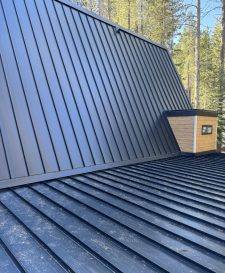
Common Storm Damage We Find on Ravenna Roofs
Wind-Lifted and Cracked Shingles
Older Ravenna homes often have roofs installed in stages or by different owners over the decades, which means shingle age and adhesive bond vary across the same roof. High wind gusts catch the weakest tabs first, breaking the seal strip and lifting edges. Once a shingle is lifted, it rarely reseals on its own — it flaps in the next wind event and lets water track underneath.
Tree Limb and Debris Impact
With as much tree canopy as this part of Seattle has, falling limbs and wind-blown branches are one of the most common causes of storm damage we're called out for. Impact damage isn't always a hole — often it's cracked or displaced shingles, dented gutters, or a bruised section of roof deck that won't show a leak until the next heavy rain.
Flashing and Valley Failures
Roof valleys, chimney flashing, and skylight flashing take the brunt of wind-driven rain because water is moving sideways, not just down. A flashing seam that's held fine for years can fail the moment wind pushes rain up and under it during a storm. These leaks are often misdiagnosed because the water shows up inside the house well away from where it actually entered the roof.
Moss-Weakened Roof Decking
Seattle's long moss season doesn't cause storm damage directly, but it sets a roof up to fail during one. Moss holds moisture against the roof surface, degrades shingle granules, and can work its way under tabs and flashing edges. A roof that's been carrying a moss load through the wet months is more vulnerable to wind lift and water intrusion when a storm hits, because the shingles and underlayment underneath are already compromised.
What a Correct Storm Repair Actually Involves
A lot of "storm repair" work in this region is really just a tarp and a handful of roofing nails — fine as a stopgap, not a fix. A correct repair identifies the actual failure point, checks the surrounding material for hidden damage, and restores the roof's water-shedding system, not just the visible spot.
| Factor | Quick Patch | Proper Storm Repair |
|---|---|---|
| Diagnosis | Fixes the visible damage only | Traces the leak path and checks adjacent flashing, decking, and underlayment |
| Materials | Whatever's on the truck | Matched to existing roof system and manufacturer specs |
| Underlayment | Often skipped or reused | Replaced where torn or saturated |
| Decking check | Rarely inspected | Probed for soft spots from prior moisture exposure |
| Expected lifespan | Until the next windstorm | Matches remaining life of the roof |
The extra time spent on diagnosis is the whole difference. A patch over a symptom leaves the underlying cause — a torn underlayment, a saturated section of decking, an undersized flashing lap — ready to fail again the next time King County gets a real wind event off the Sound.
Our Storm Repair Process for Ravenna Homes
- Safety-first inspection. We assess the roof from the ground and, once conditions allow, walk it to identify every point of damage — not just the one you can see from inside.
- Interior check. We look at attic spaces, ceilings, and areas below valleys and chimneys for signs of water intrusion that haven't shown up as a visible drip yet.
- Documentation. Before any repair begins, we document the damage clearly enough to support an insurance claim if you're pursuing one.
- Temporary protection. If the roof is actively leaking or has an open area, we get it weathertight the same day, ahead of the full repair.
- Repair scope and estimate. We walk you through exactly what needs to be fixed, what materials we'll use, and give you a straightforward cost range before any work starts.
- Repair execution. Damaged shingles, flashing, decking, or underlayment are replaced with materials matched to your existing roof system.
- Final check. We verify the repair sheds water correctly under the specific conditions that caused the original damage — wind direction, valley flow, or debris exposure.
Repair vs. Replacement: How We Make the Call
Not every storm-damaged roof needs full replacement, and we don't default to recommending one. The honest answer depends on a few things: how much of the roof was affected, how old the existing roofing is, and how much moss or prior moisture damage was already present before the storm.
- Isolated damage on a roof under 10-15 years old, with no widespread moss or decking issues, is almost always a repair.
- Storm damage that lands on a roof already near the end of its expected life is often the point where repair costs stop making financial sense compared to replacement.
- Damage that reveals hidden decking rot or repeated prior patch jobs usually means the repair needs to be larger than the storm damage alone suggests.
- If more than a third of the roof surface is affected, replacement is often more cost-effective than a large-scale repair, and we'll tell you that directly.
We'll always give you the repair option first if it's a sound one. If your roof is genuinely past the point where repair makes sense, we'll explain why in plain terms — remaining material life, decking condition, or how much of the roof would need to be opened up to do the repair correctly.
Insurance Claims and Storm Damage
Many storm damage repairs in this area are covered, in part or in full, by homeowners insurance — but the claims process goes smoother when the damage is documented properly and the repair is done to a standard the adjuster can verify. A few things that help:
- Photograph the damage yourself as soon as it's safe to do so, before any tarping or cleanup.
- Keep any temporary repair receipts — most policies cover reasonable emergency mitigation.
- Get a written repair estimate that itemizes materials and scope, not just a total price.
- Ask your contractor to document pre-existing conditions separately from storm-caused damage — adjusters look for this distinction.
- Don't sign anything committing you to a contractor's full scope of work before your adjuster has reviewed the damage, unless emergency repairs are needed to prevent further loss.
We're happy to provide the documentation and photos an adjuster needs, but we work for you, not the insurance company — our job is to describe the damage and the correct repair accurately.
Preventing Repeat Damage After the Storm
Once storm damage is repaired, a few habits go a long way toward keeping the next storm from causing the same problem again, especially in a neighborhood with this much tree cover:
- Have overhanging limbs trimmed back from the roofline where practical — this is one of the biggest predictors of repeat impact damage in tree-heavy parts of Seattle.
- Keep gutters and downspouts clear so storm runoff has somewhere to go instead of backing up under the roof edge.
- Address moss buildup during the dry months, before the next wet season gives it a chance to work into shingle seams and flashing.
- Have flashing around chimneys, skylights, and valleys checked annually — these are the components most likely to fail quietly, before a storm makes the failure obvious.
Why a Crew That Already Works Ravenna Matters
Roofing here isn't generic exterior work. A crew that regularly works Ravenna and the surrounding Seattle neighborhoods knows the roof pitches and material mix common to this housing stock, understands how wind actually moves through tree-dense residential streets versus open lots, and has already seen how moss and moisture behave on roofs in this specific microclimate. That local pattern recognition is what lets us diagnose the real cause of a leak quickly, instead of chasing symptoms.
It also means faster response. Storm damage doesn't wait for a convenient appointment window, and having a crew that's already familiar with the neighborhood — its access, its typical roof ages, its common failure points — means less time spent figuring out the basics and more time spent on the actual repair.
If a recent storm has left you with a leak, missing shingles, or debris damage on your Ravenna roof, we'll come take an honest look and give you a straightforward, no-pressure estimate — just fill out the form below to get started.