 Seattle
 Window Replacement Built for Ravenna's Housing Stock and Climate
Ravenna is one of Seattle's older, tree-heavy neighborhoods, and that combination shapes what window replacement actually needs to look like here. Many homes date back to the early-to-mid 1900s, with original wood sash windows that have been painted over, re-glazed, or partially replaced piecemeal over the decades. Add in the tall tree canopy near Ravenna Park and the surrounding blocks, and you get homes that stay shaded and damp for long stretches of the year. That's a different set of conditions than a newer, more exposed home in a sunnier part of King County, and it changes how we approach flashing, sealants, and material selection.
Seattle's climate doesn't do dramatic extremes, but it does grind. Salt air off the Sound, driving rain that comes in sideways during winter storms, and a moss season that can run from fall through spring all put steady, cumulative stress on window frames, sills, and the wall assembly around them. Windows here rarely fail all at once — they fail slowly, at the joints and edges, in ways that are easy to miss until there's water damage behind the wall.
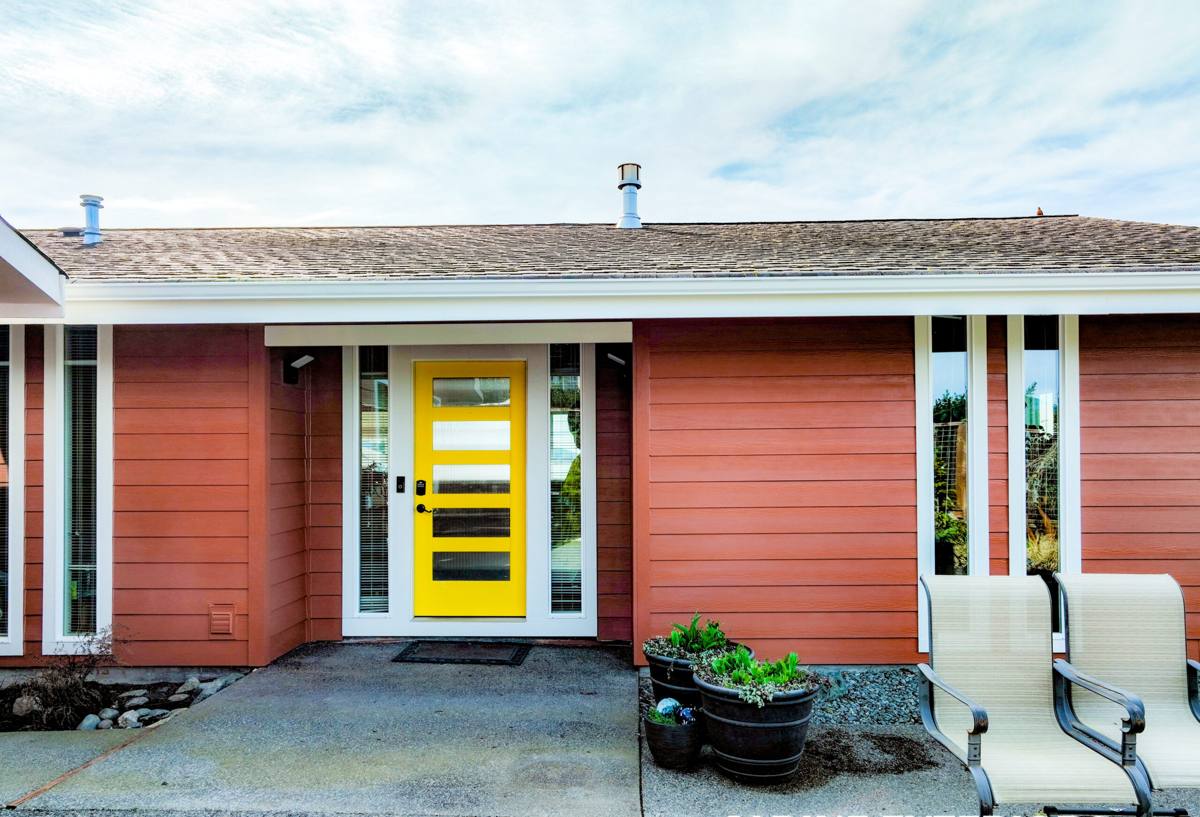
How the Region's Climate Wears Down Windows
Driving Rain and Wind-Driven Moisture
Unlike a straight downpour, wind-driven rain gets pushed sideways into window frames, gaps, and trim joints. Older single-pane or early double-pane windows in Ravenna often weren't detailed with modern flashing methods, which means water finds its way behind the frame instead of running off it. Over years, that shows up as soft wood, stained interior sills, or a musty smell near the window on rainy weeks.
Moss, Algae, and Shaded Exposure
Ravenna's mature trees are part of what makes the neighborhood appealing, but they also mean less direct sun on north- and east-facing walls, longer drying times after rain, and more organic growth on sills, tracks, and exterior trim. Moss and algae hold moisture against wood and vinyl surfaces far longer than a quick rinse would suggest, which accelerates rot in wood-frame windows and can stain or degrade sealants on newer units if they're not maintained.
Salt Air's Slow Corrosion
Being close to the Sound means a low but steady exposure to salt-laden air, which is harder on metal hardware — hinges, locks, balance mechanisms, and aluminum cladding — than most homeowners expect. Hardware that binds, locks that stick, or cladding that pits or discolors earlier than it should are common signs of this slow corrosion at work.
Signs a Ravenna Home Needs Window Replacement
- Visible gaps, drafts, or cold spots near the frame even with the window fully closed
- Wood that's soft, spongy, or discolored at the sill or lower corners
- Condensation or fogging between panes on double-pane units — a sign the seal has failed
- Paint that bubbles or peels repeatedly at the same spot despite repainting
- Windows that are difficult to open, close, or lock, especially older wood or aluminum units
- Persistent moss or black staining on sills or tracks that keeps returning after cleaning
- Noticeably higher heating bills in winter without another clear explanation
Any one of these on its own might just mean a repair. Several together, especially on a home with original or early-generation windows, usually means the window and its surrounding assembly have reached the point where replacement is the more honest answer than another patch.
What a Correct Window Replacement Job Actually Involves
Swapping in a new window is the easy part. The work that actually determines whether it lasts happens around the window, not in it. In a wet climate like Seattle's, that means:
- Removing the old window carefully and inspecting the framing and sheathing underneath for hidden rot before anything new goes in
- Repairing or replacing damaged framing rather than installing a new window over compromised wood
- Installing proper flashing — typically a sill pan and integrated flashing tape — so any water that does get past the exterior sheds outward instead of pooling
- Sealing correctly, with the right sealant in the right locations, leaving weep paths clear so trapped moisture can still escape
- Insulating the gap between the new frame and the rough opening without overpacking it, which can bow the frame and affect operation
- Finishing the exterior trim and paint line so water is directed away from the joint, not into it
Skipping any one of these steps is how a brand-new window ends up with the same rot problem in five years that the old one had after twenty-five. This is also why we're cautious about products or installation shortcuts that look fine on day one but create long-term moisture or maintenance problems — our standard is what holds up through repeated PNW winters, not just what looks good at handoff.
Window Types: What We See Work Well in Ravenna
| Window Type | Typical Fit for Ravenna Homes | Maintenance Consideration |
|---|---|---|
| Fiberglass | Strong option for older homes; holds paint or factory finish well, resists warping in damp, shaded conditions | Low — occasional cleaning, finish holds up over time |
| Vinyl | Cost-effective, good thermal performance, works well on additions or less visible elevations | Low — but can discolor or become brittle after many years in full sun exposure |
| Wood-clad | Good for matching original character on craftsman and older homes where appearance matters | Moderate — exterior cladding protects the wood, but cladding seams need periodic inspection |
| All-wood replica | Best for historic accuracy on original craftsman-era homes; requires the most upkeep in this climate | High — repainting and sealing on a regular cycle to manage moisture exposure |
| Aluminum | Less common for residential retrofits here due to thermal performance and corrosion exposure near the Sound | Moderate to high — hardware and cladding benefit from regular inspection |
There isn't one "correct" material for every Ravenna home — a lot depends on the age and style of the house, which elevation the window is on, how much shade and moisture exposure it gets, and what the homeowner wants to spend upkeep time on down the road. We'll walk through the trade-offs for your specific home rather than push a single product line.
What Drives the Cost of a Window Replacement
| Factor | Why It Matters |
|---|---|
| Number and size of windows | Larger openings and whole-house projects have different labor and material scaling than a single window swap |
| Framing condition | Hidden rot found during removal adds repair work before the new window can go in correctly |
| Window material and glass package | Fiberglass, vinyl, and wood-clad options price differently, as does upgraded glazing for noise or efficiency |
| Installation type | A full-frame replacement (removing down to the rough opening) costs more than an insert replacement but is often the right call on older homes |
| Trim and exterior finish work | Matching existing trim profiles or repainting disturbed siding adds finishing time |
| Access and elevation | Upper-story or hard-to-reach windows require more setup and time |
We won't quote a number without seeing the windows in person — anyone who does is either guessing or leaving room to surprise you later. What we can tell you upfront is that on older Ravenna homes, framing condition is usually the biggest wildcard, which is exactly why we inspect before we quote a final scope.
Our Process, Start to Finish
- On-site assessment — we look at each window, the surrounding framing where visible, and how water and shade interact with your specific elevations
- Honest recommendation — repair where repair makes sense, replace where it doesn't; we'll tell you which is which
- Clear, written estimate — scope, materials, and timeline spelled out before any work starts
- Careful removal and inspection — checking framing for hidden damage before installing anything new
- Installation with proper flashing and sealing — the details that determine whether the job lasts
- Finish work and cleanup — trim, paint lines, and a tidy job site when we're done
- Walkthrough — we show you the finished work and answer questions before we consider the job complete
Why a Crew That Already Works in Ravenna Makes a Difference
Window replacement done wrong doesn't usually fail on day one — it fails quietly, two or three winters later, when the flashing was skipped or the sealant was applied in the wrong spot. A crew that regularly works Seattle homes, and Ravenna's older housing stock specifically, has already seen how these houses were originally built, where the common trouble spots are on early-1900s framing, and how the neighborhood's shade and moisture patterns behave through a full year of seasons. That's not something a crew from outside the region picks up on the first job. It shows up in the small decisions — where the sill pan gets set, how much clearance is left for drainage, which sealant holds up under this specific mix of rain and shade — and those small decisions are what separate a window replacement that lasts twenty-plus years from one that needs revisiting in five.
A Straightforward Checklist Before You Hire
- Ask whether they inspect framing before quoting, or only after removal has started
- Ask what flashing and sealing method they use, and why
- Get the estimate in writing, with materials and scope spelled out
- Ask how they handle hidden rot or damage discovered mid-project
- Confirm whether it's a full-frame or insert replacement, and why that's the right call for your window
- Ask about warranty coverage on both the product and the installation labor
If your Ravenna home has windows showing any of the wear signs above, or you're just weighing whether repair or replacement makes more sense, we're happy to take a look and give you a straight answer. Reach out for a free, no-pressure estimate using the form below.