 Seattle
 Windows Built for the Way Ravenna Actually Weathers
Ravenna sits under one of the heavier tree canopies in Seattle, and that canopy does two things to a house: it shades the roofline for most of the year, and it keeps moisture sitting against siding, trim, and window frames longer than it would on a more exposed lot. Add in King County's long wet season, wind-driven rain off Puget Sound, and the moss and algae growth that thrives in shaded, damp conditions, and you get window frames, sills, and casings that take on water stress most drier climates never see. Custom windows for a Ravenna home aren't about upgrading for looks — they're about matching the window to the specific way this neighborhood's weather works on a house year-round.
"Custom" in this context usually means one of two things: a window built to fit an opening that isn't a standard manufactured size (common in older homes), or a window designed to match a specific look — divided lites, a particular sash profile, a stain-grade wood interior — that a stock unit can't replicate. Either way, the goal is the same: a window that fits its opening precisely, sheds water correctly, and holds up to a Seattle winter without babying.
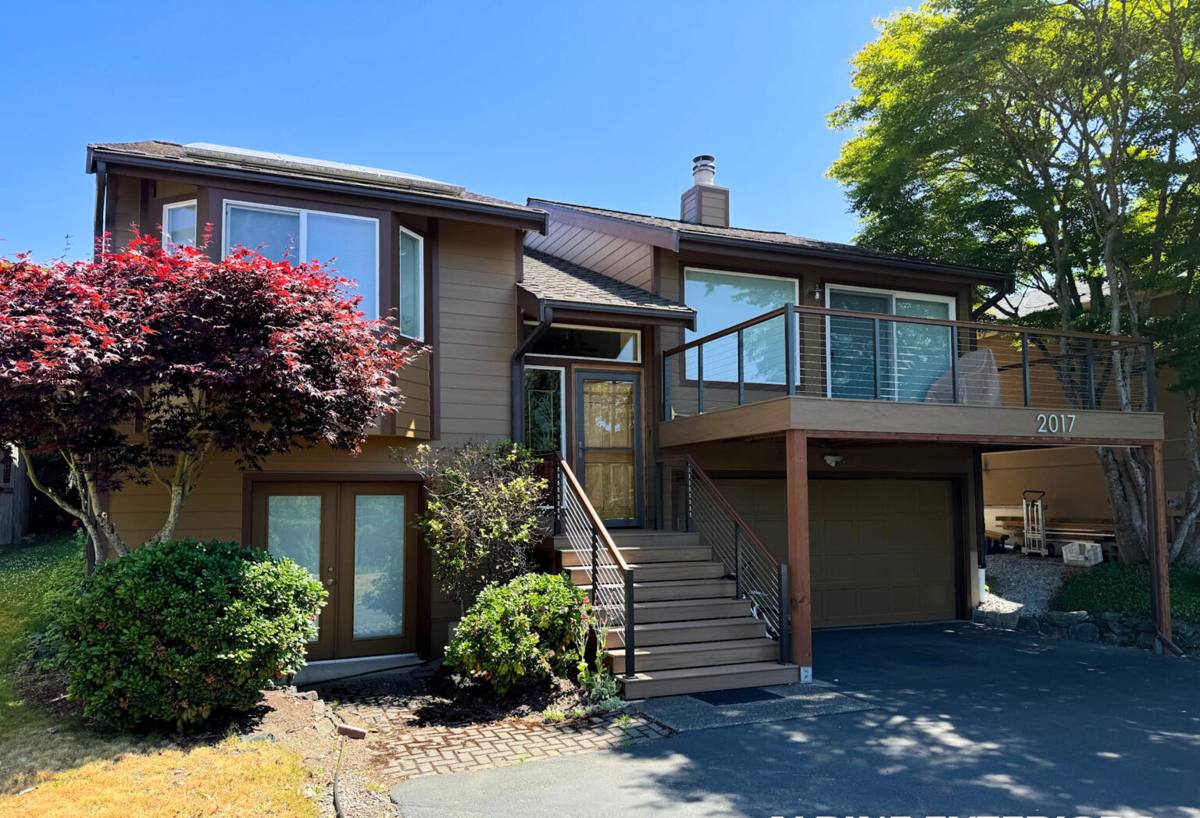
What Ravenna's Housing Stock Actually Needs
Much of Ravenna was built up in the early-to-mid 1900s, and that shows in the window openings. Original construction often used rough openings sized for wood sash windows that no longer match today's standard vinyl or fiberglass unit dimensions. That's the single biggest reason homeowners in this neighborhood end up needing custom-sized windows rather than an off-the-shelf replacement: forcing a stock size into an opening that's an inch or two off in either direction leads to shimming, gapping, and air and water infiltration that shows up as a draft or a stain a year or two later.
Older Ravenna homes also tend to have original wood trim and casing worth preserving. A correct window replacement respects that trim wherever it's sound, rather than tearing it out to make a job faster. Where trim has already taken water damage — soft wood, peeling paint, staining at the sill — that's addressed as part of the job, not papered over.
Common Issues We See on Ravenna Homes
- Wood sash windows swollen shut or painted shut from decades of moisture cycling
- Rotted or soft sills where water has been pooling instead of draining
- Single-pane glass with failed or missing storm windows, driving up heating costs
- Moss and algae staining on north- and shade-facing window trim
- Gaps around frames where old caulk and glazing putty have cracked and pulled away
- Condensation between panes on older double-pane units, meaning the seal has failed
Signs It's Time to Look at Your Windows
Most homeowners don't replace windows on a schedule — they replace them when something starts to fail. In a shaded, wet neighborhood like Ravenna, the failure points are usually moisture-related before they're anything else. Walk your window line once a year, especially before the rainy season sets in, and watch for these:
- Visible fogging or a milky haze between panes of double-pane glass
- Wood that feels soft or spongy when you press on the sill or lower frame
- Paint that's bubbling or peeling specifically around the window, not the wall
- A window that's hard to open, close, or lock — often a sign of frame swelling or settling
- Cold drafts near the window even with it fully closed
- Visible moss or dark green-black staining building up on the sill or trim
- A noticeable jump in heating bills without any other explanation
None of these mean the whole window needs replacing tomorrow. But they're the early warning signs that moisture is winning, and in this climate, that problem doesn't reverse itself — it compounds with every wet season it's left alone.
Choosing the Right Frame Material
Material choice matters more here than in a dry climate, because the frame is dealing with sustained moisture exposure, not just occasional rain. There's no single "best" material for every house — it depends on your home's style, your budget, and how much maintenance you're willing to keep up with.
| Material | How It Handles Seattle's Wet Season | Maintenance | Best Fit |
|---|---|---|---|
| Vinyl | Won't rot; handles moisture well; can flex slightly in temperature swings | Low — occasional cleaning | Budget-conscious replacements, rear or less-visible elevations |
| Fiberglass | Excellent moisture and temperature stability; very low expansion/contraction | Low | Homes wanting durability without wood upkeep |
| Wood (with proper sealing) | Authentic look for older homes but vulnerable if finish isn't maintained | High — repainting/sealing on a cycle | Historic-style or front-facing windows where appearance matters most |
| Wood-clad (wood interior, clad exterior) | Exterior clad shell resists weather while interior keeps a wood look | Moderate | Homeowners wanting original character with less exterior upkeep |
For street-facing windows on an older Ravenna craftsman or Tudor-style home, wood or wood-clad often makes the most sense visually. For side and rear elevations, or homes prioritizing low upkeep, vinyl or fiberglass hold up just as well functionally without the repainting cycle.
What a Correct Custom Window Installation Actually Involves
The window unit itself is only part of the job. Most window failures we get called out to fix — even on windows that are only a few years old — trace back to installation shortcuts, not the product. A correct install includes:
Before the New Window Goes In
- Removing the old unit and inspecting the full opening — sill, jambs, header — for rot or water damage before anything new goes in
- Repairing or replacing any damaged framing, not building over it
- Installing a sloped sill pan so water is directed out and away from the wall, not held against the frame
During Installation
- Properly flashing the opening so water sheds behind the siding and around the window, not into the wall cavity
- Shimming and leveling the new window so it operates correctly and seals evenly on all sides
- Sealing and insulating the gap between the frame and the rough opening — not just caulking the exterior trim
Skip the sill pan or flashing detail and a brand-new, high-quality window can still leak water into the wall within a couple of wet seasons. This is the part of the job that doesn't show up in a sales brochure, and it's the part that actually determines whether the window lasts.
Our Process
We keep the process straightforward because a homeowner shouldn't have to guess what's happening to their house:
- Walkthrough and assessment — we look at each window in question, check the framing and trim condition, and talk through what's actually needed versus what's optional
- Honest estimate — a clear breakdown of materials, labor, and any framing repair, with no pressure to upgrade beyond what the house needs
- Measuring and ordering — for custom sizes or profiles, we take precise measurements rather than forcing a stock size to fit
- Removal and inspection — old windows come out, and we check the opening before anything new goes in
- Installation — proper flashing, sill pan, shimming, and insulation, done in that order, not skipped for speed
- Finish and cleanup — trim work matched to the home where possible, and the site left clean
What Affects the Cost
We won't quote a number without seeing the windows in question, but the main cost drivers on a Ravenna custom window job are consistent enough to explain up front:
| Factor | Why It Moves the Price |
|---|---|
| Standard size vs. true custom size | Custom-sized units cost more to manufacture and take longer to arrive |
| Frame material | Wood and wood-clad run higher than vinyl or fiberglass |
| Framing repair needed | Rot or water damage found at removal adds labor before the new window even goes in |
| Number of windows done at once | Bundling several windows in one visit typically costs less per window than one-offs |
| Trim and interior finish work | Matching original trim profiles takes more time than installing standard stock trim |
Why It Matters to Hire a Crew That Already Works This Neighborhood
A crew that regularly works Ravenna knows what to expect before they pull the first window: older rough openings that rarely match modern stock sizes, trim details worth preserving, and framing that's had decades of shaded, damp conditions to work on it. That familiarity means fewer surprises mid-job and a more accurate estimate up front, because we're not guessing at what's behind the trim on a house of this era in this part of Seattle.
It also matters for the practical side of the job — narrow lots, on-street parking, and close-set homes are the norm in this part of King County, and a crew used to working in dense city neighborhoods plans around that instead of treating it as a surprise on installation day.
Keeping New Windows Performing Through the Wet Season
A correctly installed custom window shouldn't need much from you, but a little seasonal attention goes a long way in this climate:
- Clear debris and moss from sills and tracks before the fall rains set in
- Check exterior caulking once a year for cracking or gaps, especially after a hard freeze
- Keep gutters and downspouts clear so runoff isn't sheeting down over window trim
- For wood and wood-clad frames, keep the exterior finish on its repainting or resealing cycle
- Wipe down interior sills after heavy condensation events, particularly on north-facing rooms
None of this is heavy maintenance — it's the kind of upkeep that takes an afternoon a year and prevents the slow moisture damage that's the real enemy of windows in this climate.
If your Ravenna home's windows are drafty, fogged, hard to operate, or just original to a house built decades ago, we're happy to take a look and walk you through what's actually needed — no pressure, no upsell. Use the form below to request a free estimate.