 Seattle
 Why Capitol Hill Windows Take More Than a Standard Install
Capitol Hill sits close enough to Puget Sound and Lake Washington that salt-tinged air, near-constant winter drizzle, and a long moss season all work on a house year-round. Windows are one of the first places that shows up. Wood sashes swell and stick, old glazing putty cracks and lets water behind the trim, and aluminum frames from past decades pit and corrode faster here than they would in a drier climate. None of that is a reason to panic about your windows — it's just the baseline every window job in this neighborhood has to account for. A window that's installed correctly for Seattle's climate should shrug off decades of driving rain. One that isn't will show leaks, fogging, or rot within a few wet seasons, no matter how good the window itself is.
This page is specifically about window installation for Capitol Hill homes — not a general overview of every service we offer. If you're weighing a full window replacement or a targeted fix on a few problem windows, this is what that project actually involves here.
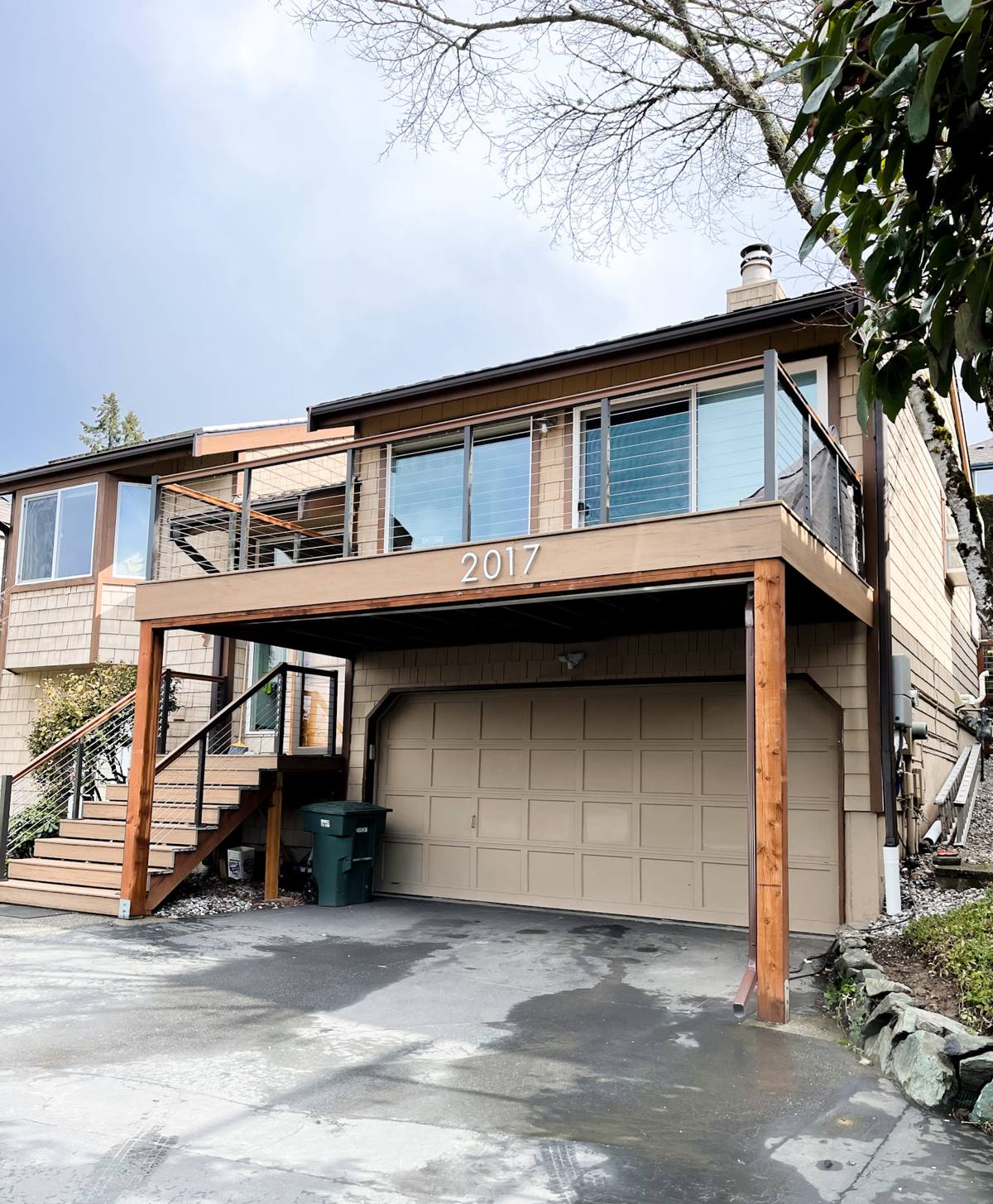
Capitol Hill's Housing Stock and What It Means for Your Windows
Capitol Hill has one of the more varied housing mixes in Seattle — early-1900s Craftsman and Victorian homes, brick and wood-frame apartment buildings from the same era, and infill construction from the last few decades sitting right next to them. The right window approach depends heavily on which category your home falls into.
Older Craftsman and Victorian Homes
Homes from this era were usually built with single-pane wood windows and simple wood trim. By now, most of those original windows have been re-painted many times, and the wood sash and sill are often the weak point — not because wood is a bad material, but because decades of moisture exposure without proper maintenance take a toll. On these homes we look closely at the condition of the framing and sill before we ever talk about which replacement window to install, because a beautiful new window set into a rotten or improperly flashed opening will fail early regardless of brand.
Newer Construction and Multifamily
Homes and townhomes built more recently usually have vinyl or aluminum-clad windows already, and the more common issue is failed seals, condensation between panes, or builder-grade flashing that was never detailed for our rain volume. On these, replacement is often more straightforward, but we still verify the flashing and moisture barrier around each opening rather than assuming the original installation was done to a standard that will hold up long-term.
What a Correct Window Installation Actually Involves
Window installation gets treated like a simple swap — old window out, new window in — but the parts that determine whether it lasts are mostly invisible once the trim goes back on. Here's the sequence that matters for this climate.
Removal and Inspection
Every opening gets checked once the old window is out: sill condition, framing moisture, and whether the existing flashing (if any) was doing its job. This is the point where hidden rot or water damage shows up, and it's better to find it now than to seal a new window over a problem that will keep growing behind the wall.
Flashing and Weatherproofing
This is the step that separates a window that survives Seattle winters from one that doesn't. Proper flashing directs any water that gets past the exterior cladding down and out, away from the framing, using a shingle-style layering of flashing tape and building paper so water always sheds outward and never gets trapped behind the window. Skipping or rushing this step is the single most common cause of window-related rot we see in older homes.
Insulation and Air Sealing
The gap between the window frame and the rough opening needs to be insulated and air-sealed without over-packing it, which can bow the frame and cause the window to operate poorly or seal unevenly. Done right, this step also cuts down on drafts and the cold-glass condensation that's common in our damp winters.
Finish Work
Interior and exterior trim gets reset or replaced, caulked at the right joints (not all of them — over-caulking can trap moisture instead of releasing it), and painted or sealed to match. On older homes we try to preserve trim details that match the character of the house rather than defaulting to a generic profile.
Choosing a Window Material for This Climate
There's no single "best" window material — each has trade-offs, and the right call depends on your home's age, your budget, and how much maintenance you want to take on. Here's how the common options hold up against Capitol Hill's rain and salt-air exposure specifically.
| Material | How it handles our climate | Maintenance |
|---|---|---|
| Vinyl | Won't rot or corrode; performs consistently in wet, salt-tinged air | Low — occasional cleaning |
| Fiberglass | Very stable through temperature and moisture swings; strong long-term option | Low |
| Wood-clad (wood interior, clad exterior) | Good look, but the exterior cladding must be installed and flashed correctly or moisture can get trapped against the wood | Moderate — watch seams and joints |
| Aluminum | Prone to corrosion and condensation in coastal, high-moisture air unless thermally broken | Higher — needs monitoring for pitting and seal failure |
| All-wood (unclad) | Classic look for period-correct homes, but demands regular repainting and sealing to resist our rain volume | High — repaint/reseal on a schedule |
For most Capitol Hill homes, we steer clients toward vinyl or fiberglass for straightforward performance, and reserve wood or wood-clad for cases where matching historic character is the priority and the owner is ready for the added upkeep. That's a maintenance and moisture-management trade-off, not a judgment on any manufacturer's product — plenty of well-made windows in every category exist, and the deciding factor is usually how much long-term care you want to put in.
Energy Efficiency and Comfort Through a Wet Season
Seattle doesn't get brutal cold snaps very often, but it does get months of steady dampness, low light, and temperature swings between a warm interior and a cold, wet exterior. Old single-pane windows, or newer windows with failed seals, let that damp cold radiate into the room and often fog up or sweat on the interior glass — a sign that indoor humidity is condensing on a cold surface. Properly installed, well-sealed double-pane (or better) windows cut that condensation dramatically, which also reduces the conditions that let mold and mildew get a foothold near window sills during our long moss season. It's less about a dramatic heating-bill number and more about a house that feels warmer, drier, and less prone to the black mold spotting that shows up on older sills and trim.
Our Process for a Capitol Hill Window Project
- On-site assessment — we walk the exterior and interior of each window opening, checking framing, sill condition, and current flashing before recommending anything.
- Honest scope and options — we tell you which windows genuinely need replacement, which can be repaired, and what material and style options make sense for your home and budget.
- Written estimate — clear, itemized, no vague allowances.
- Removal and flashing-first installation — each opening is prepped and flashed correctly before the new window goes in, not treated as an afterthought.
- Insulation, trim, and finish — interior and exterior finish work matched to your home.
- Final walkthrough — every window opened, closed, and checked with you before we consider the job done.
Permits, Code, and Historic Considerations
Window replacement in Seattle can trigger permitting depending on the scope of work, and bedroom windows have egress requirements (minimum opening size and sill height) that matter if you're changing window size or type in a sleeping room. Some pockets of Capitol Hill also carry historic-district or landmark designations that affect what's allowed on street-facing elevations, so it's worth confirming your address's status before finalizing a plan if your home is in one of the neighborhood's older, architecturally distinct blocks. We handle the permit and code check as part of the estimate process rather than leaving it for you to sort out separately.
What to Check Before You Hire Anyone for This Job
- Do they inspect the actual opening, not just measure for a window size?
- Can they explain their flashing method in plain terms — if the answer is vague, that's a red flag for this climate
- Are they licensed and insured to work in Seattle/King County, and will they show you proof without being asked twice?
- Do they give you a written, itemized estimate rather than a single lump number?
- Will they tell you honestly if a window can be repaired instead of replaced?
- Do they have experience specifically with older Capitol Hill housing stock, not just newer suburban construction?
Why Local Experience on Capitol Hill Matters
A crew that works this neighborhood regularly already knows what a hundred-year-old sill looks like when it's failing versus when it just needs paint, how the local moss and moisture pattern behaves against different siding types, and what King County's permitting process expects for window work on both older and newer homes. That's the difference between a window installation that's technically finished and one that's actually built to hold up through another decade of Seattle rain.
If you're weighing whether your Capitol Hill windows need repair or full replacement, we're happy to take a look and give you a straight answer. Reach out for a free, no-pressure estimate using the form below.