 Seattle
 Why Capitol Hill's Housing Stock Changes the Window Conversation
Capitol Hill is one of Seattle's older, denser neighborhoods, and that history shows up in its windows. You'll find a mix of early-1900s craftsman and Victorian homes, brick and wood-frame apartment buildings, and infill construction from every decade since. A lot of the original housing stock still has single-pane wood windows, or a first-generation double-pane replacement installed decades ago that's well past its useful life. None of that glass was built with today's energy costs or today's weather patterns in mind.
That matters because a window upgrade on a 1910 craftsman is a different job than the same upgrade on a 1980s townhouse. Original openings are often slightly out of square after a century of settling, trim and casing may be worth preserving, and wall assemblies weren't built with modern vapor barriers. Energy-efficient windows only deliver on their promise when the installation accounts for what's actually behind the existing frame — not just what's advertised on the box.
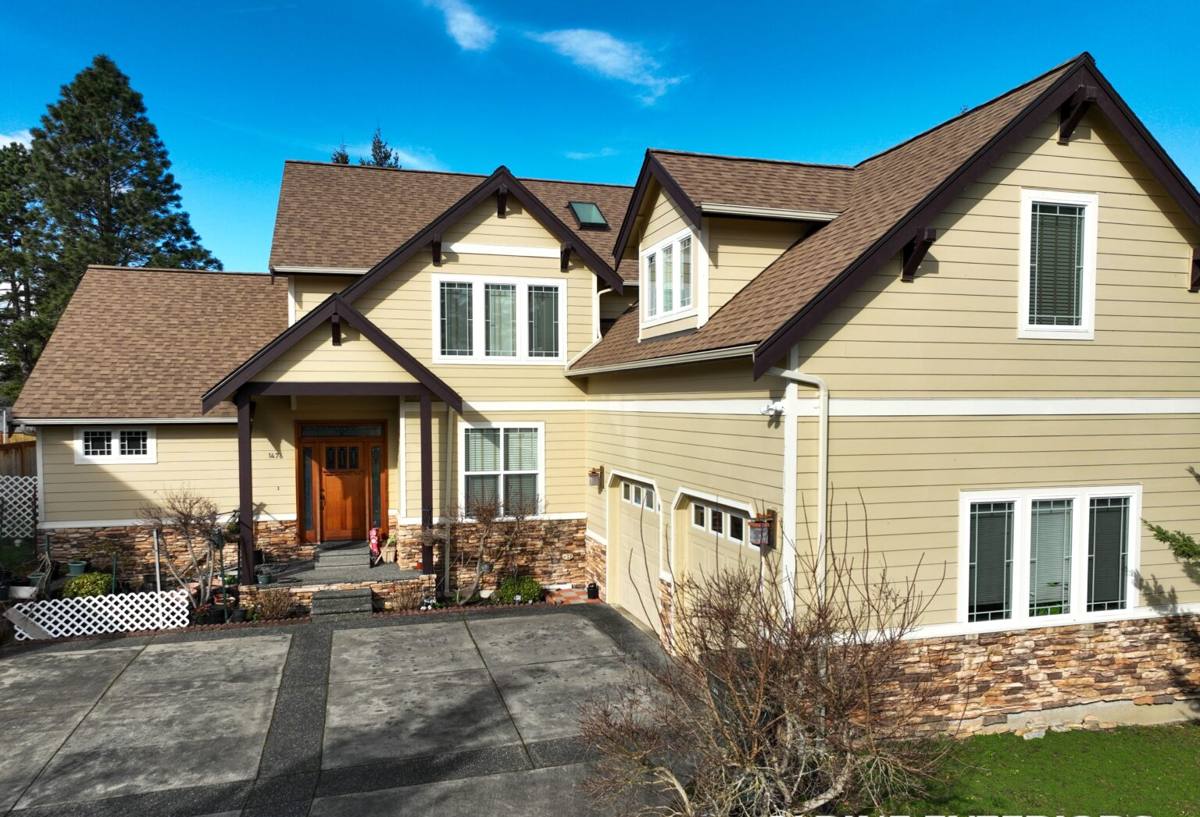
What the Local Climate Actually Does to a Window
Seattle and the broader Puget Sound region don't get extreme heat or cold, but they get something arguably harder on windows: sustained moisture. Marine air off the Sound keeps humidity high year-round, driving rain pushes water sideways into gaps that would stay dry in a calmer climate, and King County's tree canopy means many Capitol Hill lots stay shaded and damp for long stretches — the kind of conditions that grow moss on a roof and, just as easily, breed rot around a window sill that isn't sealed correctly.
Old or failing windows respond to this environment in a few predictable ways:
- Condensation building up between panes, a sign the seal has failed and the insulating gas has escaped
- Soft or discolored wood at the sill and lower corners from years of slow water intrusion
- Visible moss or algae staining on exterior trim, especially on north- and west-facing walls
- Drafts you can feel on a rainy, windy day even when the window is latched shut
- Fogged or hazy glass that never fully clears, even on dry days
None of these are cosmetic issues you can ignore. Once moisture gets behind a window frame in a climate this wet, it doesn't dry out on its own — it works on the framing all winter.
What "Energy-Efficient" Actually Means Here
Window marketing throws around a lot of numbers, but only a few matter for a Pacific Northwest climate. U-factor measures how well a window resists heat transfer — lower is better, and it's the number that matters most for our mild-but-persistently-cool weather, where the goal is keeping heat inside more than blocking sun. Low-E (low-emissivity) glass coatings reflect radiant heat while still letting daylight through, which helps on the gray days that make up most of a Seattle winter. Argon or krypton gas fill between panes adds another layer of insulation without adding weight or cost that isn't worth it.
What you generally don't need to prioritize as heavily here as a homeowner in Phoenix or Dallas would: high solar heat gain blocking. Seattle doesn't get the brutal summer sun exposure that drives that trade-off, so a window package tuned for the desert Southwest isn't the same package that makes sense in King County. A correctly specified window for Capitol Hill balances insulation value with enough visible light transmittance to keep interiors from feeling dim during our shorter winter days.
Frame Materials: What Holds Up in a Wet, Cool Climate
Frame material affects long-term performance as much as the glass package does, especially with the moisture load this region puts on a building envelope. Here's how the common options compare for a Capitol Hill installation:
| Frame Material | Moisture Performance | Maintenance | Best Fit |
|---|---|---|---|
| Vinyl | Good — won't rot, resists moisture well | Low; occasional cleaning | Most homes prioritizing value and low upkeep |
| Fiberglass | Excellent — very stable in wet/dry cycling | Low | Homes wanting long-term durability and minimal expansion/contraction |
| Wood-clad | Good on exterior face, but interior wood needs protection from condensation | Moderate — periodic finish maintenance | Historic-character homes where interior wood trim matters |
| Aluminum | Poor without thermal breaks — conducts cold and can sweat | Low, but condensation risk is higher | Rarely our first recommendation for this climate |
We steer most Capitol Hill homeowners away from bare aluminum frames as a primary recommendation — not because the material is inherently bad, but because without a thermal break it conducts outdoor cold straight through, and in a climate this humid that means interior condensation on the frame itself. That's a maintenance and moisture problem we'd rather help you avoid than fix later.
Glass Packages Worth Discussing
Double-pane with a low-E coating and argon fill is the standard, cost-effective choice for most Capitol Hill homes and performs well against our climate. Triple-pane adds meaningful insulation value but comes at a real cost and weight premium — worth it for homes facing a busy street where sound reduction is also a priority, less necessary for a quiet interior lot.
Matching Efficiency Upgrades to Capitol Hill's Character
A lot of Capitol Hill's charm comes from its older architecture, and that's worth respecting even when the goal is better performance, not preservation for its own sake. Craftsman and Victorian-era homes often have distinctive trim profiles, divided-light patterns, or proportions that a generic replacement window can flatten out if you're not paying attention. We match sightlines, grille patterns, and trim details so the new windows look like they belong on the house, not like an obvious retrofit.
If your building is in a designated historic district or under other local design review, window replacement may require approval before work starts. We'll tell you upfront if your address falls into that category so there are no surprises partway through a project — better to sort that out before ordering material than after.
Multi-family buildings — duplexes, triplexes, and small apartment buildings common throughout this part of Seattle — bring their own coordination questions: shared walls, HOA or landlord approval, and sometimes multiple units needing work at once. We plan around that instead of treating every job like a single-family house.
How We Approach a Capitol Hill Window Job
The process is straightforward, but the details are where the results come from:
- On-site assessment. We look at the existing frames, check for hidden water damage or soft wood, and measure each opening individually — older homes rarely have perfectly uniform window sizes.
- Product selection. Based on the wall's exposure (north-facing and shaded openings deal with more sustained moisture than sun-exposed ones), street noise, and your budget, we recommend frame and glass combinations that fit the specific opening, not a one-size answer for the whole house.
- Removal done right. Old sashes and frames come out carefully, especially where lead paint or original trim needs to be handled properly.
- Flashing and moisture barrier detail. This is the step that determines whether a window lasts 20 years or leaks in year three. Proper flashing tape and sill pans direct water away from the framing — skipping this is the single most common cause of window failure in wet climates.
- Air sealing. Low-expansion foam and backer rod around the frame perimeter stop drafts without over-compressing the frame, which can cause its own operational problems.
- Interior and exterior finish work. Trim, caulking, and paint-ready surfaces so the finished opening looks intentional, not patched.
- Cleanup and haul-away. Old windows and debris leave the site — we don't leave that for you to deal with.
Signs It's Time to Look at Replacement
Not every drafty window needs full replacement right away, but these are the signals worth acting on before a mild issue becomes a structural one:
- Visible fogging or moisture trapped between panes
- Wood that feels soft or spongy when pressed at the sill or lower corners
- Windows that are difficult to open, close, or latch
- Noticeable draft or temperature difference near the window on rainy, windy days
- Rising heating bills without a clear cause elsewhere in the home
- Visible moss, algae, or dark staining on exterior trim around the frame
- Single-pane glass with no storm window or secondary glazing
Living With Windows in a Long Moss Season
Even after a quality installation, Seattle's damp, shaded conditions mean exterior trim and sills benefit from periodic attention. A yearly check for moss or algae buildup on north- and west-facing frames, keeping gutters clear so water doesn't sheet down across the glass and trim, and a quick look at caulk lines for cracking are enough to keep a well-installed window performing for decades. This is a lighter maintenance load than what old single-pane wood windows demanded, but it isn't zero — no window in this climate is truly maintenance-free.
Why Local Experience on Capitol Hill Matters
Capitol Hill's density brings practical challenges that a crew unfamiliar with the neighborhood will underestimate: tight lot lines, limited parking for equipment and material staging, shared walls between units, and a housing stock old enough that no two openings are quite the same size. A crew that regularly works this part of Seattle knows to check for those quirks before the job starts, not discover them mid-install.
There's also the King County permitting and historic-review question — knowing when a permit is required, when a property falls under design review, and how to navigate that process without stalling your project. That local knowledge is the difference between a window job that goes smoothly and one that turns into weeks of avoidable delay.
If your Capitol Hill home has old, drafty, or failing windows, we're happy to take a look and give you an honest read on what's actually going on — no pressure, no obligation. Use the form below to request a free estimate.