 Seattle
 Custom Windows Built for How Capitol Hill Homes Actually Age
Capitol Hill's housing stock is older than most of Seattle's newer neighborhoods, and it shows in the windows. Original wood sashes, additions from three different decades, window openings that were never quite standard size to begin with — this is normal here. A "custom windows" job on Capitol Hill usually isn't about a dramatic architectural statement. It's about getting a window that actually fits the opening you have, holds up to a wet Puget Sound winter, and doesn't fight with the character of a house built long before vinyl replacement windows existed.
We work on Capitol Hill regularly, and the questions homeowners ask us are pretty consistent: will this match the rest of the house, will it stop the draft by the stairwell, and will it hold up without babysitting. Those are the right questions. Here's how we answer them.
The Housing Stock We're Actually Working With
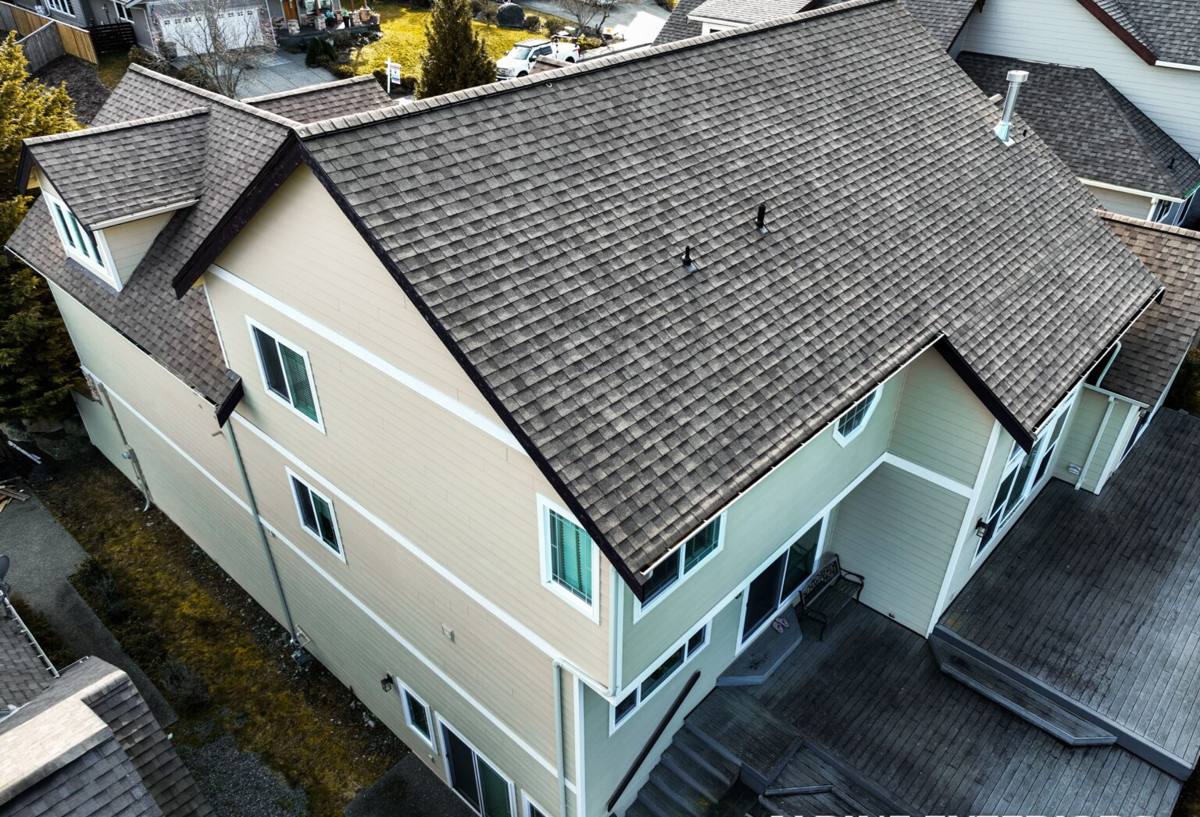
Capitol Hill has a mix of early-1900s craftsman and foursquare homes, older apartment buildings converted to condos, and infill construction from the last few decades sitting right next to it. That mix matters for window work because it means "standard size" often doesn't apply:
- Original openings on older homes were framed by hand and rarely match modern window manufacturers' stock sizes
- Additions and remodels over the years sometimes shifted rough openings out of square
- Older sash windows were built with wood profiles and trim details that off-the-shelf replacements don't match
- Multi-unit buildings often need windows that meet a consistent look across several units, not just one
Custom, in this context, means the window is built or selected to fit what's actually there — not that every job is a specialty design project. Sometimes it's a standard-quality window in a non-standard size. Sometimes it's matching a divided-lite pattern so a new window doesn't look out of place next to original ones on the same wall.
What Seattle's Climate Does to Windows Over Time
King County doesn't get extreme weather, but it gets persistent weather, and that's what wears windows down. A long stretch of driving rain, followed by damp, low-light months where surfaces barely get a chance to dry out, is harder on window assemblies than a handful of severe storms would be. Add the mild, moisture-heavy air that carries in off the Sound, and you get a slow, steady kind of deterioration rather than sudden failure.
On Capitol Hill specifically, we see a few patterns come up again and again:
Moss and Organic Growth on Frames and Sills
Seattle's long moss season isn't just a roof problem. Wood sills and frames on the shaded, north-facing side of a house collect moisture and organic debris, and moss takes hold in the same way it does on a roof edge. Once it's established, it holds water against the wood and accelerates rot — especially at corner joints and sill horns where water naturally collects.
Condensation Between Panes or on Interior Glass
Older single-pane windows and failed double-pane seals both show up as fogging or interior condensation once the wet season sets in. That moisture doesn't stay contained — it works into surrounding wood trim and drywall if it's not addressed.
Swollen or Sticking Sashes
Wood sashes absorb moisture unevenly through a rainy fall and winter, then dry out and shrink in summer. Over years, that cycle warps the wood enough that windows stop opening smoothly or stop sealing tightly when closed.
Failed Seals and Frame Gaps
Caulk and weatherstripping have a shorter service life here than in drier climates. Once a seal opens up, driving rain finds it, and what starts as a small draft becomes a slow water intrusion problem behind the trim.
Choosing the Right Window for an Older Capitol Hill Home
Not every home needs the same answer. The right approach depends on the age and condition of the existing window, whether the house has any historic character worth preserving, and what's actually failing.
| Situation | What We Typically Recommend | Why |
|---|---|---|
| Original wood windows, structurally sound, just drafty | Restoration with new weatherstripping and glazing, or a custom insert that preserves the original sash profile | Keeps the character intact; often more cost-effective than full replacement |
| Rotted sills or frames from moisture exposure | Full replacement with a custom-sized unit matching the opening | Rot doesn't stop on its own; patching a compromised frame just delays the next repair |
| Fogged or failed double-pane units | Sash or full unit replacement with new insulated glass | A failed seal can't be resealed — the moisture barrier is gone for good |
| Non-standard or irregular openings | Custom-built or special-order sizing | Off-the-shelf sizes force compromises in fit and sealing |
| Whole-house upgrade for efficiency | Coordinated replacement plan, room by room or in phases | Spreads cost over time while addressing the worst performers first |
Materials and Trade-Offs
Every material has a maintenance profile, and being upfront about that is part of doing this job honestly.
- Wood — matches historic character best and can be restored rather than replaced, but needs regular painting or finishing to keep moisture out, especially given how long our wet season runs
- Fiberglass — holds paint well, resists warping, and handles moisture cycling better than wood without the upkeep, generally at a higher upfront cost
- Vinyl — lower cost and low maintenance, but can look out of place on older character homes and has less design flexibility for custom profiles
- Clad wood (wood interior, metal or composite exterior) — a common middle ground: real wood look inside, weather-resistant exterior shell facing the rain
We don't push one material as the answer for every house. A craftsman with visible original trim gets a different recommendation than a 1990s infill building, and we'll tell you plainly which option fits your situation and budget rather than upselling the most expensive one by default.
Our Process on a Capitol Hill Job
- On-site assessment — we check the actual condition of frames, sills, and sashes, not just the glass, since rot and seal failure are often the real problem hiding behind a foggy window
- Accurate measurement — especially important on older homes where openings are rarely perfectly square or standard-sized
- Material and style selection — matched to the home's age, your budget, and how much of the existing character you want to preserve
- Weatherproofing detail work — proper flashing and sealing at the frame is what actually keeps driving rain out; the window unit itself is only half the job
- Installation — set plumb, level, and square, with attention to the same moisture points that caused problems in the first place
- Final check — operation, seal, and finish, walked through with you before we call it done
Energy Efficiency and Everyday Comfort
Old, leaky windows cost more than they look like they do. Drafts around a poorly sealed frame mean your heating system runs longer to compensate, and single-pane glass loses heat fast on the cold, damp evenings that make up most of a King County winter. A properly fitted and sealed window — whether that's a restored original or a new custom unit — cuts that loss significantly and makes rooms near the windows noticeably more comfortable, not just cheaper to heat.
A Note on Older Homes and Neighborhood Character
Some Capitol Hill properties sit in areas with design review considerations or are old enough that changes to visible exterior features can draw attention from neighbors or, in some cases, the city. We're not going to pretend to know the specifics of your property's status — that's worth confirming with Seattle's permitting resources if you're unsure. What we can do is match window profiles, muntin patterns, and trim details closely enough that a replacement doesn't stick out, which matters whether or not a formal review applies.
Signs It's Time to Call Someone
- Visible moss or dark staining building up on sills or frame corners
- Windows that stick, won't stay open, or don't latch tightly
- Fogging or moisture between panes that doesn't clear
- Drafts you can feel standing near the window on a windy day
- Soft or spongy wood when you press on the sill or lower frame
- Paint that's peeling or bubbling specifically around the window, not the rest of the wall
Any one of these on its own isn't an emergency. Several of them together, or wood that's actually gone soft, usually means the window is past the point where a repair buys much time.
Why Local Experience on Capitol Hill Matters
A crew that mostly installs standard-size vinyl replacements in newer suburban construction is going to be guessing on a lot of Capitol Hill jobs — non-standard openings, older wood trim, matching an existing sash pattern. We work in these neighborhoods regularly enough to know what the housing stock actually looks like underneath the paint, and we size and detail the work accordingly instead of forcing a standard product into a non-standard opening.
If you're dealing with a drafty window, a foggy pane, or sills that are starting to show wear, we're happy to take a look. Fill out the form below for a free, no-pressure estimate — we'll tell you honestly what we find and what your real options are.