 Seattle
 Capitol Hill's Climate Is Harder on Decks Than Most Homeowners Realize
Capitol Hill has some of the most desirable outdoor living space in Seattle — mature tree canopy, view potential toward downtown and the water on higher blocks, and a dense mix of century-old Craftsman bungalows, Victorian-era homes, and newer infill construction. But that same setting works against an outdoor deck. Big leaf maples and other mature street trees shade large sections of many yards for much of the year, which keeps decking wet longer after rain and creates the damp, low-airflow conditions moss and algae need to take hold. Add the long stretches of driving rain that define a Seattle winter and the general marine dampness that settles over King County for months at a time, and you have a climate that rewards decks built with drainage and material choice in mind — and punishes ones that weren't.
None of this means a deck on Capitol Hill has to be high-maintenance or short-lived. It means the build has to account for shade patterns, water shedding, and airflow from the design stage forward, not as an afterthought once moss or soft boards show up.
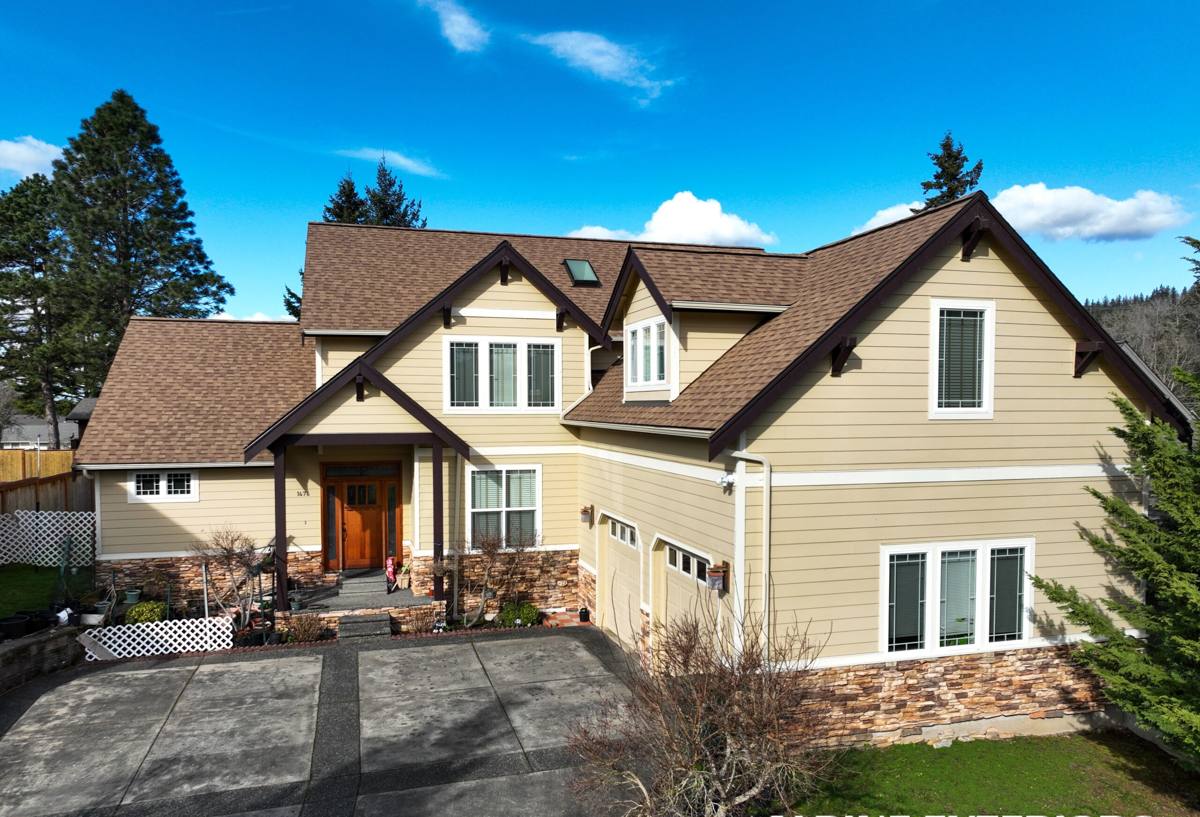
Where Capitol Hill Decks Actually Fail
We see the same handful of failure points repeatedly on older and poorly-built decks in this neighborhood:
- Ledger board rot — where the deck attaches to the house, water intrusion behind poor or missing flashing slowly rots the rim joist, often invisible until the deck feels spongy.
- Moss and algae buildup — shaded, low-airflow decking (common under tree canopy) stays damp long enough for organic growth to take hold, which makes boards slick and accelerates surface breakdown.
- Under-sized or corroding fasteners — hardware not rated for wet, high-tannin, or treated lumber corrodes and weakens over time, sometimes years before it's visually obvious.
- Poor drainage under the deck — standing water or trapped moisture beneath low decks accelerates post and beam decay from below, out of sight.
- End-grain and cut-edge exposure — factory-sealed edges get cut on site and never resealed, giving water a direct entry point into the board.
Every one of these is preventable. They're also the difference between a deck that needs real attention in 5-7 years and one that's still solid at 20-plus.
Decking Material Options for This Climate
There's no single "best" decking material — there's a best material for your budget, your yard's shade and drainage situation, and how much upkeep you actually want to do. Here's how the common options compare for a Capitol Hill lot:
| Material | Upfront Cost | Moisture & Moss Behavior | Maintenance |
|---|---|---|---|
| Pressure-treated wood | Lowest | Absorbs moisture readily; needs sealing to resist moss and checking | Annual or biannual cleaning and re-sealing |
| Cedar / natural wood | Moderate | Naturally rot-resistant but still absorbs water; grays and can host moss without upkeep | Periodic cleaning, staining or oiling |
| Composite decking | Higher | Sheds surface moisture well; can still grow surface algae if never cleaned, especially in deep shade | Occasional washing, no sealing or staining |
| PVC / capped composite | Highest | Best moisture resistance of the group; least hospitable surface for moss | Lowest — periodic rinsing |
For heavily shaded Capitol Hill yards, we lean toward composite or capped decking when budget allows, simply because the maintenance burden of keeping real wood moss-free under a tree canopy is significant. That said, plenty of homeowners here get decades out of a well-built and properly maintained wood deck — the framing and drainage underneath matter more than the surface material in the long run.
What We Won't Compromise On, Regardless of Material
Whatever decking surface you choose, the structure underneath needs to be built the same way: proper ledger flashing, joist tape or flashing on the framing to shed water before it reaches the wood, corrosion-resistant fasteners rated for the lumber and climate, and enough clearance and slope underneath for water to actually drain away instead of pooling. We treat these as non-negotiable on every deck we build, not upgrades you pay extra for.
Designing for Capitol Hill's Small Lots and Big Views
Capitol Hill's older residential blocks tend to have smaller, tighter yards than newer suburban construction, and many homes sit close to neighbors on either side. That shapes deck design in a few practical ways:
- Multi-level decks make sense on sloped lots common to the neighborhood, turning an awkward grade change into usable outdoor space instead of wasted yard.
- Privacy screening — slatted rail panels, strategic planters, or partial privacy walls — matters more here than in spread-out neighborhoods, since sightlines to and from neighboring homes are often close.
- Upper-level and rooftop decks can take advantage of Capitol Hill's elevation to capture downtown skyline or territorial views, but they require engineering for structural load, waterproofing where the deck sits over living space, and drainage that won't send water into the building below.
- Airflow-conscious layout — spacing and orientation that let a shaded deck actually dry out between rain events, rather than trapping moisture against a fence or the house.
Good deck design here is as much about working with a tight, shaded lot as it is about the finished look.
Permits and Code in Seattle
Most new decks and significant deck rebuilds in Seattle require a permit through the city, with requirements tied to deck height, size, and proximity to property lines — and Capitol Hill's mix of older platted lots and newer infill can make setback and lot-coverage questions more involved than they'd be on a standard suburban parcel. Decks attached to the house also need to meet current structural code for ledger attachment and railing height, regardless of what the previous deck looked like. We handle the permit process as part of the job — pulling the right permit, building to current code, and scheduling required inspections — so you're not left untangling City of Seattle requirements on your own.
How We Approach a Capitol Hill Deck Project
- On-site assessment — we look at sun and shade exposure, existing drainage, grade, and (for rebuilds) the condition of the ledger and framing before quoting anything.
- Design and material selection — sized to your lot, your budget, and how much upkeep you actually want long-term.
- Permitting — we handle the paperwork and scheduling with the city.
- Structural build-out — proper flashing, drainage, and fastener selection first; decking surface goes on last.
- Final walkthrough — we go over the finished deck with you, including what maintenance it does and doesn't need going forward.
We don't sell every job the same decking material or the same design — a deck that makes sense on a sunny, flat South Seattle lot often isn't the right call for a shaded, sloped Capitol Hill yard, and we say so upfront.
Maintaining a Deck Through Seattle's Moss Season
Even a well-built deck needs some seasonal attention in this climate, particularly in shaded yards where moss season stretches long. A simple annual routine keeps most decks in good shape:
- Sweep leaves and debris off the deck surface regularly through fall — trapped organic matter holds moisture and feeds moss growth.
- Clean the deck surface at least once a year (more often in heavy shade) to remove algae and moss before it gets a foothold.
- Check and clear drainage paths underneath the deck so water isn't pooling against posts or beams.
- Inspect fasteners and ledger flashing periodically for signs of rust, staining, or water intrusion.
- Re-seal or re-stain wood decking on the schedule appropriate to the product — don't wait until it's visibly gray and dry.
- Trim back overhanging branches where practical to improve airflow and sun exposure on the deck surface.
A deck that gets this basic attention will consistently outlast one that doesn't, regardless of what it's built from.
Why Local Experience on Capitol Hill Actually Matters
A deck built by a crew that hasn't worked this neighborhood tends to miss the details that matter here — sizing drainage for a shaded, tree-heavy lot, navigating Seattle's permit and setback requirements on tight urban parcels, and designing around the close sightlines of dense residential blocks. A crew that already works Capitol Hill and greater King County knows what the moss season does to an under-built deck by year three, and builds to avoid it from the start rather than treating it as a callback.
If you're planning a new deck or need an honest look at an existing one, we're happy to provide a free, no-pressure estimate — walk the site with you, talk through material and design options for your specific lot, and give you a straight answer on what it'll take to get it right. There's a form below to get started.