 Seattle
 Capitol Hill's Roofs Work Harder Than People Realize
Capitol Hill sits up on one of Seattle's hills, which means it catches wind and driving rain that lower, more sheltered blocks don't see as directly. Add in the marine, salt-tinged air that moves through the whole Puget Sound region and a wet season that can stretch for months, and you have a climate that's genuinely hard on a roof system. It's not dramatic weather in the way hail or heavy snow is dramatic — it's persistent, low-grade exposure that wears down materials, flashing, and fasteners year after year until a roof that looked fine on the surface starts failing underneath.
A new roof installation here isn't just about picking a shingle color. It's about building a system — decking, underlayment, flashing, ventilation, and the finish material — that's matched to King County's specific mix of rain volume, humidity, and moss pressure. Get any one of those layers wrong and the rest of the roof doesn't get a fair chance, no matter how good the shingles are.
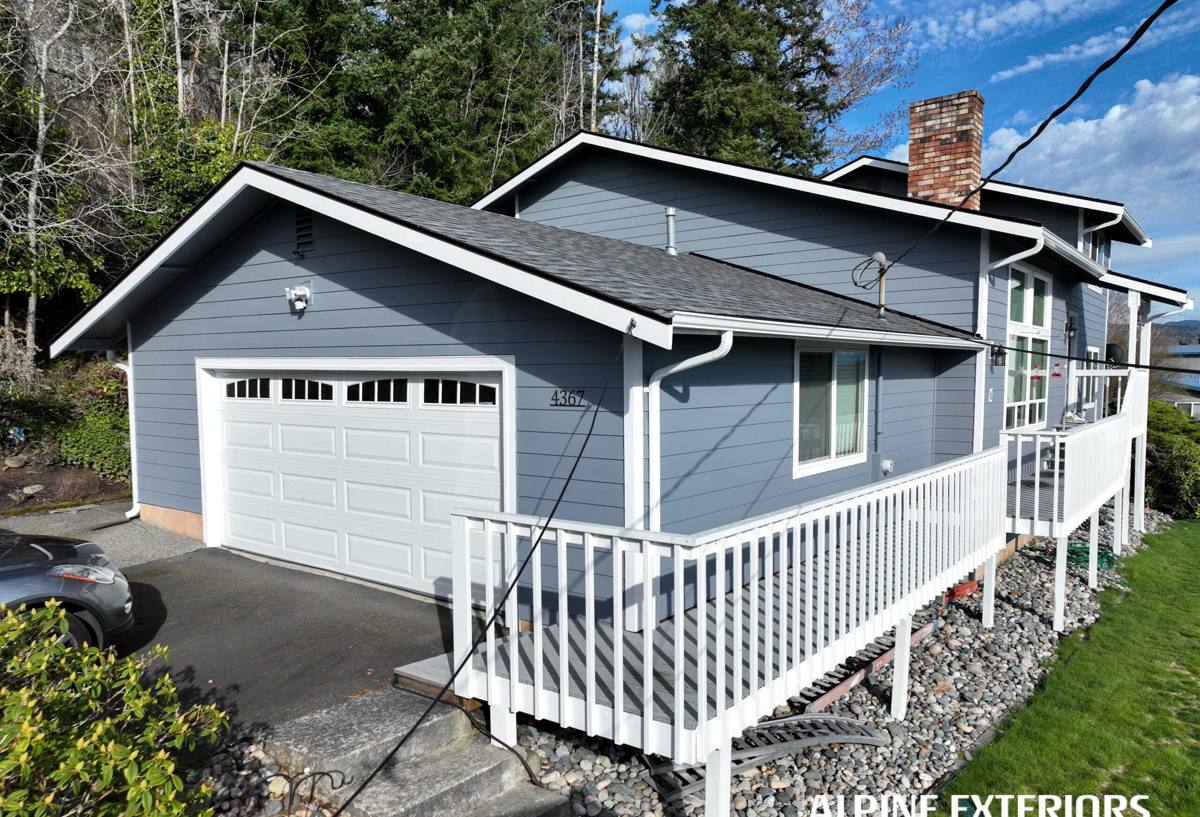
What Capitol Hill's Housing Stock Actually Needs
Capitol Hill is one of Seattle's older, denser neighborhoods, with a lot of Craftsman bungalows, older Victorians, and multi-family buildings sitting close together under a mature tree canopy. That combination shapes what a correct roof job looks like here:
- Steeper, more complex rooflines on many of the older single-family homes, with dormers, valleys, and multiple roof planes instead of one simple gable.
- Heavy tree cover that keeps roofs shaded and damp longer after a rain, which accelerates moss and algae growth compared to open, sunnier lots.
- Tight lot lines and limited access around many properties, which affects how material gets staged, how safely a crew can set up, and how debris gets managed and hauled off.
- Older decking and framing underneath the existing roof covering, which needs an honest inspection rather than an assumption that it's still sound.
None of this makes a Capitol Hill roof exotic — it just means the job needs to be planned around the actual house and the actual site, not a generic template.
What a Correct Roof Installation Actually Involves
Full Tear-Off and Deck Inspection
We don't install new roofing over old material. A full tear-off lets us see the actual condition of the roof deck — plywood or plank sheathing that may be decades old on many Capitol Hill homes. Soft, delaminated, or water-stained decking gets replaced before anything new goes down. Skipping this step is one of the most common ways a "new roof" ends up with problems within a few years.
Underlayment and Moisture Barrier
Given how much rain King County sees, the underlayment layer matters as much as the visible roofing material. Self-adhered ice-and-water barrier goes in at eaves, valleys, and other vulnerable areas, with synthetic underlayment across the rest of the deck. This layer is what protects the house if wind-driven rain ever gets past the surface material.
Flashing at Every Transition
Chimneys, skylights, dormers, sidewalls, and roof-to-wall transitions are where most leaks actually start — not in the open field of shingles. Correct flashing means new metal, properly lapped and sealed, at every one of these points, not a bead of caulk over old flashing to save time.
Ventilation That Matches the Climate
Attic ventilation controls moisture buildup and temperature swings that shorten a roof's life. In a wet climate like Seattle's, a poorly vented attic can trap humidity that leads to rot, mold, and premature aging of the new roof from underneath — a problem you won't see until it's already serious.
Material Options for Capitol Hill Homes
There's no single "right" material for every house — it depends on roof pitch, budget, the look of the home, and how much long-term maintenance an owner wants to take on. Here's how the common options compare for a home in this climate:
| Material | Typical Lifespan | Moss/Moisture Behavior | Maintenance |
|---|---|---|---|
| Architectural asphalt shingle | 25–30 years | Good with proper ventilation and periodic cleaning | Low to moderate |
| Standard 3-tab shingle | 15–20 years | More prone to moss retention in shaded areas | Moderate |
| Standing seam metal | 40–50+ years | Sheds moisture fast, resists moss growth well | Low |
| Cedar shake | 20–30 years with care | Attractive but needs active moss/moisture management | High |
We're upfront about trade-offs rather than steering everyone toward the highest-margin option. Cedar can look great on the right older home, but it demands real upkeep in a climate this wet, and we'll say so before you commit to it. Metal costs more upfront but asks the least of you over time. Architectural shingle is the middle ground most homeowners land on, and it performs well here when it's installed correctly.
Moss, Algae, and Seattle's Long Wet Season
Moss isn't just cosmetic — it holds moisture against the roof surface, works into shingle layers over time, and can lift edges enough for water to get underneath. Under a tree canopy like Capitol Hill's, shaded roof sections stay damp longer after every rain, which is exactly what moss needs to establish itself.
A few things make a real difference during and after installation:
- Zinc or copper strips near the ridge, which release trace amounts of metal ions that inhibit moss growth on the roof plane below them.
- Good attic ventilation, which reduces the temperature differential that can encourage condensation and moisture retention.
- Keeping gutters and valleys clear, since trapped debris holds water and gives moss a foothold even on an otherwise healthy roof.
- Trimming overhanging branches where practical, to cut down on shade and falling debris over the roof surface.
None of this eliminates moss entirely in a climate this wet — but it slows it down significantly and buys years of extra life out of the roof.
How Our Installation Process Works
- On-site inspection and honest assessment of the current roof, decking condition, ventilation, and any problem areas specific to your house.
- Written estimate that spells out material choice, scope of work, and timeline — no vague allowances or surprise add-ons later.
- Site setup planned around access constraints common on tighter Capitol Hill lots, including material staging and debris containment.
- Full tear-off of the existing roof down to the deck, with disposal handled as part of the job.
- Deck repair or replacement of any compromised sheathing found during tear-off, documented before we cover it up.
- Underlayment, flashing, and ventilation installed to current code and manufacturer specification.
- Finish material installation, followed by a final walkthrough so you can see the completed work and ask questions before we consider the job done.
Permits, Access, and Working in a Dense Neighborhood
Reroofing in Seattle typically requires a permit, and King County jurisdictions have specific requirements around ventilation and, in some cases, historic character where applicable. A crew that regularly works Capitol Hill already knows how to navigate this rather than treating it as a first-time learning curve on your project.
Access matters just as much. Narrow lots, shared driveways, and street parking are common realities on the Hill, and a dumpster or material delivery that isn't planned properly can turn into a headache for you and your neighbors. Part of doing this job right is figuring that logistics piece out before the crew shows up, not during.
Checklist: What to Ask Before You Hire a Roofing Contractor
- Are you licensed and insured to work in Washington State, and can you provide proof?
- Will you do a full tear-off, or are you proposing to install over the existing roof?
- What happens if the deck inspection turns up rot or damage — how is that priced and communicated?
- What underlayment and ice-and-water barrier products are included, and where specifically will they be used?
- How is attic ventilation being addressed as part of this job, not just the shingles themselves?
- What's the manufacturer warranty versus your workmanship warranty, and what's the difference?
- How will you handle site access, parking, and debris removal on a tighter urban lot?
Why Local Experience on Capitol Hill Matters
A roof installed by a crew that already understands Capitol Hill's older housing stock, tighter lots, tree cover, and King County permitting isn't guessing its way through your project. It's applying lessons learned on homes just like yours, in the same climate, dealing with the same rain and moss pressure your roof will face for the next several decades. That familiarity shows up in the details — flashing that's cut right the first time, ventilation that's sized correctly, and a crew that plans around your street instead of being surprised by it.
If you're weighing a new roof for your Capitol Hill home, we're happy to take a look and give you a straightforward, no-pressure estimate — just fill out the form below and we'll get in touch.